CASAFARI’s present all around Poland
Get to know the most desirable locations.
As Central Europe’s largest residential market, Poland is home to roughly 38.8 million actual residents according to end-2025 Statistics Poland (GUS) registry data. After years of rapid expansion, the housing sector entered nominal stabilisation in early 2026. Non-EU buyers can purchase self-contained residential apartments outside border zones without a government permit, while clear flat-rate rental taxes and new short-term rental rules offer a structured environment for international investors.
Why is Poland a core Central European market for property buyers and investors?
Poland remains the central investment destination in Central and Eastern Europe, supported by robust urbanisation and sustained wage growth. While official civil registries recorded a population of 37,243,000 citizens in June 2026, experimental resident-trace research published by Statistics Poland (GUS) using PESEL registries placed the actual resident population at approximately 38.8 million at the end of 2025, as reported by the Statistics Poland (GUS) 2026 demographic and urban population data.
This population is increasingly concentrated in major economic hubs. Warsaw leads with over 2.07 million actual residents, followed by Kraków with roughly 897,000 and Wrocław with around 788,000.
In terms of market dynamics, the proposed ‘#naStart’ (and ‘Pierwsze Klucze’) subsidized mortgage scheme was officially withdrawn from the government’s legislative agenda in 2025–2026 and did not enter into force. Consequently, demand is driven by organic market fundamentals, state-backed down-payment guarantees under the Rodzinny Kredyt Mieszkaniowy programme, savings accounts under Konto Mieszkaniowe, and private institutional capital.
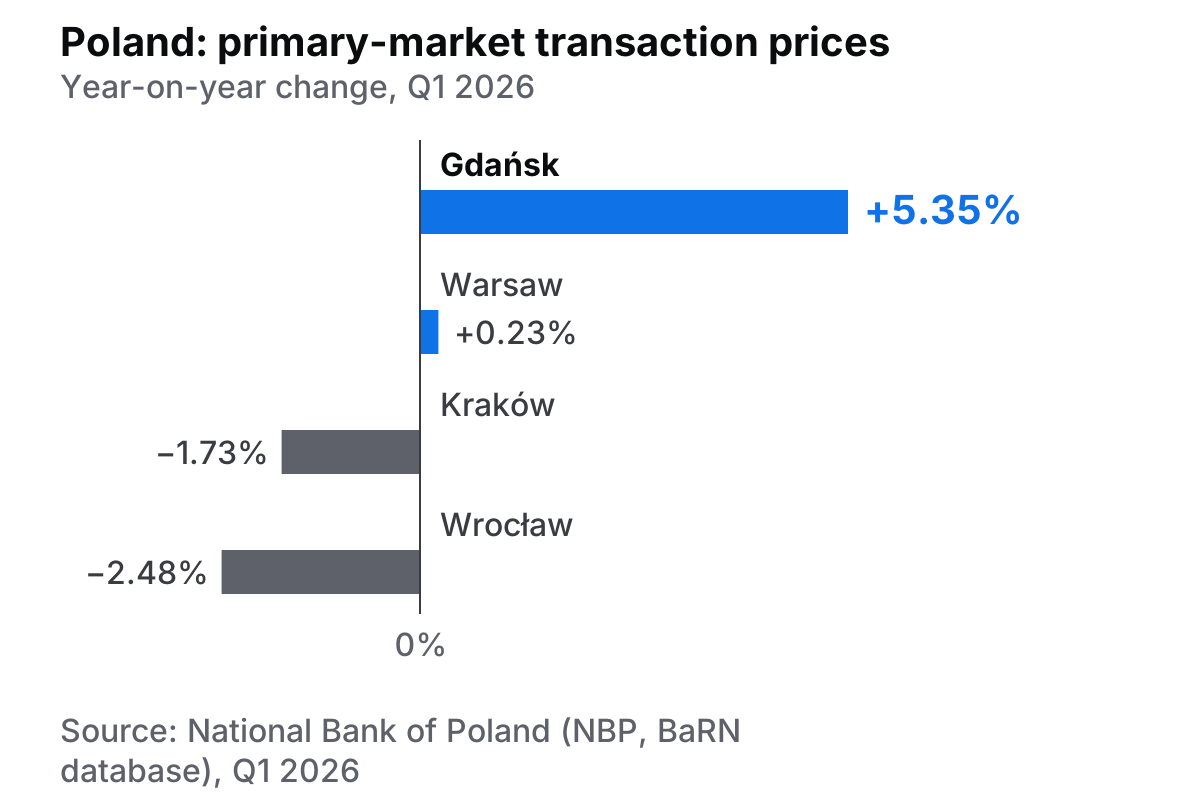
According to the National Bank of Poland (NBP) Q1 2026 housing price report, average primary-market transaction prices shifted from double-digit annual increases to nominal stabilisation across major metropolitan areas in early 2026.
Where are the main property hubs: Warsaw, Kraków, Wrocław and Gdańsk?
Investors evaluating Polish urban centers can refer to the live asking price ticker on this page for real-time market data, district-level benchmarks, and localized inventory powered by CASAFARI Area Insights. Macroeconomic figures from the National Bank of Poland (NBP) show distinct regional performances across the primary market:
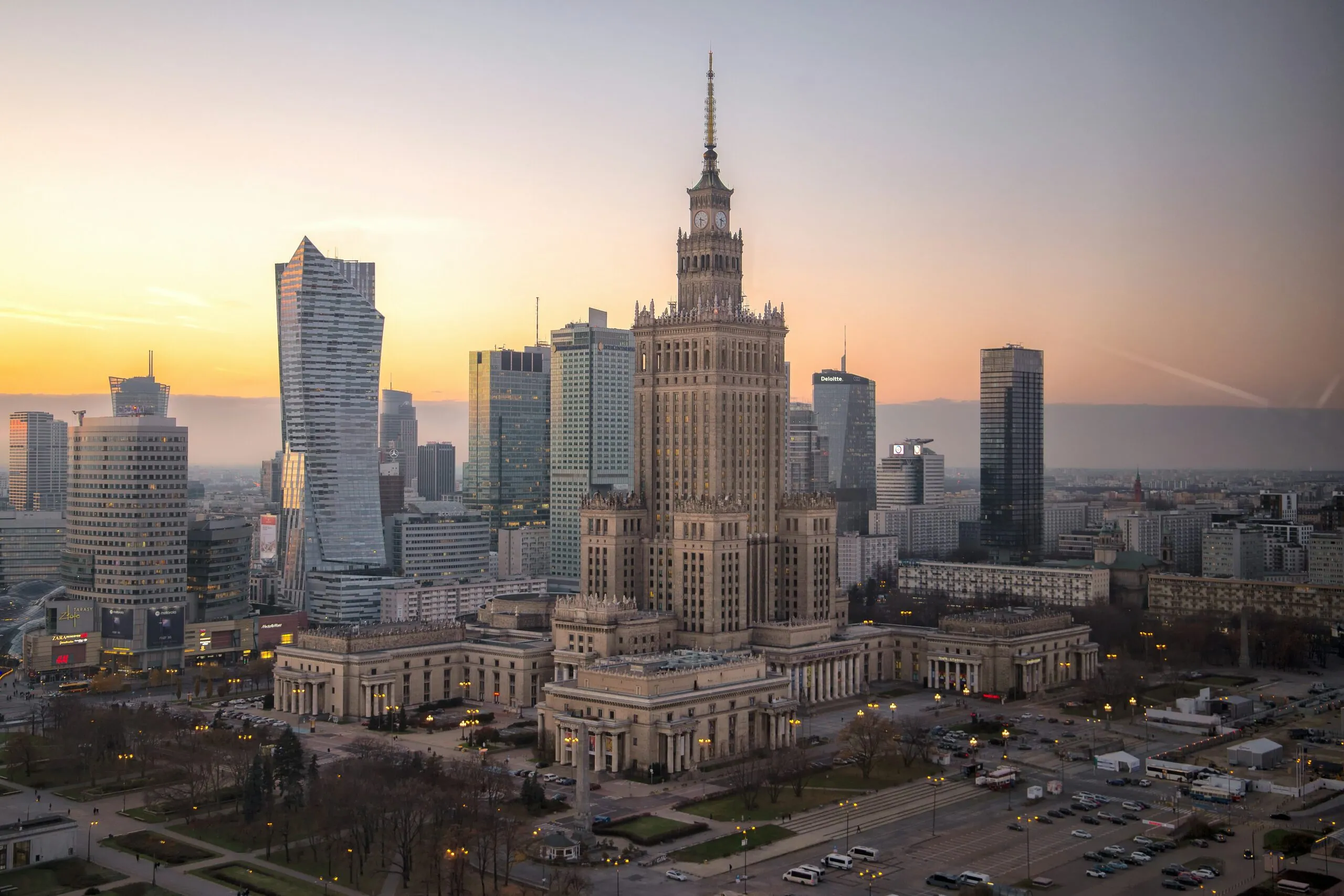
- Warsaw: As the nation’s commercial and financial centre, Warsaw recorded a modest +0.23% year-on-year primary-market transaction price change in Q1 2026 (NBP). The capital’s residential demand is reinforced by ongoing corporate relocations and major infrastructure additions in western districts.
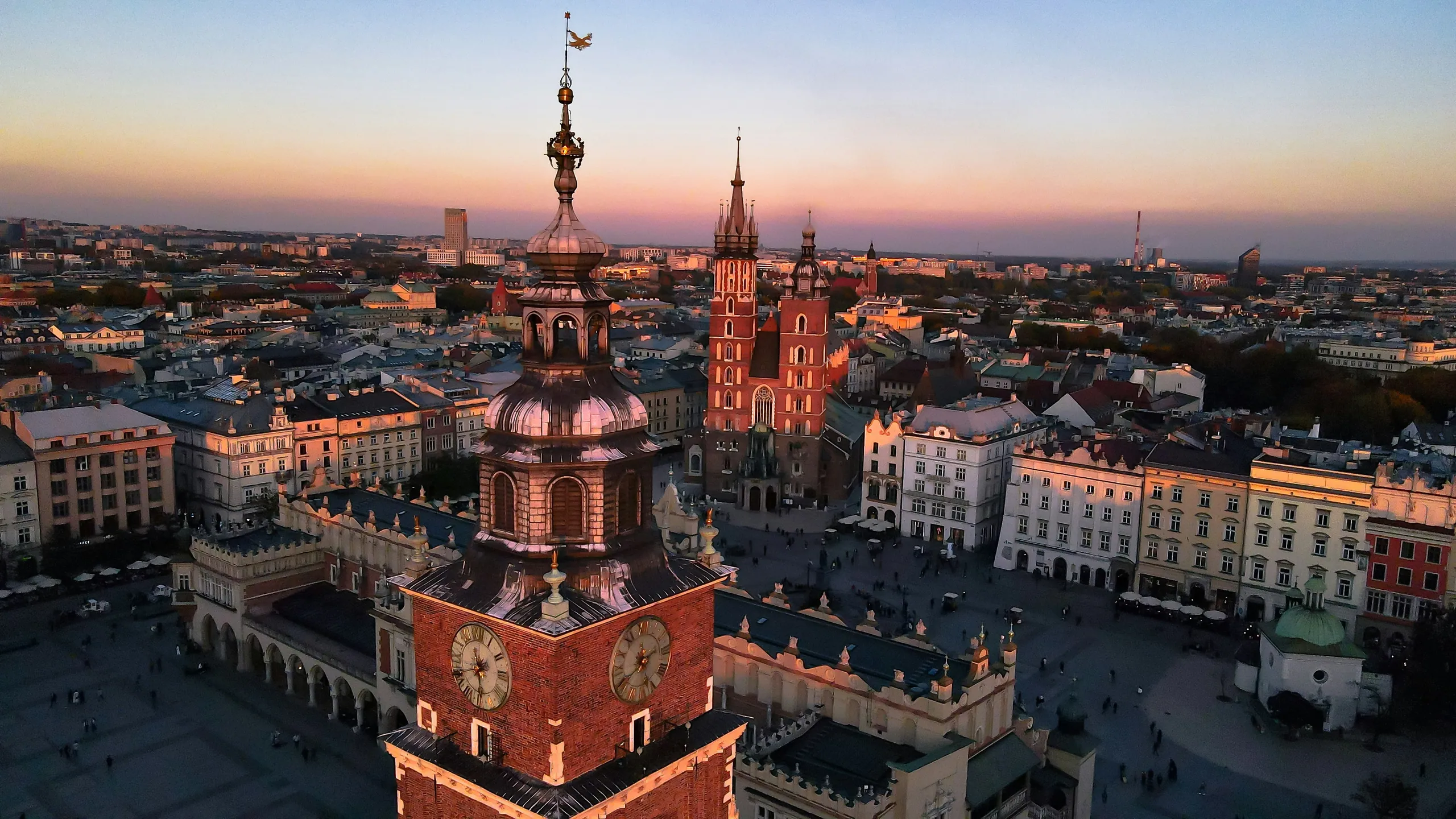
- Kraków: Poland’s principal cultural and technology hub experienced a minor nominal transaction price adjustment of -1.73% YoY in Q1 2026 (NBP), following years of intensive capital growth.
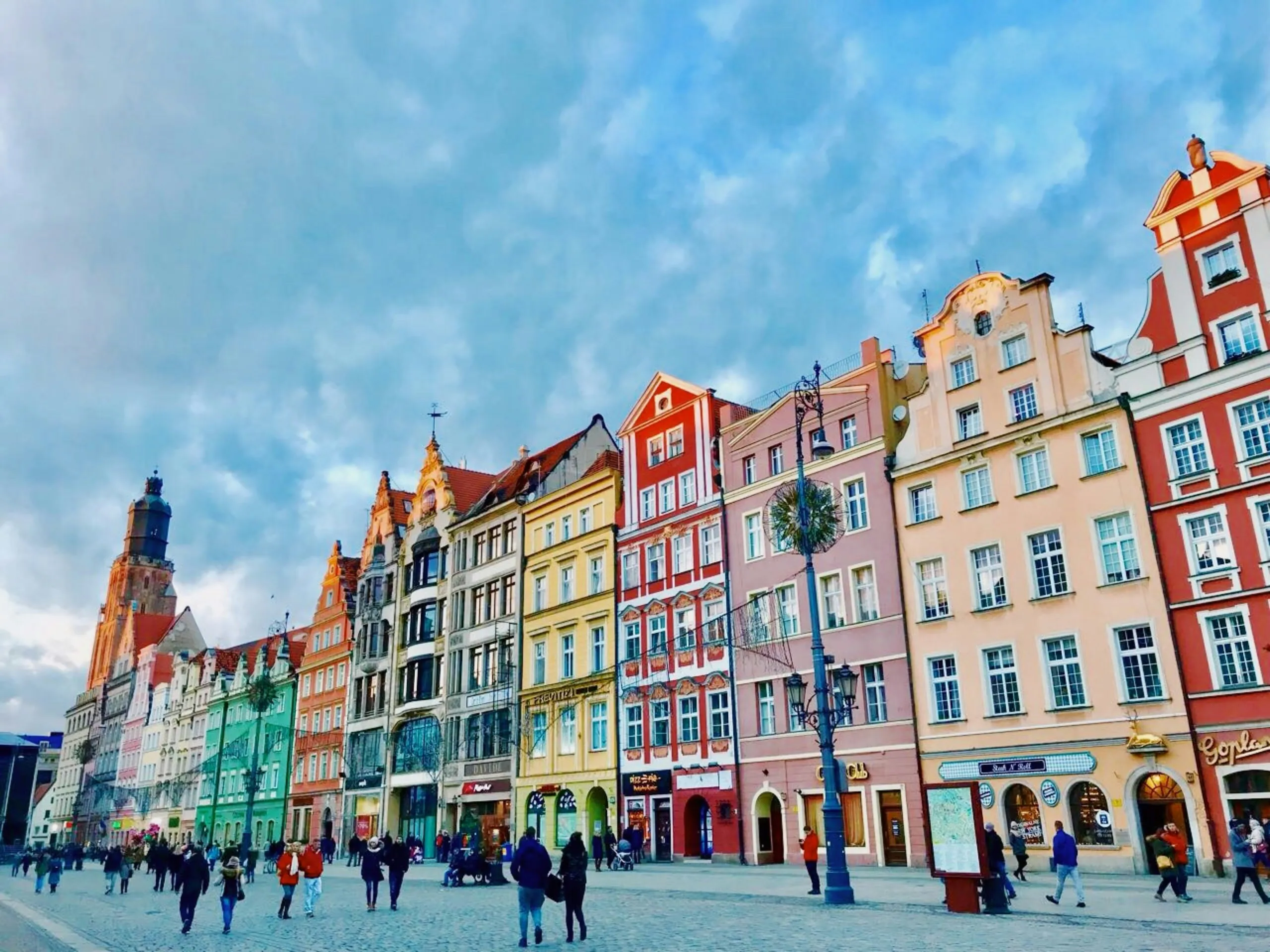
- Wrocław: Supported by a large student population and expanding IT sector, Wrocław saw primary-market transaction prices adjust by -2.48% YoY in Q1 2026 (NBP).
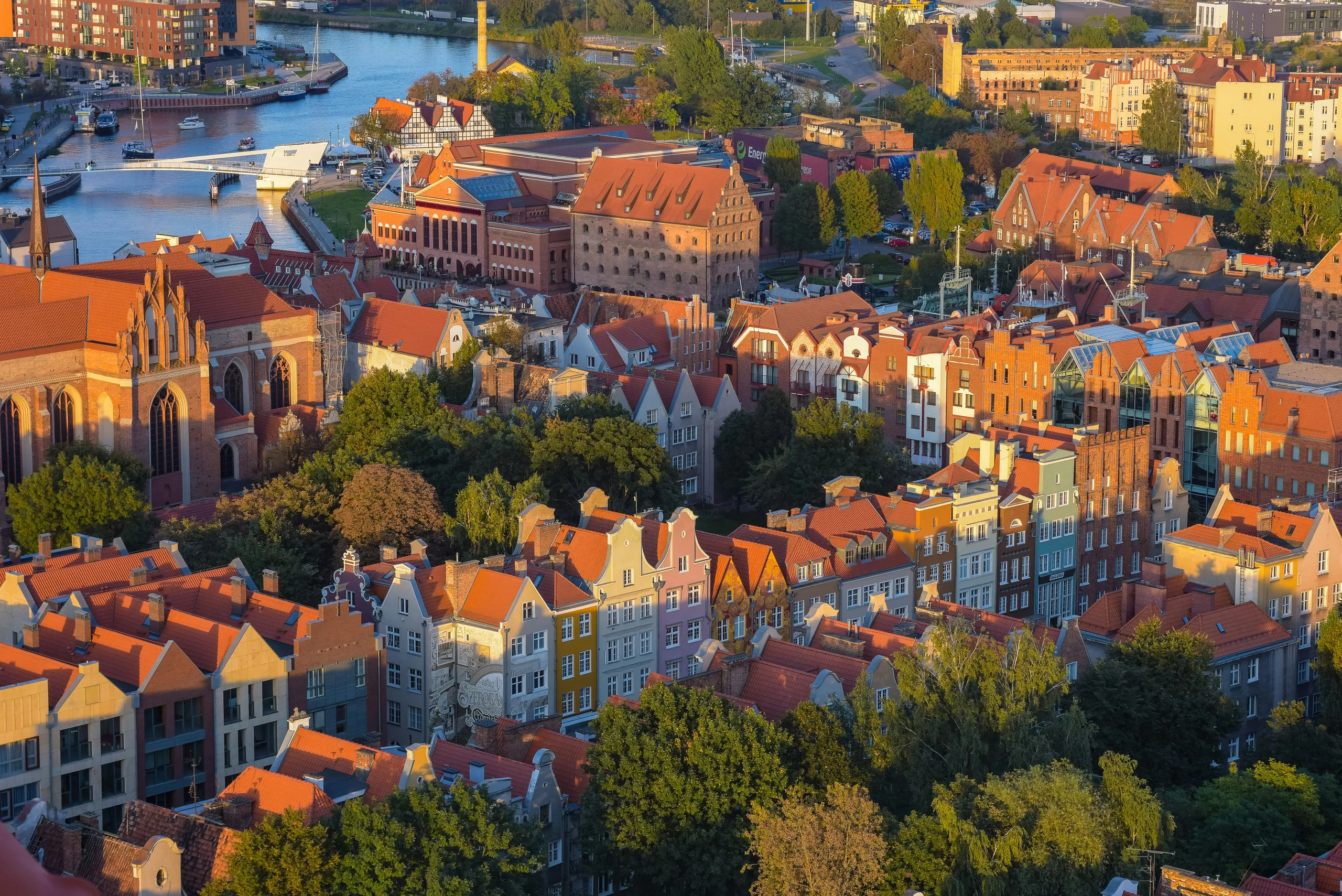
- Gdańsk and the Tricity: Defying the nationwide plateau, Gdańsk posted a +5.35% YoY transaction price increase in Q1 2026 (NBP). The Baltic port city benefits from persistent domestic migration, active port commerce, and year-round tourism.
To evaluate individual asset valuations against historical transaction trends, agents and institutional buyers frequently employ a comprehensive property valuation and market study alongside cross-portal Property Sourcing.
How are new transport links reshaping Polish real estate corridors?
Transport infrastructure projects are modifying urban accessibility and driving long-term value in suburban residential corridors. In Warsaw, municipal transit expansion reaches a key milestone in late 2026 with final testing and handover of the three westernmost Metro Line M2 stations in Bemowo: Lazurowa, Chrzanów, and Karolin. Meanwhile, pre-design tenders are underway to extend Line M2 toward Ursus, and initial design work progresses for Stage I of Metro Line M3 (connecting Stadion Narodowy to Gocław), scheduled to begin construction in 2028.
At the national scale, Poland is advancing its high-speed rail network (Kolej Dużych Prędkości or KDP), known as the ‘Y’ line. Designed for operating speeds of up to 350 km/h, the line will connect Warsaw, Central Communication Port (CPK / Port Polska), Łódź, Poznań, and Wrocław.
In 2026, competitive dialogue tenders commenced for initial construction packages, and in September 2026, the Mazovian Voivode issued a location permit for a nearly 9-kilometre high-speed rail tunnel beneath western Warsaw. Real estate professionals monitoring corridor shifts can review property market trends and tools in Poland to identify emerging investment pockets ahead of station completions.
What are the legal rules for foreign buyers and short-term rentals in Poland?
Foreign property acquisitions in Poland are governed by the Act of 24 March 1920 on the Acquisition of Real Estate by Foreigners. Citizens and legal entities from the EU, EEA, and Switzerland face no foreign ownership restrictions and purchase real estate under the same conditions as Polish nationals.
For non-EU, non-EEA, and non-Swiss citizens (including British and American nationals), the legal requirement depends on the specific property type:
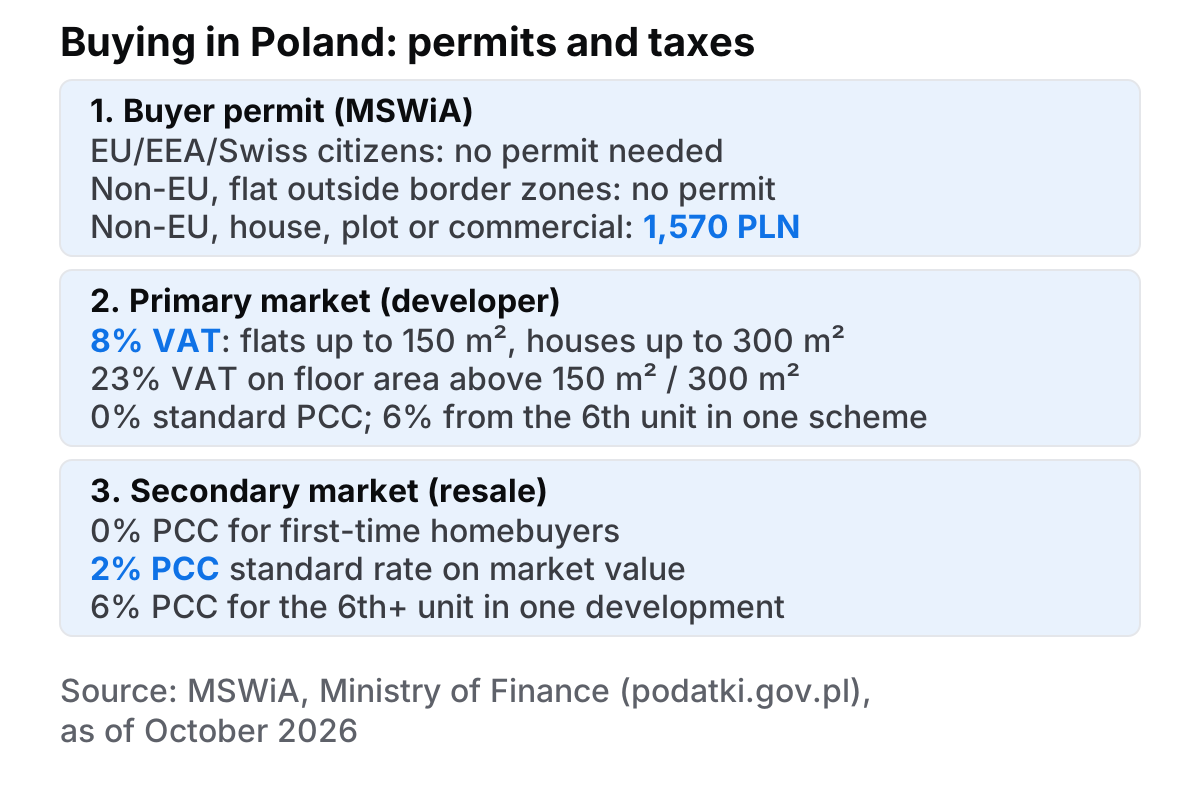
- Self-Contained Apartments: Non-EU individuals can buy a self-contained residential apartment (samodzielny lokal mieszkalny) along with an associated garage space or shared area without any ministry permit, provided the property is not located within a designated border zone.
- Houses, Land, and Commercial Units: Purchasing a single-family house, a plot of land, or commercial premises requires a formal permit from the Minister of the Interior and Administration (MSWiA). The statutory application fee is 1,570 PLN, processed electronically via the government’s e-Doręczenia portal.
Details on administrative applications are outlined directly in the Ministry of the Interior and Administration (MSWiA) permit rules for foreign buyers.
In October 2026, the Polish Sejm passed amendments to the Act on Hotel Services to implement EU Regulation 2024/1028 (which applied across member states from 20 May 2026). The law created the Central Register of Tourist Accommodation Facilities (Centralny Wykaz Obiektów Świadczących Usługi Hotelarskie - CWTON).
Under this legislation, short-term rental operators must obtain and display an individual registration number on all online booking portals. Operating without registration incurs administrative fines, while local municipalities, housing communities (wspólnoty mieszkaniowe), and housing cooperatives hold inspection powers to enforce local compliance. Full legislative details are published in the October 2026 short-term rental legislation (CWTON) from the Ministry of Sport and Tourism.
Which taxes, notary fees and closing costs apply in 2026?
Property transaction costs in Poland depend on whether the purchase is on the secondary market (rynek wtórny) or primary market (rynek pierwotny):
| Cost Category | Secondary Market (Resale) | Primary Market (Developer) |
|---|---|---|
| Transfer Tax (PCC) | 2% standard rate (0% for first-time buyers; 6% for 6th+ unit in one development) | Exempt from standard 2% PCC (6% PCC applies on 6th+ unit) |
| Value Added Tax (VAT) | Exempt | 8% (flats ≤150 m², houses ≤300 m²); 23% on excess area |
| Notary Fees (taksa) | Capped at 50% of statutory base rate (+23% VAT) | Capped at 50% of statutory base rate (+23% VAT) |
| Court Registry Fees | 200 PLN ownership entry; 200 PLN mortgage entry | 200 PLN ownership entry; 100 PLN new register |
For secondary market transactions, the buyer pays a 2% Civil Law Transactions Tax (Podatek od czynności cywilnoprawnych - PCC) based on market value. Individuals buying their first residential property are exempt (0% PCC). However, buyers acquiring a sixth or subsequent residential apartment within the same building or land development must pay a 6% PCC rate—a measure intended to discourage speculative residential aggregation.
On the primary market, purchases from developers are subject to VAT included in the gross purchase price, exempting the buyer from standard 2% PCC. A reduced 8% VAT rate applies to residential flats up to 150 m² and single-family houses up to 300 m². Floor space exceeding these limits is taxed at the standard 23% VAT rate.
Notary fees (taksa notarialna) for residential properties are capped at 50% of the statutory base scale, plus 23% VAT and deed extract fees (6 PLN net per page). In November 2026, a Ministry of Justice amendment increased the maximum statutory fee cap for property transactions exceeding 2,000,000 PLN from 10,000 PLN to 25,000 PLN. Fixed court charges for the land and mortgage register (księga wieczysta) remain set at 200 PLN for ownership registration, 200 PLN for mortgage entry, and 100 PLN to establish a new register.
Private landlords who let property outside a registered business pay tax exclusively through a flat-rate tax on recorded revenue (ryczałt od przychodów ewidencjonowanych). According to the Ministry of Finance guidelines on private rental taxation, the rate is 8.5% on annual rental income up to 100,000 PLN, and 12.5% on income exceeding 100,000 PLN. Married couples holding joint marital property benefit from a combined 200,000 PLN annual threshold before the 12.5% rate applies.
To search listings and analyze real-time market trends across Polish cities, sign in to the CASAFARI platform.
Frequently asked questions
Do non-EU citizens need a permit to buy an apartment in Poland?
Under the Act of 24 March 1920, buyers from outside the EU, EEA, and Switzerland (such as UK or US citizens) do not need a permit to purchase a self-contained residential apartment and an accompanying garage, provided the property is not located in a designated border zone. However, purchasing a single-family house, a plot of land, or commercial premises requires a formal permit from the Minister of the Interior and Administration (MSWiA), which carries a 1,570 PLN stamp duty fee.
What is the property transfer tax (PCC) in Poland in 2026?
On the secondary market, buyers pay a 2% Civil Law Transactions Tax (PCC) on the property’s market value, though first-time homebuyers purchasing their primary residence pay 0% PCC. Conversely, buyers purchasing a sixth or subsequent residential unit in a single development face a 6% PCC rate. On the primary market, purchases from developers include VAT (8% for flats up to 150 m² and 23% on excess area) and are exempt from standard 2% PCC.
How is private rental income taxed in Poland?
Private rental income earned outside a registered commercial business is taxed exclusively through a flat-rate tax on gross registered revenue (ryczałt). Landlords pay 8.5% on annual rental revenue up to 100,000 PLN and 12.5% on any amount exceeding that threshold. Married couples who hold joint marital property share a combined annual 8.5% threshold of 200,000 PLN.
What are the new rules for short-term rentals in Poland?
Following EU Regulation 2024/1028 and Poland’s October 2026 amendments to the Act on Hotel Services, all short-term rental properties must be registered in the Central Register of Tourist Accommodation Facilities (CWTON). Hosts must display their unique registration number on booking portals or face administrative fines. Municipalities, housing communities, and cooperatives also hold statutory inspection powers to ensure building compliance.