
Exploring Real Estate in Poland: Trends, Benefits and Tools

The Polish real estate market is growing rapidly, driven by strong urban and suburban demand across major hubs like Warsaw, Krakow, and Wrocław. Investors benefit from straightforward, notary-certified purchasing processes for both EU and non-EU citizens. To navigate this landscape, property data APIs and AI analytics tools from CASAFARI provide real-time market analysis, reliable valuations, and tracking across asking and closing prices.
What are the main highlights of the Polish property market?
- The Polish real estate market is dynamic, with major cities like Warsaw, Krakow, and Wrocław leading the growth.
- Strong demand and a favourable economic climate offer great investment stability and attractive returns for investors.
- Poland real estate is accessible to foreign buyers, with simple rules for EU citizens and straightforward processes for non-residents.
- The home buying process is clear, involving a notary and minimal paperwork, making investment relatively easy.
- Technology is transforming the market, with AI tools and proptech solutions helping investors make smarter decisions.
- CASAFARI’s platform provide essential real estate data through API, offering deep market insights.
Key Trends in the Polish Real Estate Market
The Polish housing market is currently defined by several key real estate trends that reflect its economic and social shifts. Let’s explore them in detail.
Rising Property Demand and Market Growth
One of the most significant trends is the rising property demand across Poland’s real estate market, which has directly led to impressive growth. The housing market has seen a continuous increase in asking and closing prices, while transaction volumes remain high, particularly for apartment sales in major cities.
The climb in average property asking prices in key urban centres like Warsaw and Krakow reflects strong demand. This growth makes the Polish market an attractive option for those looking to invest in a developing and profitable real estate sector.
Shifts in Housing Preferences
There has been a noticeable shift in preferences for real estate in Poland. While urban housing in the city center remains popular, there is a growing interest in suburban housing, partly due to the post-pandemic desire for more space and a better quality of life.
The housing saturation index in crowded city centers also has pushed people to look toward the outskirts. This shift is supported by ongoing infrastructure development, including improved transport links that connect suburbs to urban hubs.
This is creating new investment opportunities and stimulating development in previously overlooked areas, expanding the landscape of the Polish real estate market.
Impact of Technology
Technology and digitalization are profoundly reshaping the real estate sector in Poland, introducing innovative solutions that streamline processes for buyers, sellers, and any real estate agency.
From virtual property tours to online document signing, technology is making transactions more efficient, transparent and accessible. Furthermore, AI tools are empowering professionals with data-driven insights, helping them understand market dynamics and make smarter investment choices, driving the market’s current evolution.
Some of the key technological advancements include:
- Smart Buildings: New constructions increasingly feature home automation and automated energy management systems.
- AI Data Integration: Platforms that use an API for real estate are providing professionals with comprehensive market data.
- Remote Transactions: The ability to conduct viewings and sign agreements remotely has become a standard practice.
Advantages of Investing in Poland’s Real Estate
The country’s strong economic performance and political stability create a secure environment for investing in Poland’s real estate market. The Polish market offers a unique combination of high returns and long-term investment stability that is hard to find elsewhere in Europe.

Strong Returns and Investment Stability
The rate of growth of Poland real estate has been consistently positive, providing investors with solid capital gains.
In major cities, investors can achieve strong rental returns, with rental yields across European cities showing Poland performs significantly higher than many Western European markets. This combination of rising asking prices and solid rental income makes for a powerful investment case.
The average asking price per square metre is still competitive compared to other countries in Europe, granting a balance of affordability and high return potential that ensures investment stability.
Favourable Economic Climate for Investors in the Real Estate Market
The favourable economic climate in Poland is a cornerstone of its attractive real estate market. The country has demonstrated consistent economic growth, often outpacing the European average. This strong foundation provides a stable backdrop for real estate investment.
Moreover, government policies are designed to encourage investment. Low tax rates on rental income and the absence of a property wealth tax make rental investments particularly appealing. While interest rates have fluctuated, they are stabilizing, and public initiatives continue to support the housing sector.
Key factors contributing to this climate include:
- Infrastructure Development: Major projects in transport and business zones stimulate demand and property values.
- Government Support: Programmes like the “First Home” initiative help sustain demand and market activity.
- Economic Stability: Poland’s resilient economy draws international capital and boosts investor confidence.
Flexibility for Foreign and Local Buyers
Poland offers remarkable flexibility for foreign buyers, making it one of the more accessible European markets for non-residents. The legal requirements are straightforward, especially for citizens of the European Union and for non-EU citizens, the process is also quite simple.
Step-by-Step to Buying Property in Poland
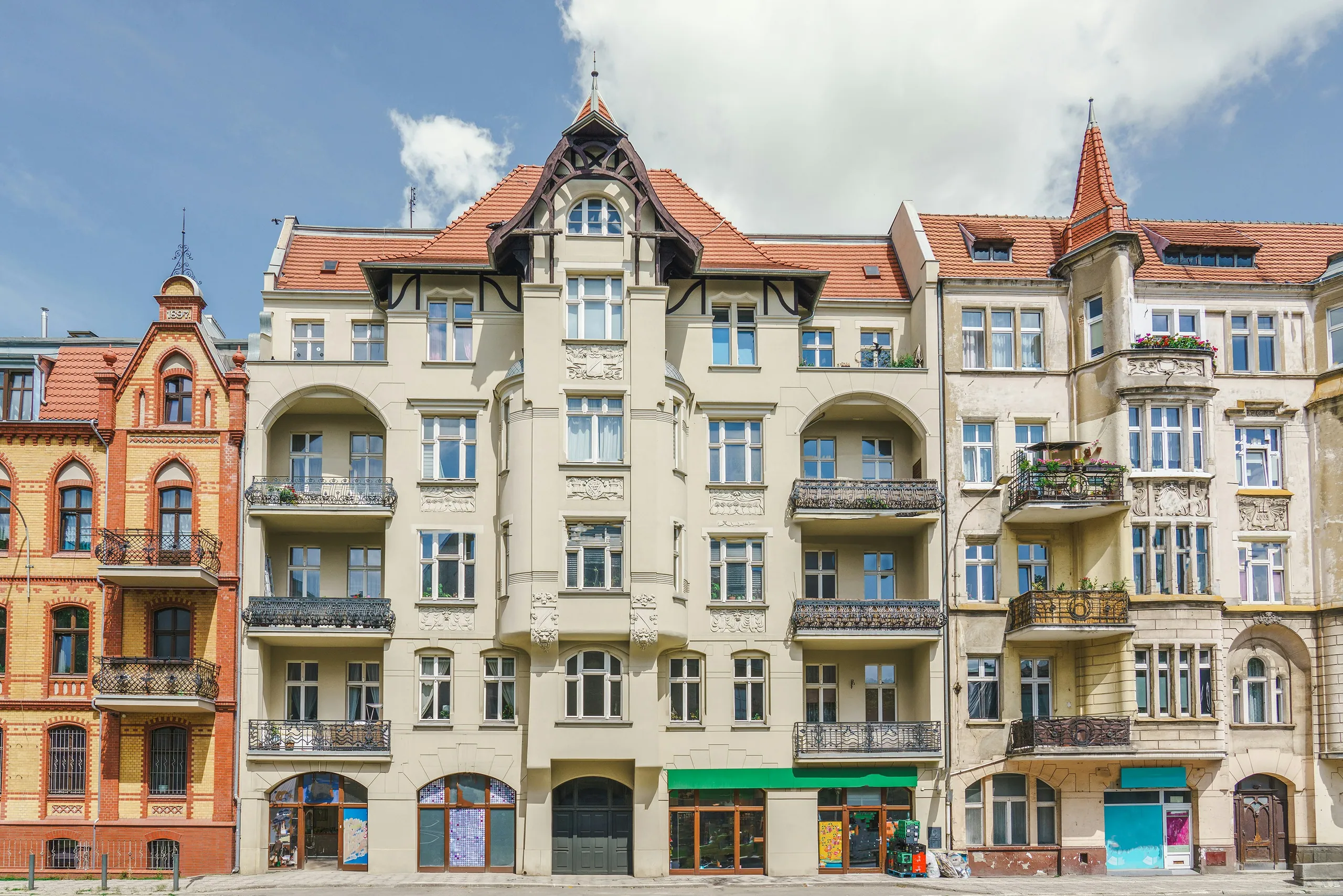
Navigating the home buying process in a foreign country can seem daunting, but buying property in Poland is a clear and structured procedure. The system is designed to be secure and transparent, with a central role played by a public notary to ensure legalities are met.
With the help of a local real estate agency to navigate the paperwork, foreign investors can confidently enter the Polish market and take advantage of its many opportunities.
Legal Requirements and Restrictions for Non-Residents
The legal requirements for non-residents interested in a property purchase in Poland vary based on their citizenship and the type of property. Regardless of your origin, a valid passport is the primary identification document needed for the transaction, especially for buying an apartment. However, for buying a house or a plot of land, non-EU citizens need to obtain a permit from the Ministry of the Interior.
The Home Buying Process Explained
After finding a property and agreeing on a price, you’ll sign a preliminary agreement and then the final deed at the notary’s, who certifies the ownership agreement by law. If you don’t speak Polish, a sworn translator will be present to ensure you understand everything.
When considering financing, be aware that banks have stricter requirements for foreigners, but obtaining a mortgage is possible. The overall cost includes the property price, notary fees, and applicable transfer taxes on secondary market purchases.
Key steps in the process include:
- Document Preparation: You will need to present your passport and a permit, if applicable.
- Notary Appointment: The transaction is legally certified and registered by a notary.
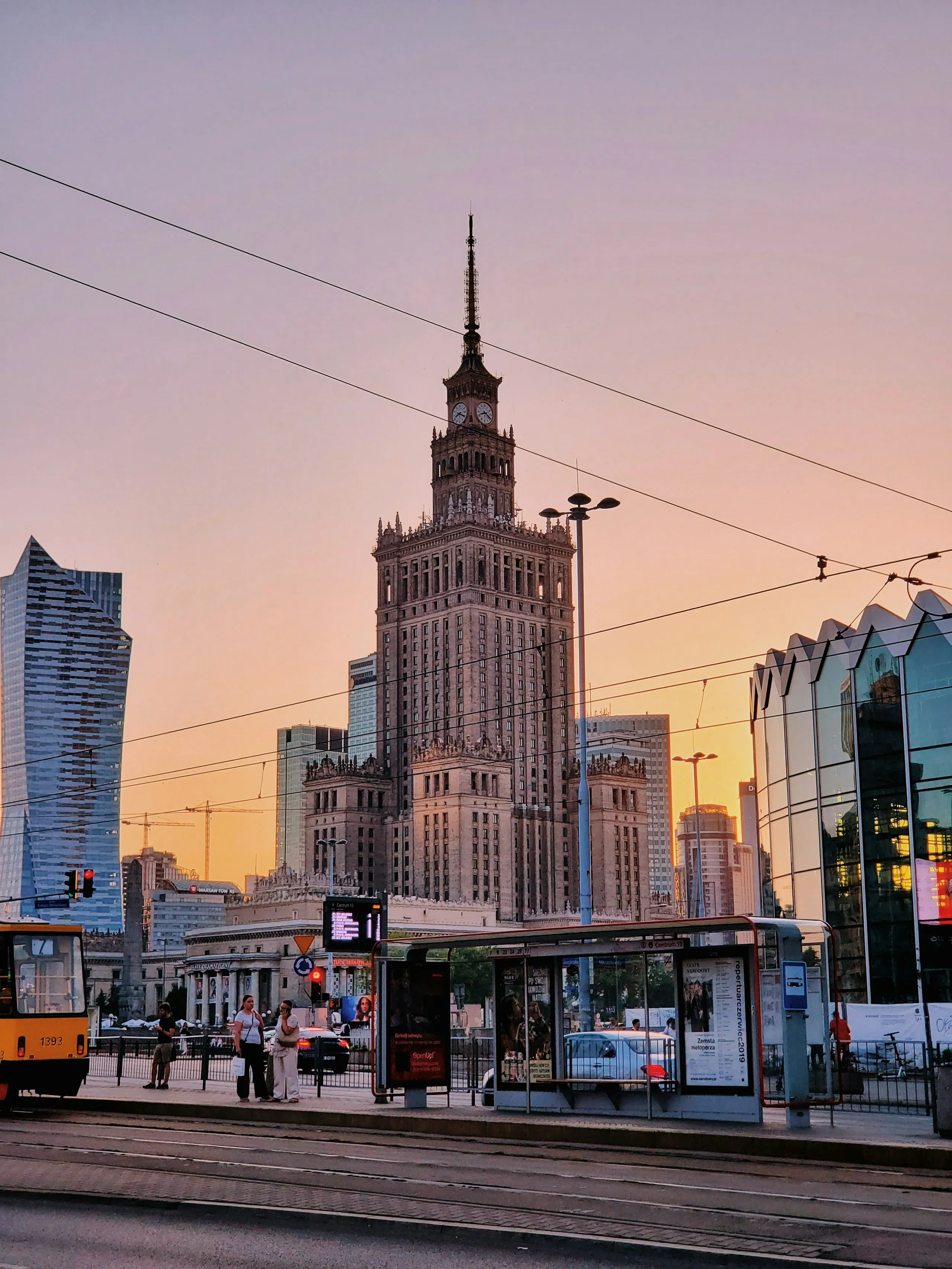
AI Tools Transforming Real Estate in Poland
Proptech innovations are changing how every real estate agency and investor operates, offering unprecedented access to information and analytical power. These tools help automate tasks and provide deep market insights.
This technological shift allows for more accurate property valuation and market study, trend forecasting, and targeted marketing. As a result, professionals can make faster, more informed decisions, giving them a competitive edge. See how this transformation is happening.
How CASAFARI Supports Investors and Professionals
CASAFARI provides a comprehensive platform for investors and real estate professionals to sign in to the CASAFARI platform and access market data. This powerful platform organises vast amounts of market and location data into clear, actionable insights.
By using CASAFARI’s real estate data API, professionals are able to perform detailed analysis, track asking and closing prices, and identify investment opportunities with precision. It is one of the most effective API integration tools available, turning raw information into a strategic advantage.
CASAFARI’s data integration solutions help you:
- Access the most complete and up-to-date property database.
- Use advanced analytics to make data-driven decisions.
- Streamline your workflow with powerful CASAFARI developer documentation for API integration.
How do market trends and AI tools shape property investment in Poland?
In summary, the Polish real estate market is experiencing significant growth driven by rising demand and evolving housing preferences. With its favourable economic climate and strong investment returns, Poland presents an attractive opportunity for both local and foreign buyers.
Additionally, the integration of AI tools like CASAFARI is revolutionizing the way investors and professionals navigate the market, providing valuable insights and streamlining processes. Embracing these trends and advancements will not only enhance your investment strategies but also ensure that you stay ahead in this dynamic landscape.
Frequently asked questions
Is now a good time to invest in Polish real estate?
Given current market trends, now presents favourable opportunities for investing in Polish real estate. The combination of rising demand, solid growth potential, and a stable economic climate supports property investment across Poland.
What types of AI tools are used by Polish real estate agents?
Real estate agencies in Poland use AI tools and data integration platforms for market analysis, automated property valuation, and guiding investment strategies. These solutions allow professionals to evaluate market trends and streamline transactions.
Which solutions provide comprehensive historical data and property price tracking for market analyses?
CASAFARI provides a suite of real estate data solutions, including Property Sourcing, Comparables, Area Insights, Seller Leads, Business Expansion, Casafari MCP, and the Property Data API. These tools track both asking prices across indexed listings and official closing prices in Poland, such as Rejestr Cen Nieruchomości (RCN) data and client-reported transactions.
Can non-EU citizens buy property in Poland?
Yes, non-EU citizens can purchase real estate in Poland. A valid passport is required for any transaction, and while buying an apartment is straightforward, non-EU citizens must obtain a permit from the Ministry of the Interior to purchase a house or a plot of land.
What are the main steps and costs when buying a property in Poland?
Buyers begin by signing a preliminary agreement followed by the final ownership deed certified by a public notary, with a sworn translator present if the buyer does not speak Polish. Total purchasing costs include the agreed property price, public notary fees, and applicable transfer taxes on secondary market purchases.