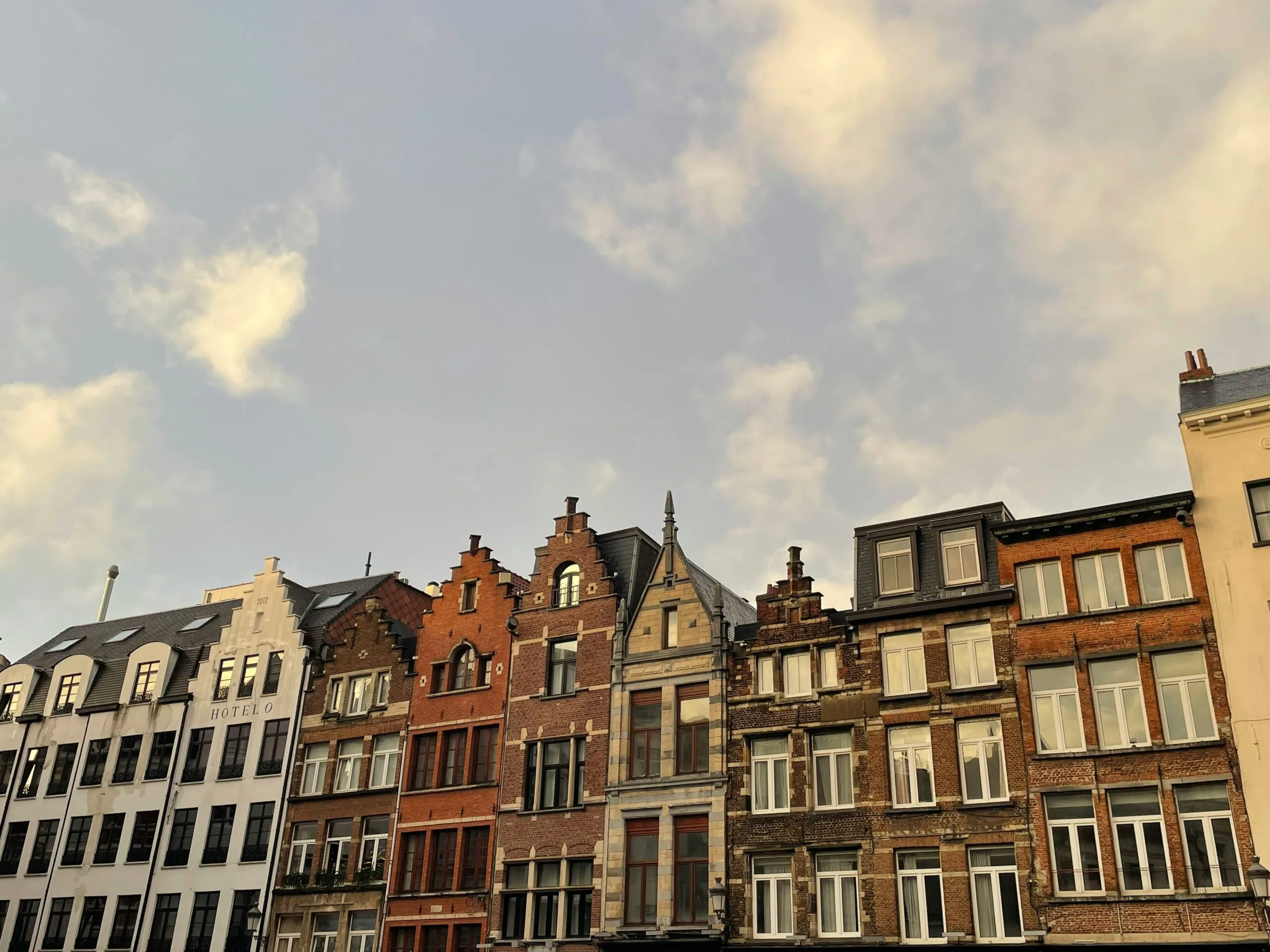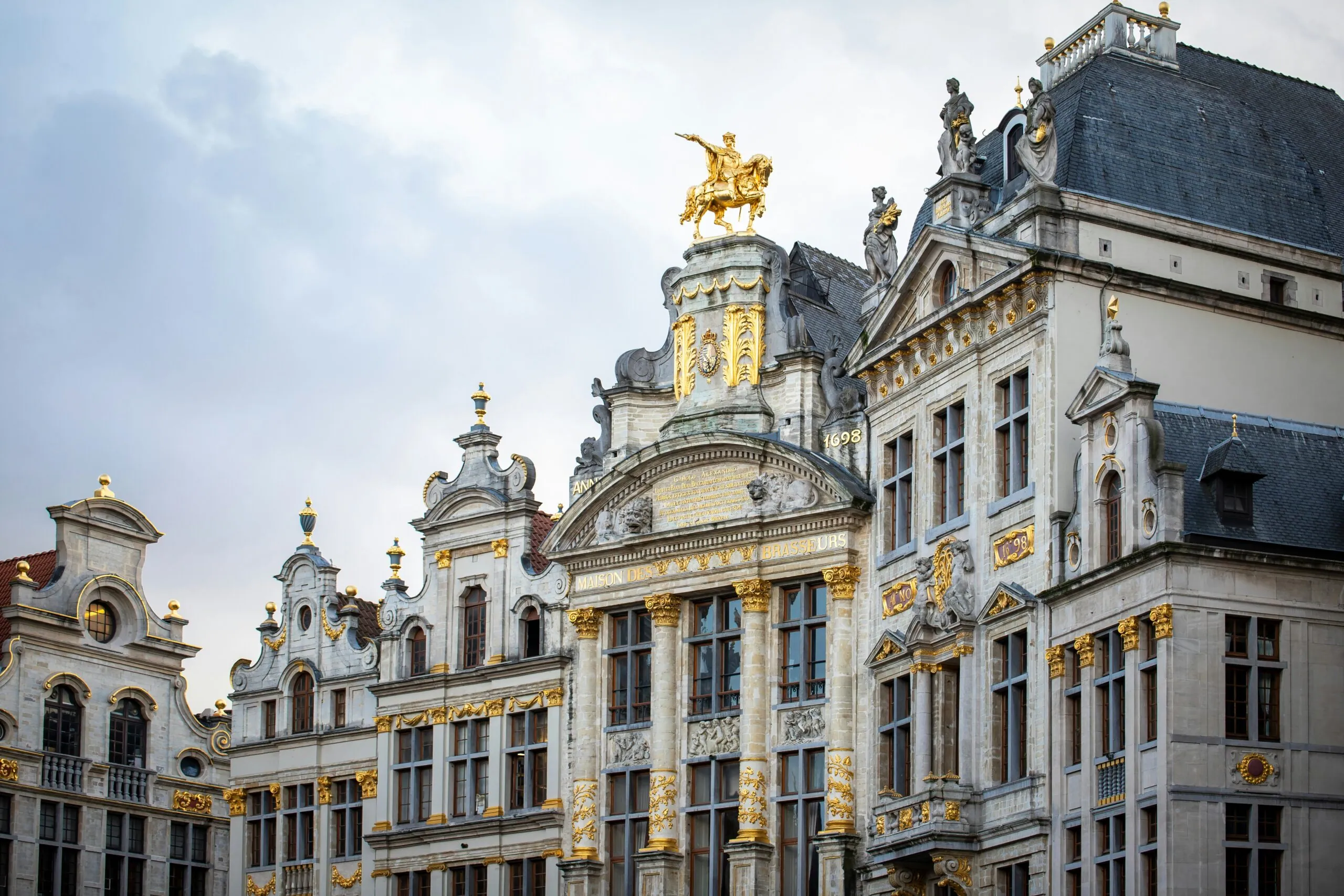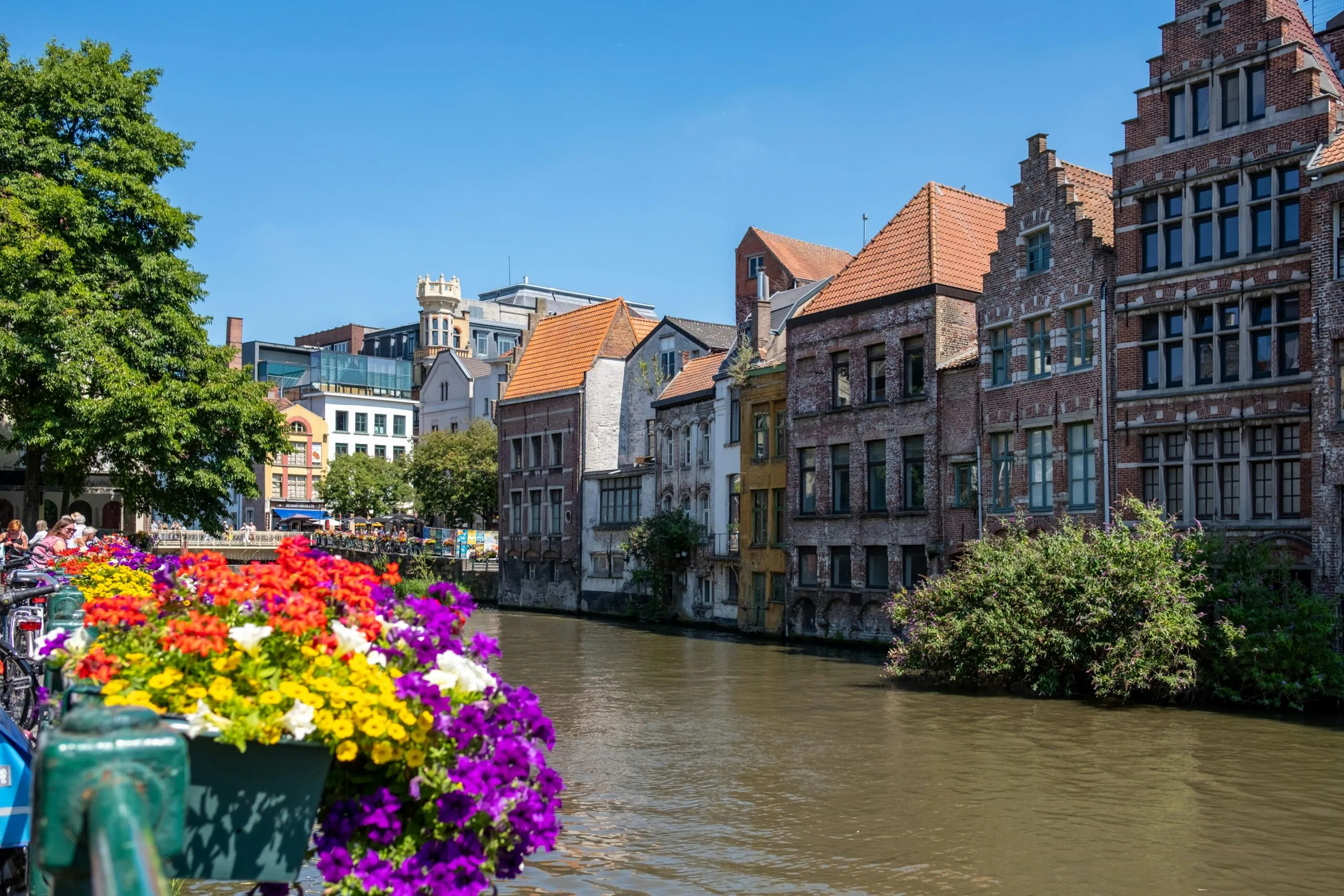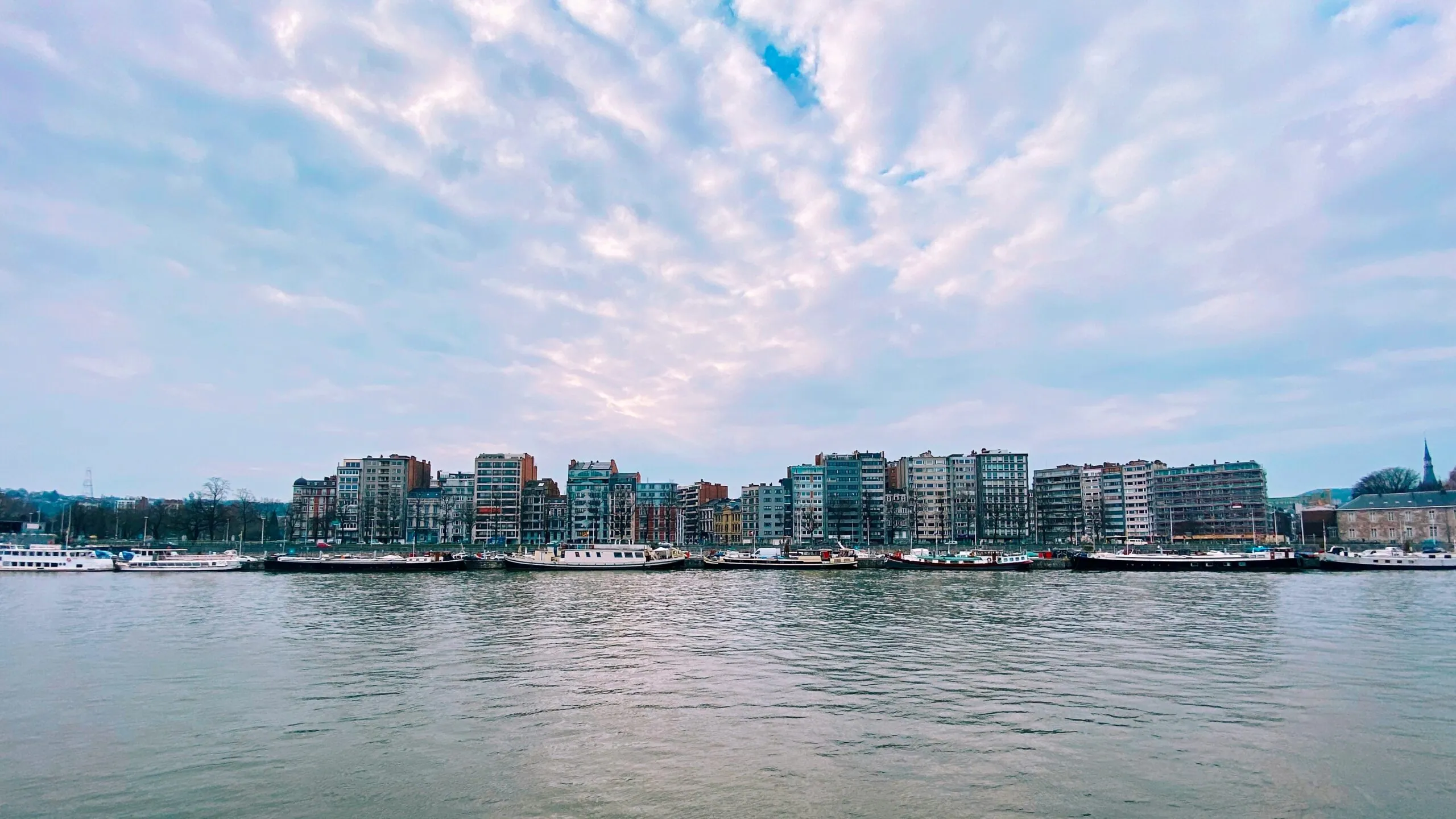
CASAFARI’s present all around Belgium
Get to know the most desirable locations.
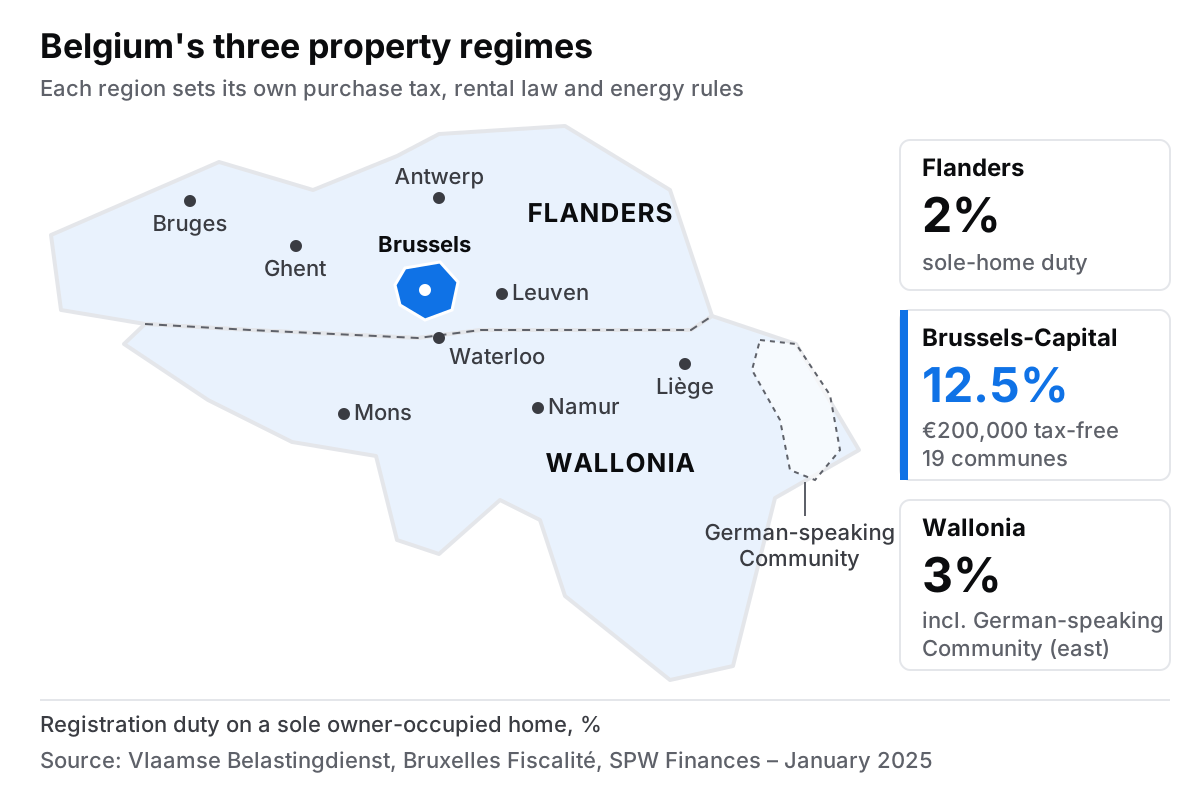
Anyone can buy property in Belgium regardless of nationality, but purchase taxes vary sharply by region. As of January 2025, registration duties on a sole owner-occupied home stand at 2% in Flanders and 3% in Wallonia, whereas Brussels applies a 12.5% rate with a €200,000 tax-free allowance for purchases up to €600,000. Signing the binding sale agreement requires completion via notary deed within four months. Buying real estate does not grant Belgian residency rights.
Why Belgium is three property markets, not one
To understand real estate in Belgium, one must look closely at its administrative geography. While civil law, the notary profession, value-added tax (VAT), capital gains tax and mortgage market regulation are handled at the federal level, the three regions—Flanders, Wallonia and Brussels-Capital—exercise full authority over property purchase taxes, rental legislation, energy performance rules and short-term letting frameworks.
This regional division creates striking financial differences over short geographical distances. A detached family home bought in Overijse, in the Flemish Brabant countryside, attracts a 2% registration duty for a sole owner-occupier. Drive fifteen minutes south into Rixensart, across the regional border in Walloon Brabant, and that same home faces a 3% duty. Drive twenty minutes northwest into Ixelles, in the Brussels-Capital Region, and the standard tax rate becomes 12.5%, mitigated only by a tax-free tranche known as the abattement.
When navigating a Belgian acquisition, buyers interact with both national institutions and regional bodies. Final ownership transfers pass through public notary offices supervised by Fednot, while market statistics are published by Statbel’s real estate price statistics. Meanwhile, tax obligations are settled directly with regional authorities: the Flemish Tax Service (Vlaamse Belastingdienst), Bruxelles Fiscalité, or the Walloon Public Service (Service public de Wallonie).
Where international buyers look: Brussels, Antwerp, Ghent, Leuven and the Walloon Brabant belt
International demand in Belgium is strongly concentrated around administrative hubs, commercial centres and major transport arteries. Each region offers distinct property typologies and buyer profiles.
In the Brussels-Capital Region, which comprises 19 distinct municipalities (communes / gemeenten), multinational corporate staff, diplomats and EU officials gravitate towards the green, established residential enclaves of Ixelles, Uccle, Woluwe-Saint-Pierre, Etterbeek and Watermael-Boitsfort. Younger professionals and creative firms frequently seek apartments in Saint-Gilles and Forest, while historic industrial conversions along the canal in Molenbeek and Anderlecht attract urban regeneration projects. Beyond the capital’s boundaries, the Flemish green belt (Vlaamse Rand)—including Tervuren, Overijse, Kraainem and Wezembeek-Oppem—and Walloon Brabant municipalities like Waterloo, Lasne and Rixensart offer grander villas within reach of international schools.
In Flanders, three cities capture the bulk of cross-border institutional and private attention:
- Antwerp: Driven by Europe’s second-largest port, fashion trade and diamond exchange, demand ranges from historic townhouses in Het Zuid and Zurenborg to modern waterfront apartment conversions in the Eilandje docklands.
- Ghent: A major university city and technology hub with consistently resilient housing demand and strong capital growth momentum.
- Leuven: Home to KU Leuven, the imec microelectronics research center and a flourishing pharmaceutical corridor, generating stable demand for student and academic housing.
In Wallonia, outside the affluent Walloon Brabant commuter belt, regional cities such as Namur, Liège (boosted by high-speed rail connections at Guillemins station) and Mons present lower entry prices. While nominal rental yields in these markets often appear higher on paper, investors must carefully factor in local vacancy rates and energy retrofitting requirements. Professionals evaluating regional capital growth and transaction volumes can consult Area Insights for Belgian communes and districts to assess localized market liquidity.
What it costs to buy: registration duties, VAT, notary and the four-month deed
Transaction costs on Belgian real estate depend heavily on whether the building is classified as an existing property or a new build.
When buying an existing property, the primary acquisition cost is the regional registration duty (droits d’enregistrement / verkooprecht). Following major legislative changes that took effect on 1 January 2025, regional tax burdens have diverged further:
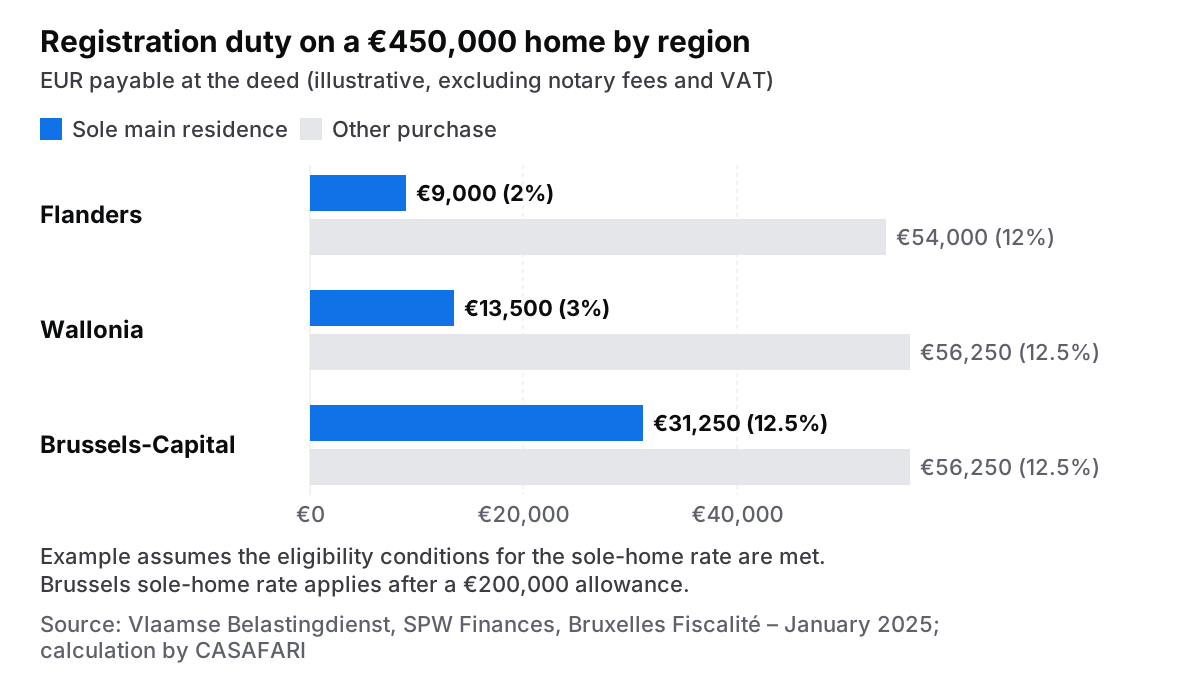
- Flanders: The registration duty for buyers of a sole, owner-occupied home was reduced to 2% for deeds signed from 1 January 2025, according to the Vlaamse Belastingdienst page on the verkooprecht. Investors, secondary home buyers and corporate purchasers pay a standard rate of 12%.
- Wallonia: As of 1 January 2025, the Service public de Wallonie introduced a flat 3% registration duty for a sole owner-occupied home, replacing earlier tax-reduction mechanisms. Secondary purchases and buy-to-let investments face a standard rate of 12.5%.
- Brussels-Capital: As maintained by Bruxelles Fiscalité, the standard rate is 12.5%. However, buyers of a sole primary residence benefit from an abattement (a tax-free allowance) on the first €200,000 of the purchase price, provided the total property price does not exceed €600,000. An additional tax allowance of €25,000 is available for every Energy Performance Certificate (EPC) band improved within five years of purchase.
For new developments sold within two years of first occupation, the purchase is subject to federal Value Added Tax (VAT) at 21% on the building value, while registration duties apply to the underlying land portion. A reduced 6% VAT rate applies permanently to qualifying demolition and reconstruction projects intended as a sole home under 200 square metres, as established by FPS Finance.
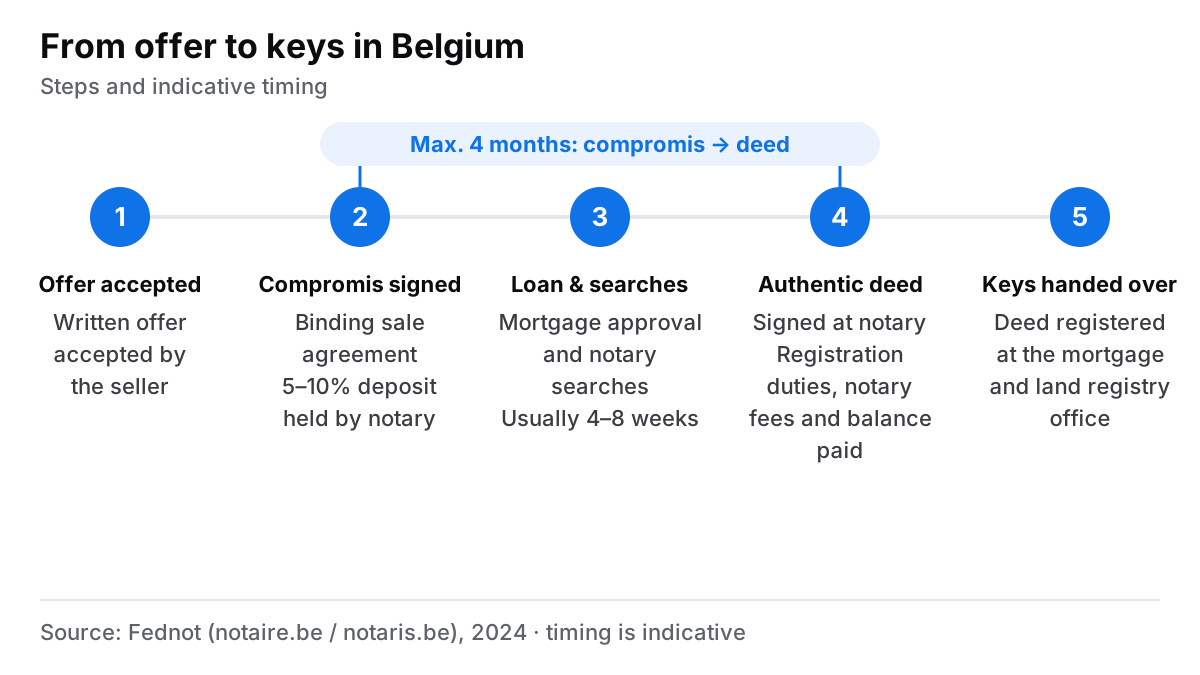
Notary fees are regulated nationally by law on a sliding scale relative to the purchase price, typically adding roughly 1% plus fixed administrative costs and VAT. Once an offer is accepted, parties sign the private sale agreement (compromis de vente / onderhandse verkoopovereenkomst). This document is legally binding. A deposit of 5% to 10% is customary and held in a notary escrow account.
From the signing of the sale agreement, the notary has up to four months to complete mandatory land registry, urban planning and title searches before the final authentic deed (acte authentique / authentieke akte) is executed. Purchase duties and the balance of funds must be settled at the deed signing.
For buyers seeking financing, the National Bank of Belgium mortgage lending expectations recommend a loan-to-value (LTV) limit of 90% for owner-occupiers and 80% for buy-to-let investors. Annual property holding costs consist of the précompte immobilier / onroerende voorheffing, an annual tax based on the property’s indexed cadastral income (revenu cadastral / kadastraal inkomen).
Energy standards also carry statutory costs. Under the Flemish renovation obligation for homes with EPC E or F, anyone purchasing a residential building in Flanders with an EPC label E or F since 1 January 2023 is legally required to renovate the property to at least an EPC label D within five years of the deed.
Letting it out: nine-year leases, regional rent rules and short-term lets
residential tenancy law in Belgium is governed by regional legislation: the Flemish Housing Lease Decree (Woninghuurdecreet), the Brussels Housing Code, and the Walloon Lease Decree. The standard residential lease contract (bail de résidence principale / woninghuurovereenkomst) is established for a primary term of nine years, though short-term leases of up to three years are permitted. Security deposits are capped by regional rules—up to two months’ rent in Brussels and Wallonia, and up to three months’ rent in Flanders.
Rent indexation occurs annually on the anniversary of the contract, calculated against the national health index. In recent years, all three regions have introduced restrictions tying annual indexation rights directly to the property’s EPC rating.
For real estate investors, capital gains on residential property resold more than five years after purchase are exempt from tax for private individuals. However, built properties resold within five years of acquisition attract a capital gains tax of 16.5% plus local municipal surcharges under Belgian tax law.
Investors considering short-term tourist lets (such as Airbnb) face strict local oversight. In the Brussels-Capital Region, short-term lets require prior registration under the regional tourist accommodation ordinance, compliance with strict fire safety requirements, and municipal urban planning consent. In Flanders, owners must submit a formal notification under the Logiesdecreet to Toerisme Vlaanderen. Wallonia applies its own accommodation decree. Prior to acquiring a unit for short-let purposes, buyers must verify municipal restrictions and building co-ownership (copropriété / mede-eigendom) bylaws.
To analyze asking prices, comparative market dynamics and true rental yields, investors use specialized valuation and market study tools. Additional analytical strategies for identifying growth zones can be found in our guide on how to find the most profitable locations with data.
Living there: transport, international schools and residency rules
Belgium’s extensive infrastructure makes cross-border commuting straightforward. High-speed rail services via Eurostar connect London St Pancras to Brussels-Midi/Zuid in approximately two hours, with direct high-speed links to Paris, Amsterdam and Cologne. National rail operator SNCB/NMBS links the major cities seamlessly, enabling easy commutes between Ghent, Antwerp, Leuven and Brussels.
international families are served by an extensive network of international educational institutions. These include the four official European Schools located in Uccle, Woluwe, Ixelles and Laeken, alongside private institutions such as the British School of Brussels in Tervuren, the International School of Brussels in Watermael-Boitsfort, St. John’s International School in Waterloo, and Antwerp International School.
Language regulations are strictly territorial: Dutch is official in Flanders, French in Wallonia, both in bilingual Brussels, and German in the eastern municipalities. Consequently, all legal property deeds, searches and official EPC certificates are issued exclusively in the official language of the property’s municipality.
Regarding immigration, property ownership does not confer automatic residence rights in Belgium, as confirmed by the Belgian Immigration Office. European Union citizens must register with their local municipality (commune / gemeente) within three months of arrival. Non-EU citizens, including UK nationals, must secure a long-stay visa D or work permit prior to taking up long-term residence. Belgium does not operate a golden visa or residency-by-investment scheme.
How agents and investors read Belgium with CASAFARI
Navigating a fragmented market across three distinct administrative regions requires consolidated, clean data. CASAFARI aggregates property listings from thousands of Belgian portals and estate agency websites into unified, deduplicated property histories.
Real estate professionals, private investors and expansion teams rely on CASAFARI’s toolkit to benchmark transactions:
- Area Insights: Delivers granular, commune-level analysis of supply, average days on market, and stock turnover rates.
- Comparables and Valuations: Provides clear pricing benchmarks comparing historical asking figures with sold market evidence.
- Property Sourcing: Empowers sourcing agents to discover off-market opportunities and direct-from-seller listings by searching across Property Sourcing across Belgian portals and agencies.
- Business Expansion: Assists foreign agency networks and brokerages expanding into Belgian territory through CASAFARI for Business Expansion.
Software developers and proptech teams can integrate regional data feeds directly into their workflows using the Area Insights API documentation on developers.casafari.com and the Comparables and valuation API docs. To verify regional geographic coverage, explore which countries CASAFARI covers.
Before executing a binding agreement in Flanders, Brussels or Wallonia, evaluating regional tax duties, EPC renovation rules and local municipal guidelines ensures a secure transaction. You can try CASAFARI on platform.casafari.com to analyze current residential market trends across Belgium.
Frequently asked questions
Can foreigners buy property in Belgium?
Yes, non-Belgian citizens and non-residents can buy real estate in Belgium under the exact same legal conditions and tax rates as Belgian nationals. However, purchasing property does not automatically grant a residence permit or citizenship. European Union citizens register with their local commune upon moving, while non-EU buyers, including UK citizens, must apply for a long-stay visa or residency permit through standard immigration channels.
What are the registration duties when buying a home in Belgium?
Registration duties depend on the region where the property is located. As of January 2025, buyers of a sole owner-occupied home pay 2% in Flanders and 3% in Wallonia, whereas secondary purchases or buy-to-let investments incur standard rates of 12% in Flanders and 12.5% in Wallonia. In the Brussels-Capital Region, the standard rate is 12.5%, but primary home buyers benefit from a tax-free allowance on the first €200,000 for properties priced up to €600,000.
How long does it take to buy a house in Belgium?
The purchase process in Belgium typically takes three to four months from an accepted offer to receiving the keys. Once the initial sales agreement (compromis de vente / onderhandse verkoopovereenkomst) is signed, the appointed notary has up to four months to conduct statutory property and title searches before completing the authentic deed. Payment of purchase taxes and the remaining balance occurs at the deed signing.
Can I let my Brussels flat on Airbnb?
Short-term holiday lets in Brussels are subject to strict regional and municipal regulations. Property owners must register their accommodation with the Brussels-Capital Region, satisfy specific fire safety standards, and ensure the building’s co-ownership regulations permit tourist rentals. Many Brussels communes also require urban planning authorization or change-of-use approval before a residential property can be listed on short-let platforms.