
Portugal Property Market Recovery, Golden Visa and Non-Habitual Residents
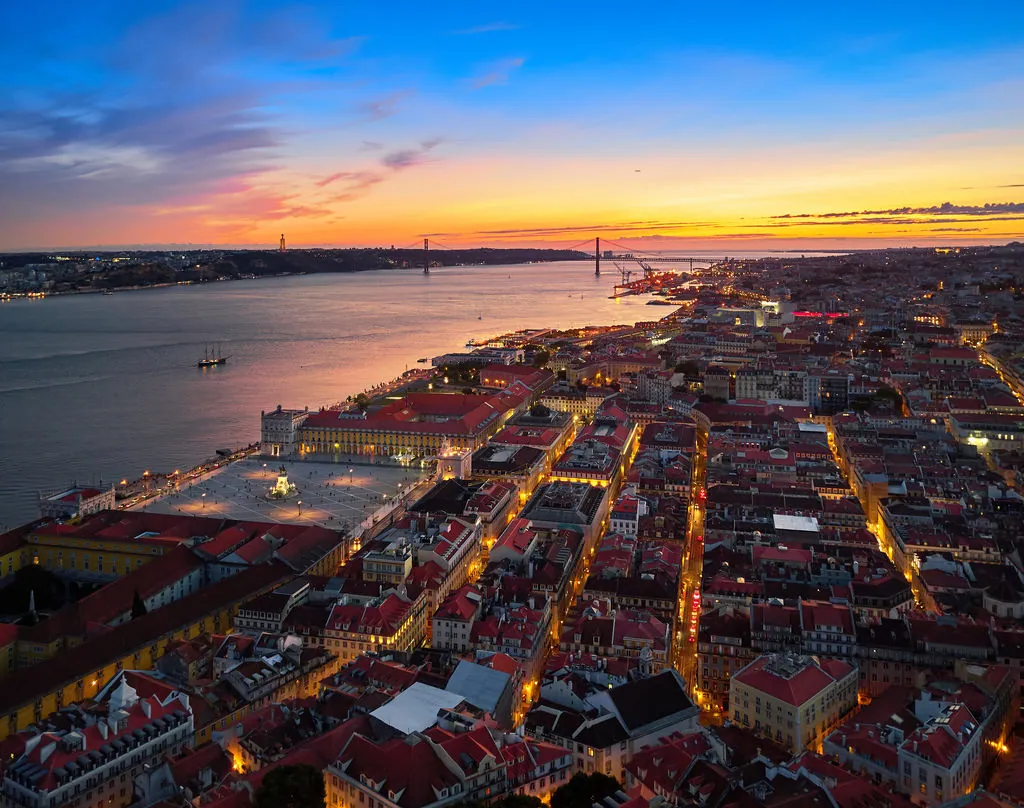
Portugal’s 2017 property market recovery was driven by post-2011 government initiatives—specifically initiatives like the Golden Visa, which brought around €2.7 billion in investment between 2012 and 2017, the Non-Habitual Residents (NHR) tax regime, and booming tourism. Crucially, this expansion was not a credit bubble, as 95% of property transactions in 2016 occurred without bank financing.
Why was Portugal in a crisis?
In the beginning of the XXI century, Portugal was dealing with an increasing unemployment rate and slow growth rates (nearly -1% in 2003). This slow growth was mainly associated with low productivity, which per se, was linked to the Portuguese low educational level and severe brain drain.
Due to several other factors, Portugal wasn’t considered a productive nor competitive country, therefore scaring away potential foreign investors. Additionally, high social expenditures led this country to accumulate an enormous debt.
When we thought it couldn’t be any worse, the 2008 global crisis hit. This caused massive disturbances to the Portuguese market, so as everywhere else. On top of that, by the end of 2008, two banks, namely BPP and BPN, were accused of fraud, as they were accumulating losses for years. The CEO of BPN was arrested, and the bank was considered too big to fail. Subsequently, the bank was given a bailout by the Portuguese government at a future loss to taxpayers.
Dark days followed and in 2011, Portugal was facing financial distress and unable to pay-off its debt. The country was saved by European institutions as they injected €78 billion in the Portuguese economy in order to avoid an insolvency.
How did the Golden Visa, NHR programme and tourism drive Portugal’s property recovery?
Golden Visa & Non-Habitual Residents program
Right after the bailout, the government started seeking for ways to attract foreign investment. The most successful initiatives were in the property market by introducing the Golden Visas (“golden residence” or “property visa”) and the Non-Habitual Residents (NHR) program. These initiatives are very simple and straightforward.
Allow me to explain:
The Golden Visa
- The Golden Visa states that if you invest in a property valued over €500.000 you would automatically qualify for a Portuguese nationality and therefore to an EU passport.
- Moreover, if you were to buy an old property that would need a redevelopment and construction work, this value would drop to €350.000. Pretty good investment opportunity if you are a non-European citizen and you need a permanent residence permit in Schengen countries.
- According to data, 4,423 visas have been granted to foreign investors between 2012 and today. The Chinese make up a big majority of visa applicants scoring over 71%.
- Around €2.7 billion has been invested in the country just through the golden visa scheme.
The Non Habitual Resident in Portugal Program
- The NHR program is considered by PwC “Europe’s best-kept secret”. It was introduced with the purpose of attracting individuals that perform high value-added activities of scientific, artistic or technical character and their families to Portugal.
- How come? By awarding them with a reduced flat tax rate on income. And there’s a cherry on top of the cake: you are also provided with all the benefits of an ordinary Portuguese tax resident such as healthcare (Portuguese public healthcare is ranked 12 in the world, according to WHO).
- According to the NHR advocates in Portugal, main applicants for this scheme have been British and French retirees followed by Swedes, Irish, and other European citizens.
Tourism as a way out of the crisis
In addition, after the bailout, the Portuguese government decided to make significant investments in tourism.
According to CityLab, government initiatives proved highly effective as Lisbon’s tourism sector expanded rapidly. With the rise of Airbnb and the short-term rental market, growing numbers of foreign investors found reason to invest in the city whether or not they required a visa.
Which Portuguese cities and neighbourhoods benefited most from foreign investment?
This ongoing real estate investment has resuscitated old, forgotten neighborhoods like Bairro Alto, Cais do Sodre or Alfama in Lisbon and has successively given a new life to Porto and Algarve as well.
Portugal is cool now. It’s hip and it’s just getting started. If you don’t believe me, come see it for yourself. You’ll be amazed. Lisbon, in particular, is attracting investors from all over the world, and not only from the real estate industry.
This location has become a new hotspot for anyone seeking low taxes and cheap operational costs. Celebrities have also found it attractive to move in the country. Madonna, Michael Fassbender, Garrett McNamara, Philippe Starck, Christian Louboutin, Norman Brenninkmeijer (Netherland’s richest man) are some of the celebrities that have found asylum in Portugal.
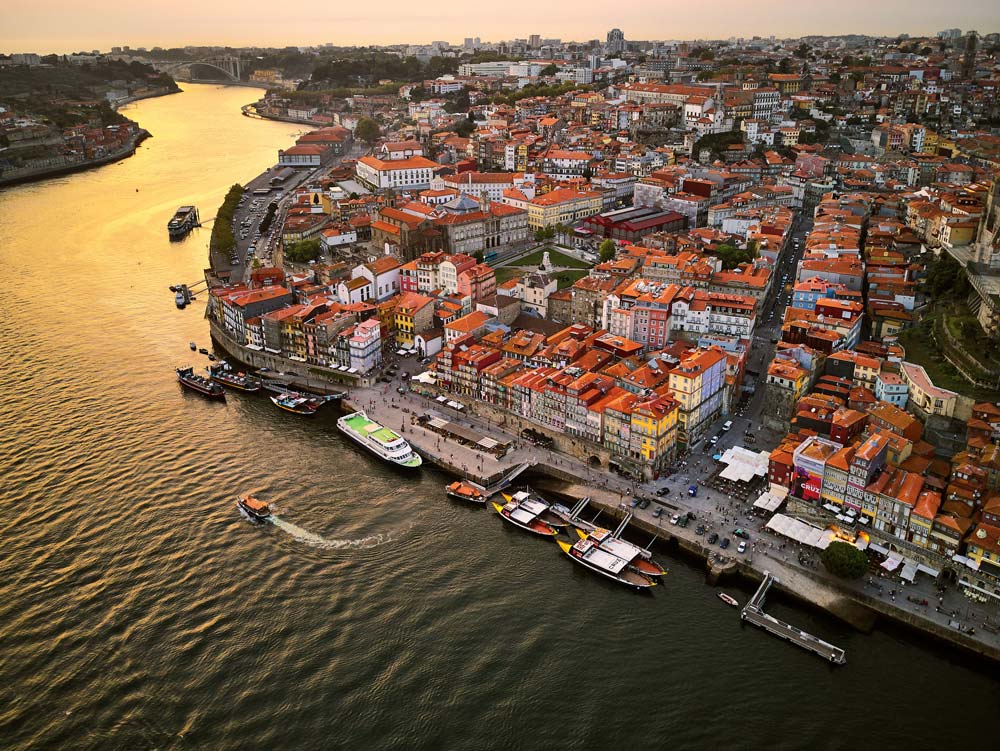 Photo by Deensel via Flickr
This property demand increase has been raising house prices around the main cities and it has been signaling an acceleration in the country’s economy.
Just since last year, the unemployment rate dropped by 2.2%, wages have been increasing and the debt to GDP ratio is expected to drop by more than 20% by 2020. Portugal’s financial outlook was also reaffirmed by S&P Global Ratings just a few weeks ago.
Is there a bubble?
Indeed, the housing prices have been going up, and the last time we witnessed this in 2008, the whole economy went down. But there’s no need to worry. Things are different now. Banks have different standards on credit lending and it’s not that popular to borrow money anymore. In 2016, 95% of the real estate transactions in Portugal occurred without financing.
Real estate agencies and banks are also looking optimistic. They claim not to be in a pre-bubble period and expect a sustained and healthy growth for the following years.
In anticipation of upcoming demand, companies utilizing real estate data solutions for property investors are already undertaking an expansion strategy:
- REMAX Portugal hired 520 new agents this year.
- ING has invested €400 million in Portuguese real estate assets in 2016. Last week, it announced an additional investment of €67 million.
- ROSP Group, a company owned by Sandra Ortega, Zara owner’s daughter and Spain’s richest woman, is also investing €50 million this year.
According to the National Institute of Statistics, property transaction volumes and values rose substantially across Lisbon and Porto. Real estate professionals can also leverage CASAFARI Area Insights for tracking property market trends to analyze these growth trends.
Prices are expected to keep on increasing and the city center will become too expensive for poor families to live in, pushing them outside the city limits. Different nationalities continue to enter the market, as detailed in our guide to buying property in Portugal, with international buyers accounting for a significant share of real estate transactions.
The city is already becoming more international and you can hear it on the streets. Demand will keep on rising and hopefully, supply will catch up. It’s hot in Portugal! And I don’t mean the weather.
Frequently asked questions
What drove the 2017 recovery of the Portuguese property market?
Following the €78 billion European bailout in 2011, the Portuguese government introduced the Golden Visa and Non-Habitual Residents (NHR) programmes alongside major tourism investments. These initiatives attracted billions in foreign capital and revived real estate markets across Lisbon, Porto, and the Algarve.
How much investment did Portugal’s Golden Visa attract between 2012 and 2017?
Between 2012 and October 2017, Portugal granted 4,423 Golden Visas to foreign investors, with over 71% issued to Chinese applicants. This scheme brought approximately €2.7 billion in investment into the country through properties valued at €500,000 or €350,000 for urban rehabilitation.
What tax benefits did the Non-Habitual Resident (NHR) programme offer in 2017?
The Non-Habitual Resident regime offered a flat 20% income tax rate for individuals performing high value-added scientific, artistic, or technical activities. Participants also received access to Portuguese public healthcare, making the scheme particularly popular with British, French, Swedish, and Irish residents.
Why wasn’t the 2017 Portuguese property boom considered a housing bubble?
Unlike the credit expansion prior to the 2008 financial crisis, banks applied strict lending standards, and 95% of Portuguese property transactions in 2016 occurred without bank financing. According to Portugal’s National Institute of Statistics (INE), transaction volume reached €8.9 billion in the first six months of 2017, with property sales rising 25% in Lisbon and 27% in Porto.
How can investors and agents track Portuguese property market trends with CASAFARI?
Real estate professionals use CASAFARI’s Area Insights and Property Sourcing tools to monitor asking prices across indexed listings and closing prices from official sources such as INE in Portugal. Users can access comprehensive property market analytics directly on the CASAFARI platform.