ALGARVE PROPERTY GUIDE
Portugal’s most popular region for second home buyers
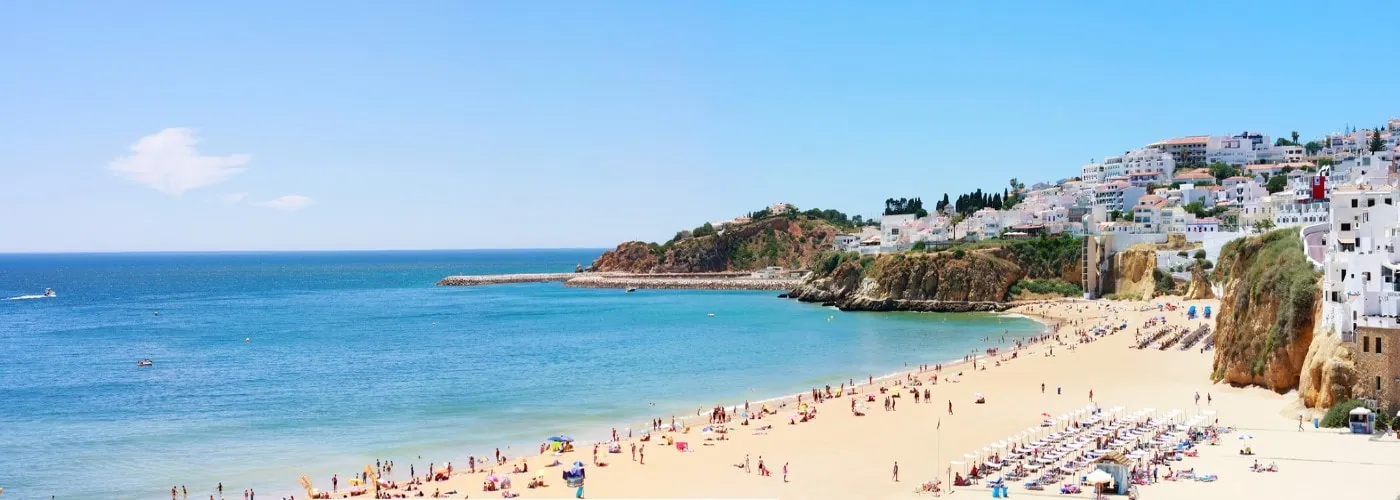
Standing in Quinta do Lago or Tavira reveals two distinct housing markets within the same southern region. The Algarve comprises 16 municipalities across mainland Portugal’s southernmost district, making it the country’s most international residential real estate market. Live prices and market trends are updated directly in the ticker on this page, while this guide outlines the key sub-regions, residency rules and legal procedures for international buyers.
Regions and neighbourhoods of the Algarve
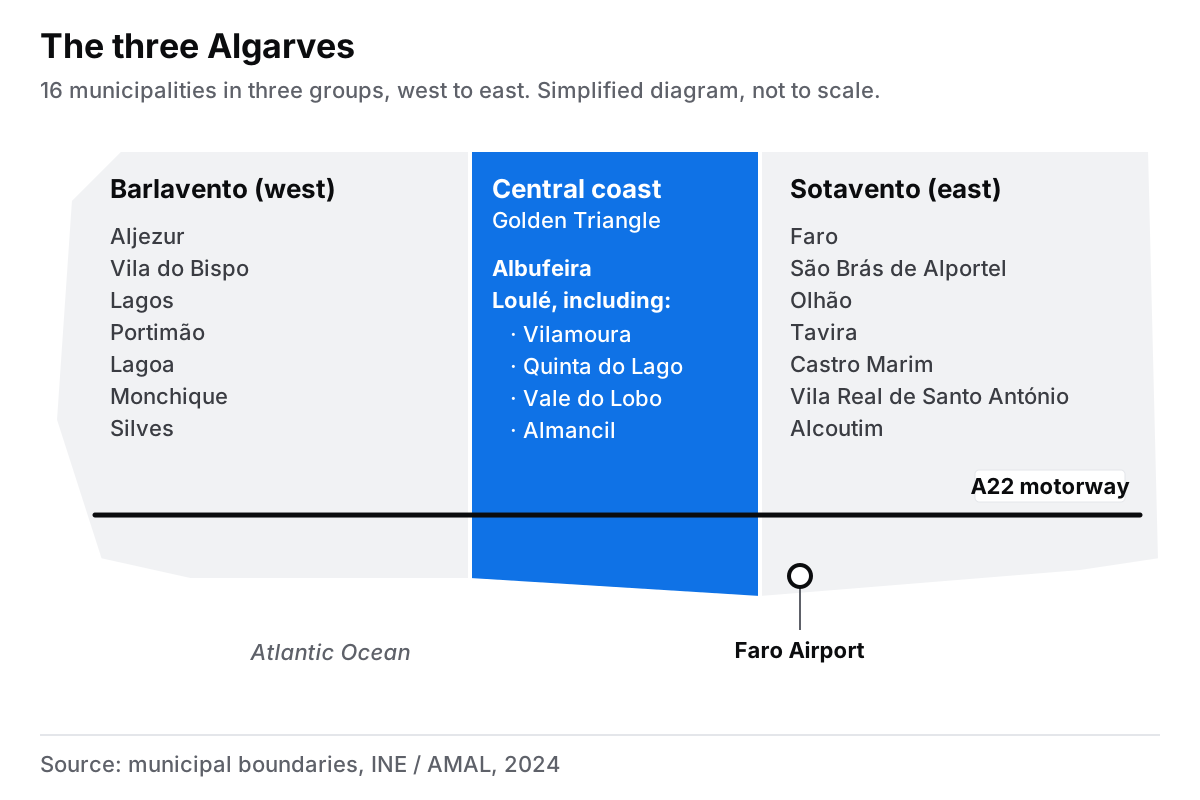
According to INE – Instituto Nacional de Estatística, the Algarve is a NUTS II region with 467,495 residents recorded in the 2021 Census. Administratively managed across 16 municipalities, the territory is conventionally split into the windward west (Barlavento) and leeward east (Sotavento), anchored by a high-demand central coastline.
The Golden Triangle and central coast: Loulé and Albufeira
The central coast forms the high-end backbone of the market. Located within Loulé municipality, the Golden Triangle encompasses resort developments such as Quinta do Lago, Vale do Lobo, Vilamoura and Almancil. This sector attracts international buyers seeking luxury villas, managed estates and top-tier golf amenities. Adjacent lies Albufeira, a primary hub for tourism and rental accommodation, explored further in our Albufeira area spotlight.
The Barlavento: west from Lagoa to Sagres
The Barlavento includes seven municipalities: Aljezur, Vila do Bispo, Lagos, Portimão, Lagoa, Monchique and Silves.
- Lagos and Praia da Luz: Popular with British and Northern European purchasers looking for year-round coastal living, modern apartments and townhouse stock.
- Portimão and Alvor: Urban hub featuring marina facilities, city amenities and high-density apartments.
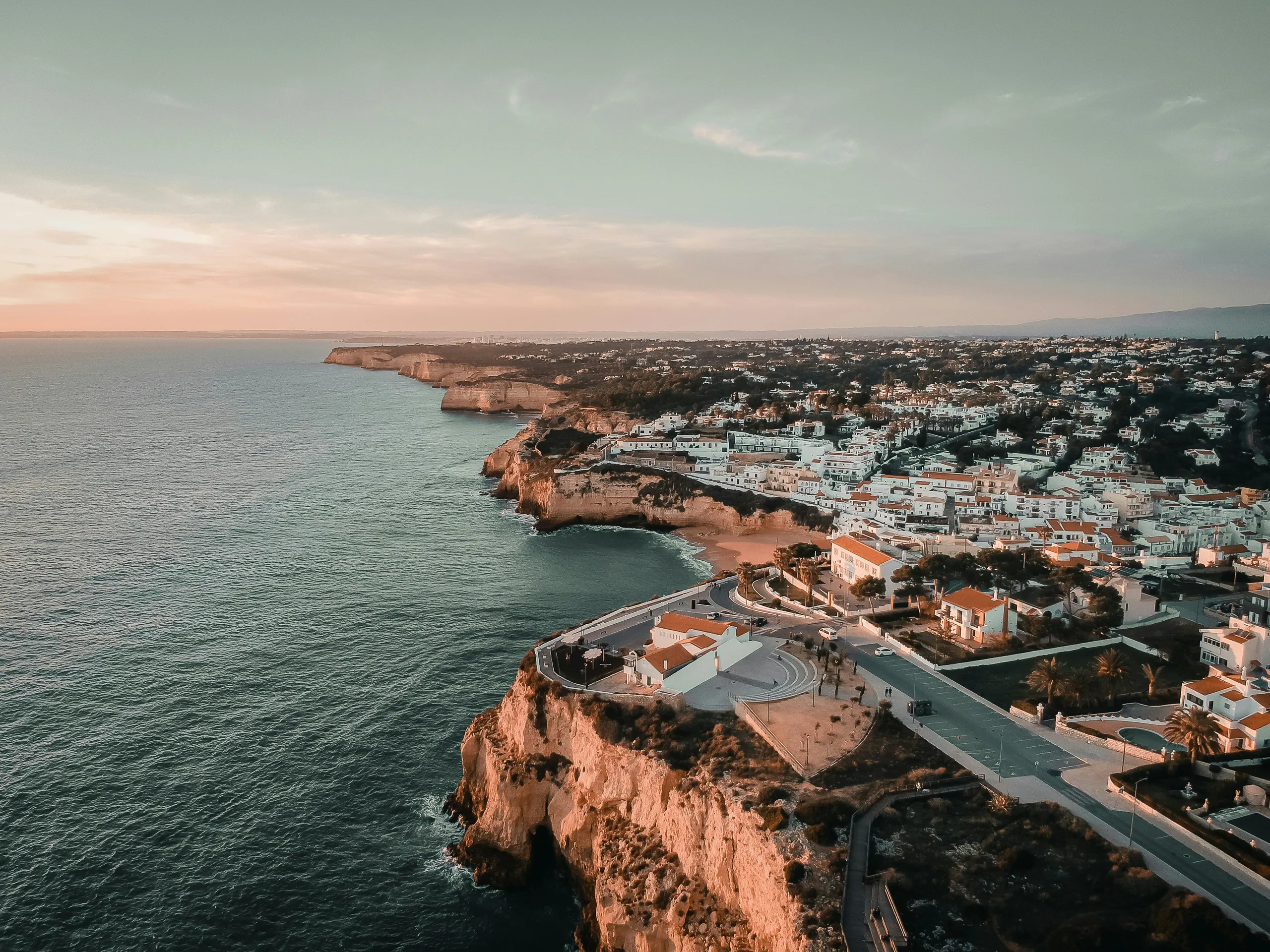
- Lagoa, Carvoeiro and Ferragudo: Known for coastal cliffside villas and traditional homes.
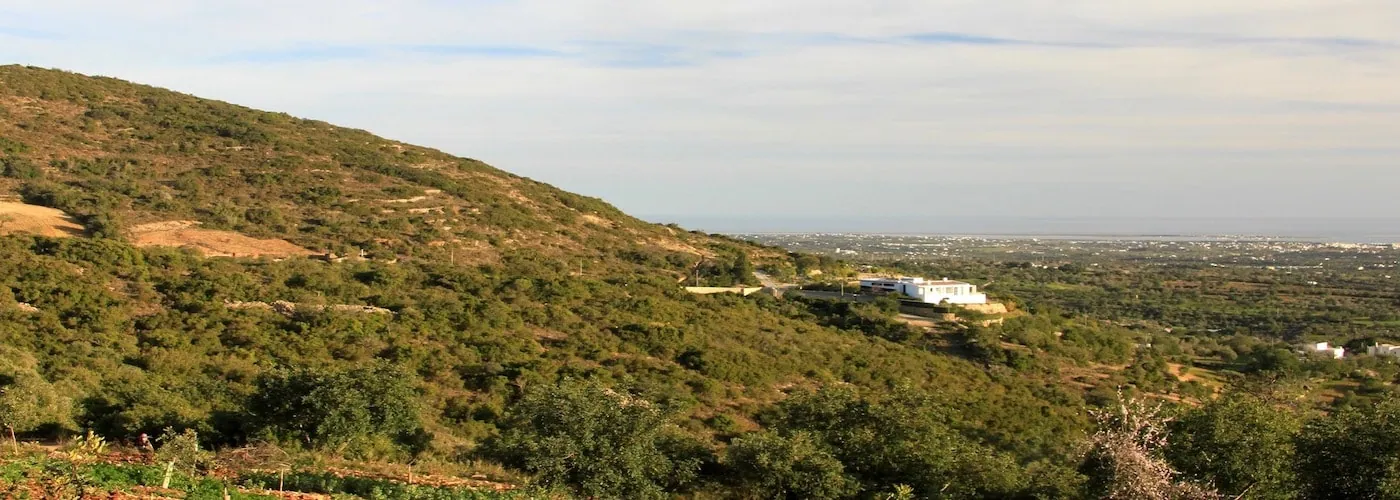
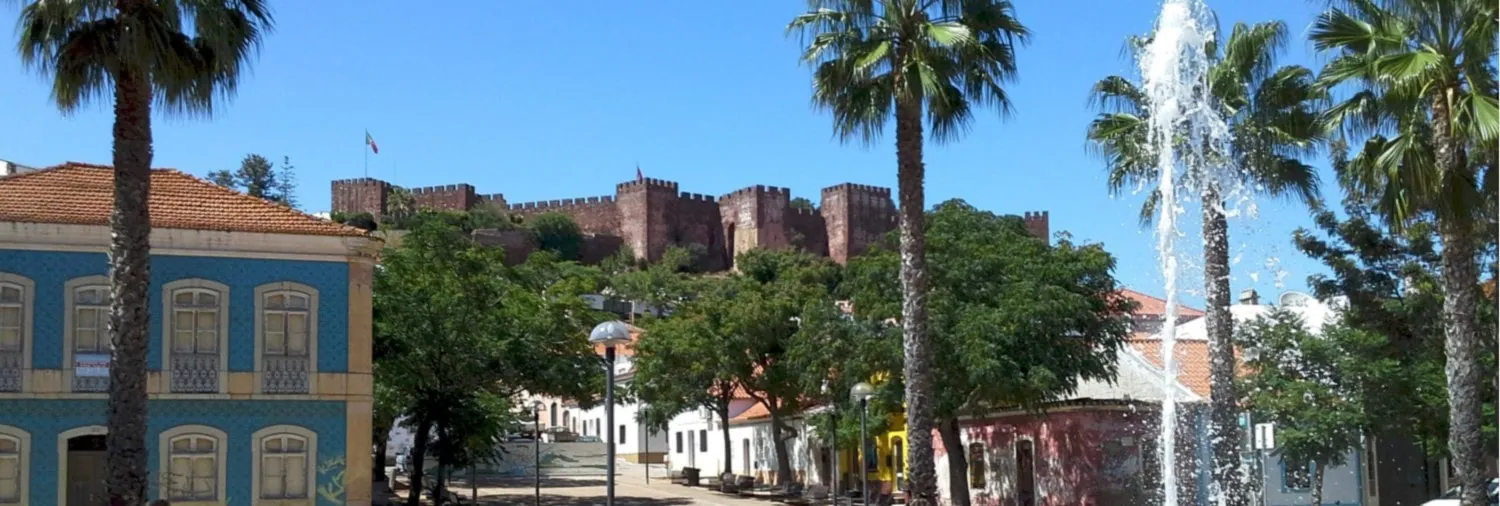
- Inland and West Coast: Silves and Monchique offer countryside quintas, while Aljezur and Vila do Bispo sit within protected natural park boundaries where planning regulations are strictly enforced.
The Sotavento: east from Faro to the Spanish border
The Sotavento encompasses nine municipalities: Albufeira, Loulé, Faro, São Brás de Alportel, Olhão, Tavira, Castro Marim, Vila Real de Santo António and Alcoutim.
- Faro: The regional capital, home to the main public health facility run by ULS do Algarve and the Universidade do Algarve.
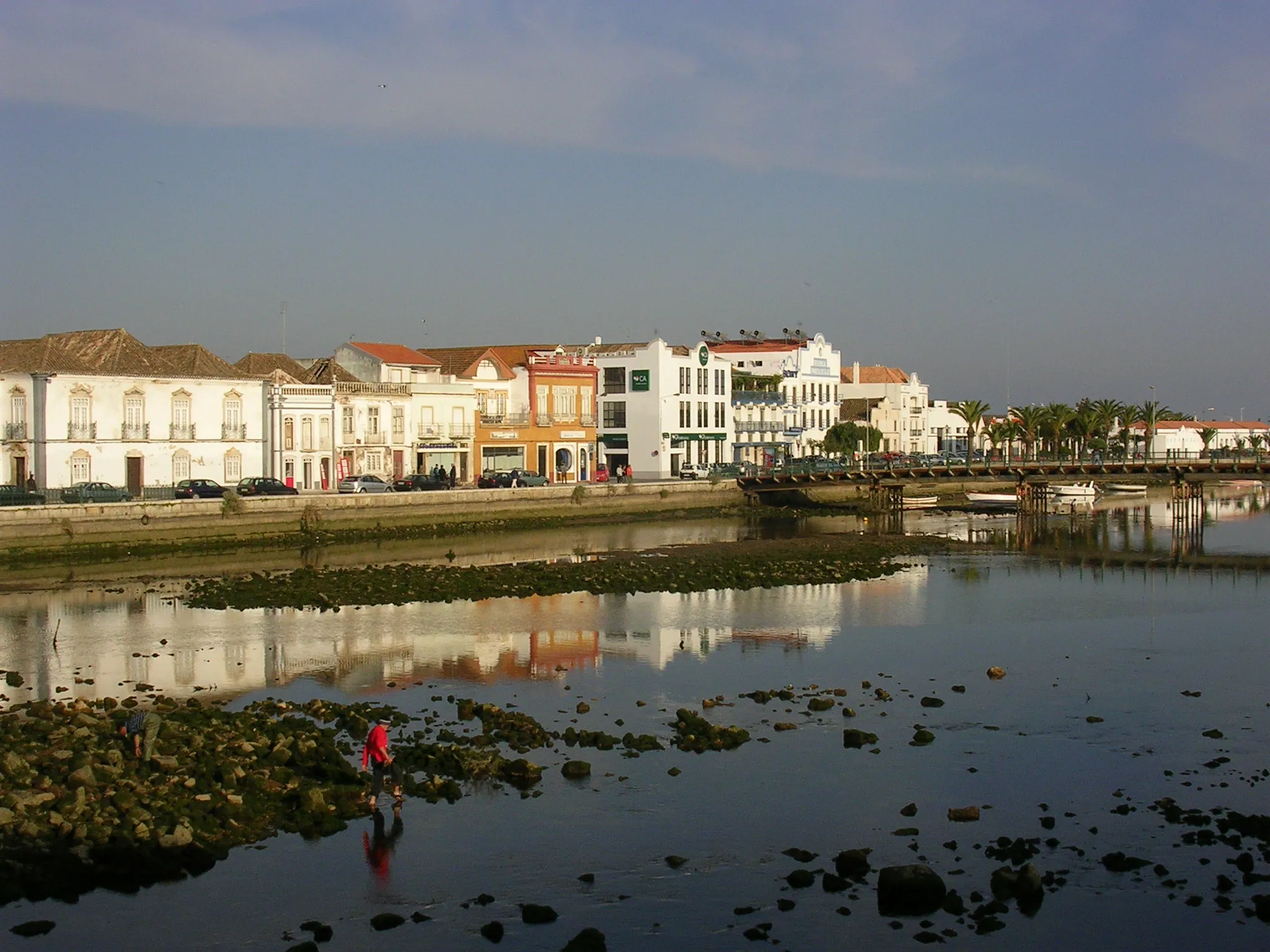
- Olhão and Tavira: Olhão offers a historic fishing quarter undergoing urban restoration, while Tavira is widely favoured for authentic Portuguese architecture and townhouses along the Gilão river.
- Border and Inland: Castro Marim and Vila Real de Santo António provide quieter entry points near Spain, while São Brás de Alportel and Alcoutim cater to rural inland living.
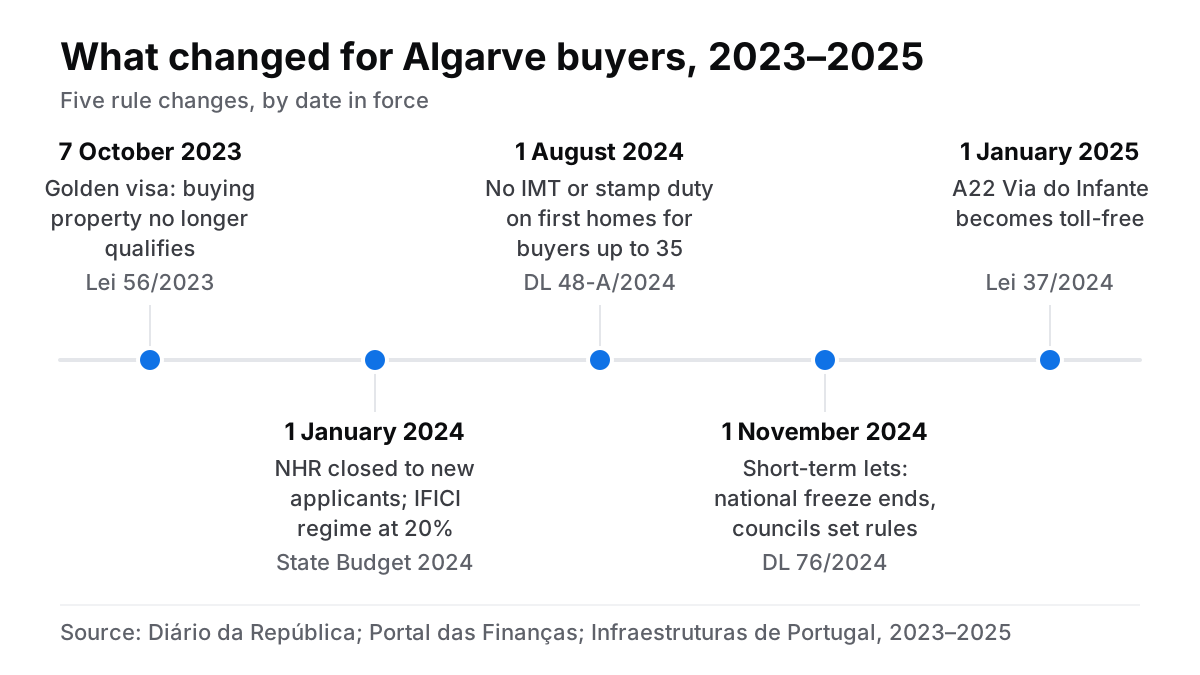
What has changed in the rules since 2023?
Navigating property in the Algarve requires understanding recent legislative updates enacted by the Portuguese parliament.
Golden Visa property route closed
Under Lei n.º 56/2023 (Mais Habitação), effective from 7 October 2023, purchasing real estate or real-estate-backed funds no longer qualifies for the Residence Permit for Investment (Golden Visa). Eligible routes are now limited to non-real-estate investment funds (minimum €500,000), job creation, scientific research or cultural contributions. Non-EU buyers seeking residence without an eligible fund investment generally apply for alternative visas handled by AIMA.
Residency for non-EU/UK nationals
Non-EU/EEA residents, including UK nationals following Brexit, are subject to the standard Schengen 90/180-day rule. Those intending to reside long-term typically apply for the D7 visa (passive income) or D8 visa (digital nomads) through Portuguese consular channels prior to establishing tax residence.
What does it cost to buy and own a home in the Algarve?
Purchasing property in Portugal involves both upfront transfer costs and ongoing municipal taxes managed through the Portal das Finanças.
Transaction costs and taxes
- IMT (Imposto Municipal sobre As Transmissões Onerosas de Imóveis): A progressive property transfer tax calculated on the purchase price or taxable asset value (VPT). Rates vary depending on whether the home is a primary residence or a second home.
- Stamp Duty (Imposto do Selo): Charged at a flat rate of 0.8% of the property value at the time of purchase.
- Legal and Registry Fees: Notary fees, land registry charges and legal representation costs typically add to the closing budget.
Ongoing property taxes
- IMI (Imposto Municipal sobre Imóveis): An annual municipal tax set by each câmara municipal within a statutory band of 0.3% to 0.45% of the property’s VPT for urban real estate.
- AIMI (Adicional ao IMI): Applies to individual owners whose combined taxable property value (VPT) across Portugal exceeds €600,000.
The buying process step-by-step
- Obtain a NIF: A Portuguese tax identification number is mandatory for any legal transaction.
- Promissory Contract (CPCV): The Contrato-Promessa de Compra e Venda secures the deal, customarily accompanied by a 10% deposit.
- Deed and Registration: The final deed (escritura) is executed before a notary or via Casa Pronta, followed by registration at the Conservatória do Registo Predial.
For detailed guidance on completing these administrative stages, read our step-by-step guide to buying property in Portugal. To evaluate investor opportunities across the national market, review why investors look at Portugal.
Getting there and getting around
The Algarve’s transport connections bind its eastern and western municipalities to Lisbon and international destinations.
- Air Travel: Faro Airport serves as the central international gateway for the region.
- Rail Connections: Operated by CP – Comboios de Portugal, the Linha do Algarve regional rail line connects Lagos to Vila Real de Santo António via Faro. Intercidades and Alfa Pendular services link Faro, Loulé and Albufeira directly to Lisbon in under three hours.
- Road Network: The A2 motorway provides direct road travel between Lisbon and the Algarve in approximately 2.5 to 3 hours.
How real estate professionals research the Algarve with CASAFARI
Navigating real estate options across 16 distinct municipalities requires accurate, consolidated market data.
Real estate agents and institutional investors utilize Area Insights for the Algarve’s municipalities and parishes to monitor supply concentration, stock distribution and time on market across specific parishes (freguesias). To check spatial levels, see which locations you can analyse in Market Analytics.
When determining valuation benchmarks for single assets—such as a villa in Carvoeiro or an apartment in Lagos—professionals rely on the Valuation & Market Study tool to compare live listing parameters against comparable properties. Technical details and API specifications are available in the Area Insights documentation on developers.casafari.com (in English).
To explore real-time property market analytics or run valuation reports, sign in to platform.casafari.com to try it.
Frequently asked questions
Where is the best place to buy property in the Algarve?
The optimal location depends on your lifestyle goals and investment strategy. The Golden Triangle (Quinta do Lago, Vale do Lobo, Vilamoura) caters to high-end resort living, while Lagos, Praia da Luz and Carvoeiro offer vibrant coastal communities for year-round residents. Buyers seeking authentic Portuguese towns and coastal nature often prefer Tavira or Olhão in the Sotavento. Check our live market ticker above to compare price levels across municipalities.
Can I still get a Portuguese golden visa by buying property in the Algarve?
No, purchasing real estate in the Algarve or anywhere in Portugal no longer qualifies for a Golden Visa under Lei n.º 56/2023, which took effect in October 2023. Buyers seeking residence must consider alternative pathways, such as non-real-estate investment funds with a €500,000 minimum or the D7 passive income visa. Detailed residency requirements are managed by AIMA.
Can I rent out my Algarve property as a holiday let?
Short-term holiday lets (alojamento local) are subject to local municipal regulations and condominium approval. While national regulations govern the registration process via the ePortugal platform, individual câmaras municipais set local operating limits. Investors should verify municipal guidelines in Loulé, Albufeira, Lagos or Faro before purchasing. Rental income generated in Portugal is subject to Portuguese tax regulations.
What taxes do you pay when buying a house in the Algarve?
When purchasing property, buyers pay IMT (property transfer tax) based on a progressive rate structure, along with a 0.8% Stamp Duty on the contract value, as detailed by Portal das Finanças. Ongoing ownership costs include IMI, an annual municipal property tax ranging from 0.3% to 0.45% of the property’s taxable value (VPT). An additional tax (AIMI) applies if an individual’s total property VPT in Portugal exceeds €600,000.