CASAFARI’s present all around the United Arab Emirates
Get to know the most desirable locations.
The United Arab Emirates offers international buyers one of the most competitive real estate environments globally in 2026, combining 0% personal tax on residential rental income with zero capital gains tax and an accessible AED 2 million Golden Visa threshold. Market momentum remains exceptionally strong, with Dubai Land Department recording AED 286.43 billion in H1 2026 property sales and Abu Dhabi logging AED 86.1 billion over the same period.
Why international investors and buyers are targeting the United Arab Emirates in 2026
Demographic expansion and institutional capital flows continue to underpin property demand across the emirates. Federal Competitiveness and Statistics Centre data shows the UAE population reached 11,294,243 at the end of 2024, while Dubai Data and Statistics Establishment figures confirm Dubai’s resident population reached 4,807,185 in late September 2026.
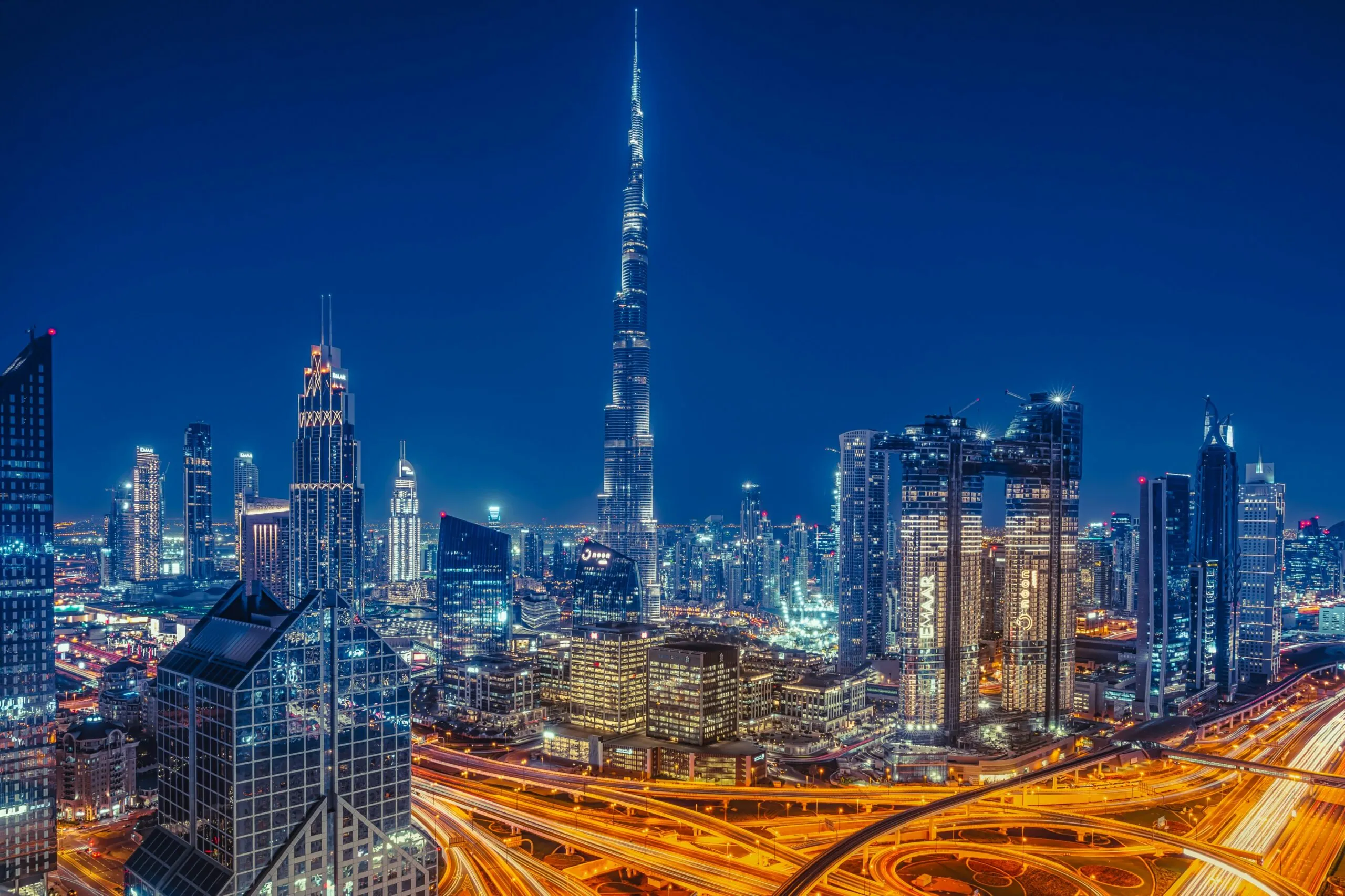
Each major emirate presents a distinct investment narrative. Dubai offers unmatched transaction liquidity: following a historic 2025 with over 270,000 total real estate transactions worth AED 917 billion, Dubai Land Department data compiled by ELEVATION and TruHauz showed H1 2026 property sales reaching 86,005 transactions worth AED 286.43 billion (part of AED 419.94 billion total transactions including mortgages), followed by 32,385 residential sales in Q3 2026.
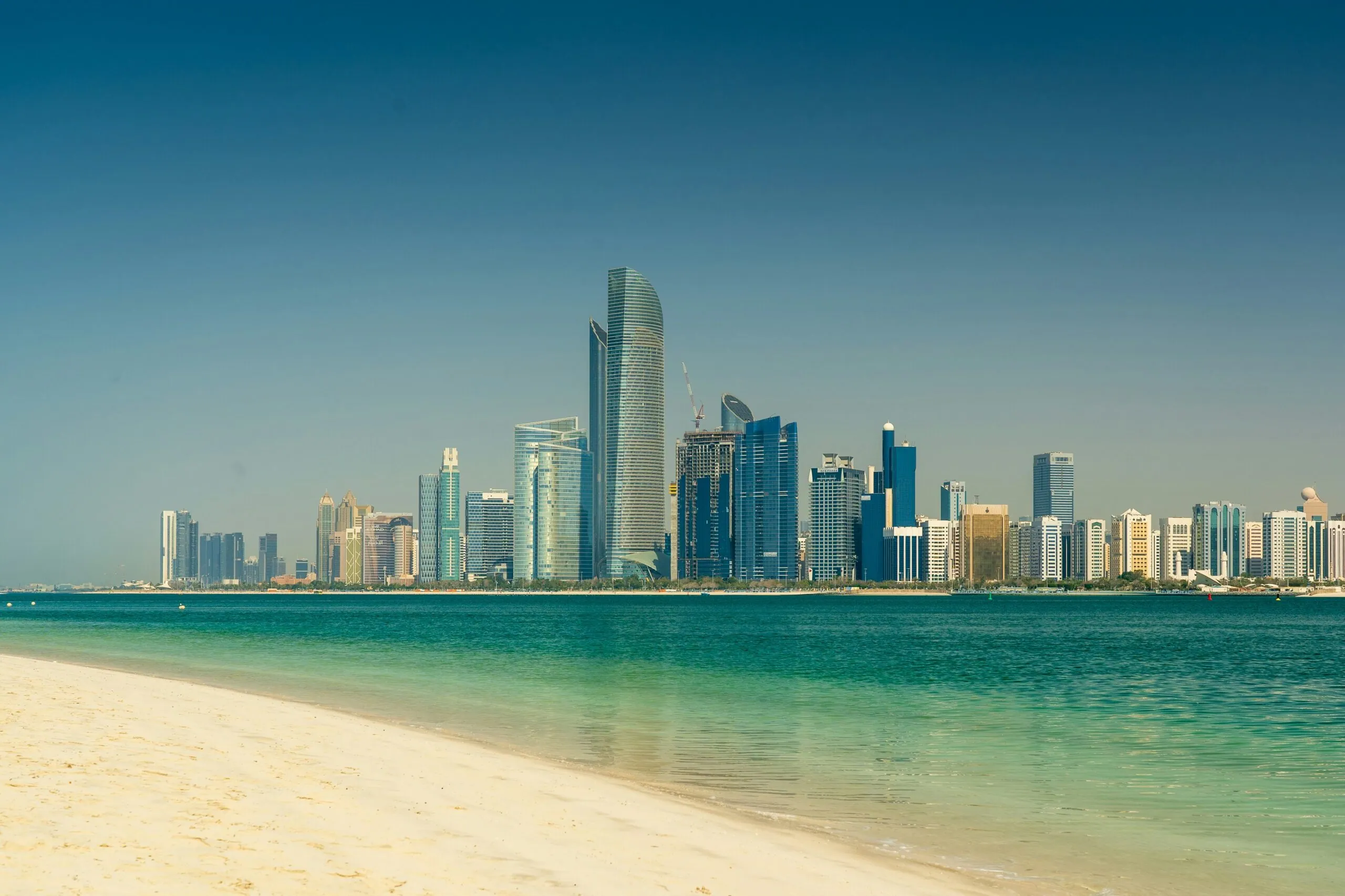
Abu Dhabi presents a rapidly expanding institutional and cultural landscape. According to the Engel & Völkers Abu Dhabi Market Analysis, the capital recorded AED 142 billion in total transactions in 2025 (including AED 76 billion in residential sales) and surged in H1 2026 to AED 117 billion in total transaction value—a 112% year-on-year increase—supported by 16,838 sales worth AED 86.1 billion, with Q3 2026 generating an additional AED 21.5 billion in residential sales.
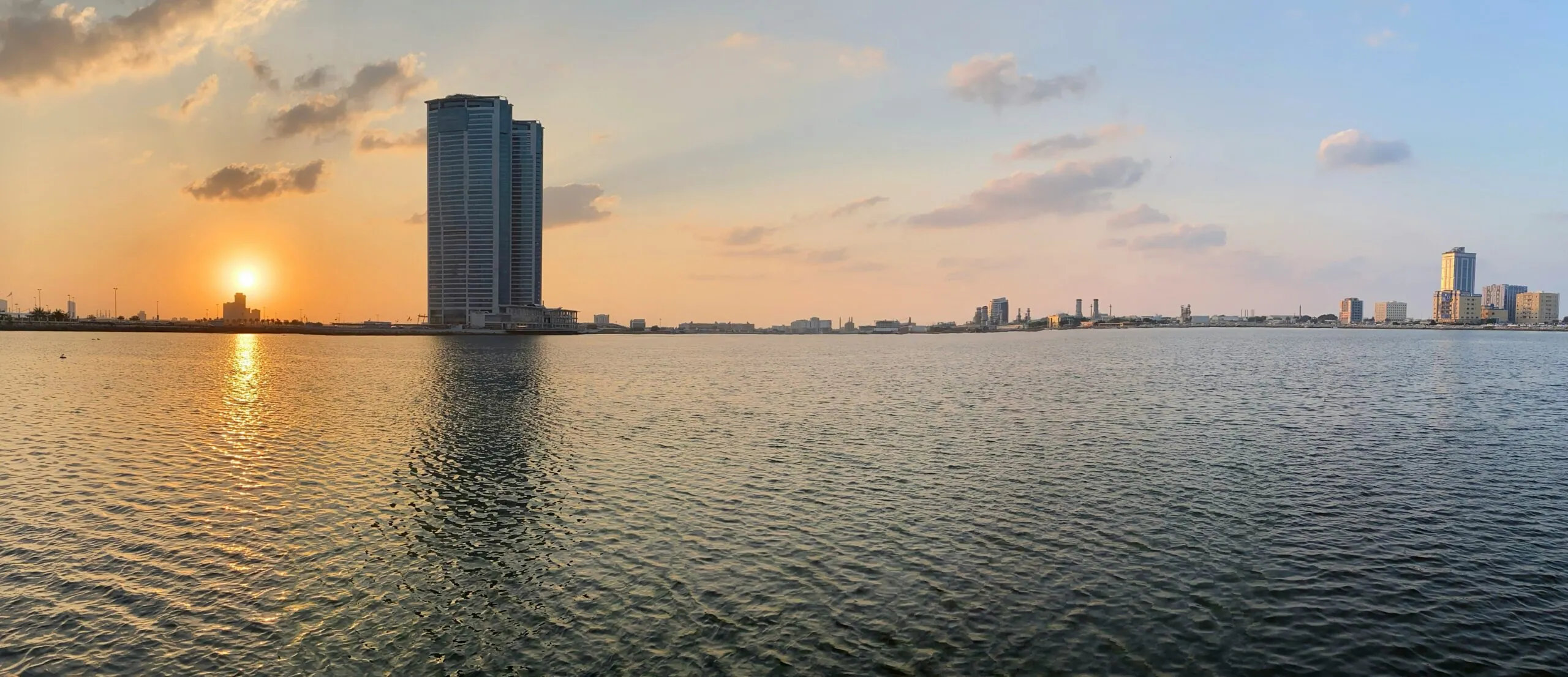
Meanwhile, Ras Al Khaimah has established itself as a premier leisure destination, catalysed by the USD 5 billion Wynn Al Marjan Island resort. WOW-RAK industry reports note the resort topped out its 300-metre tower in Q4 2025 and is scheduled to open in 2027 as the UAE’s sole licensed casino following Federal Decree-Law No. 25 of 2025, which removed historical gambling prohibitions from the UAE Civil Code in June 2026.
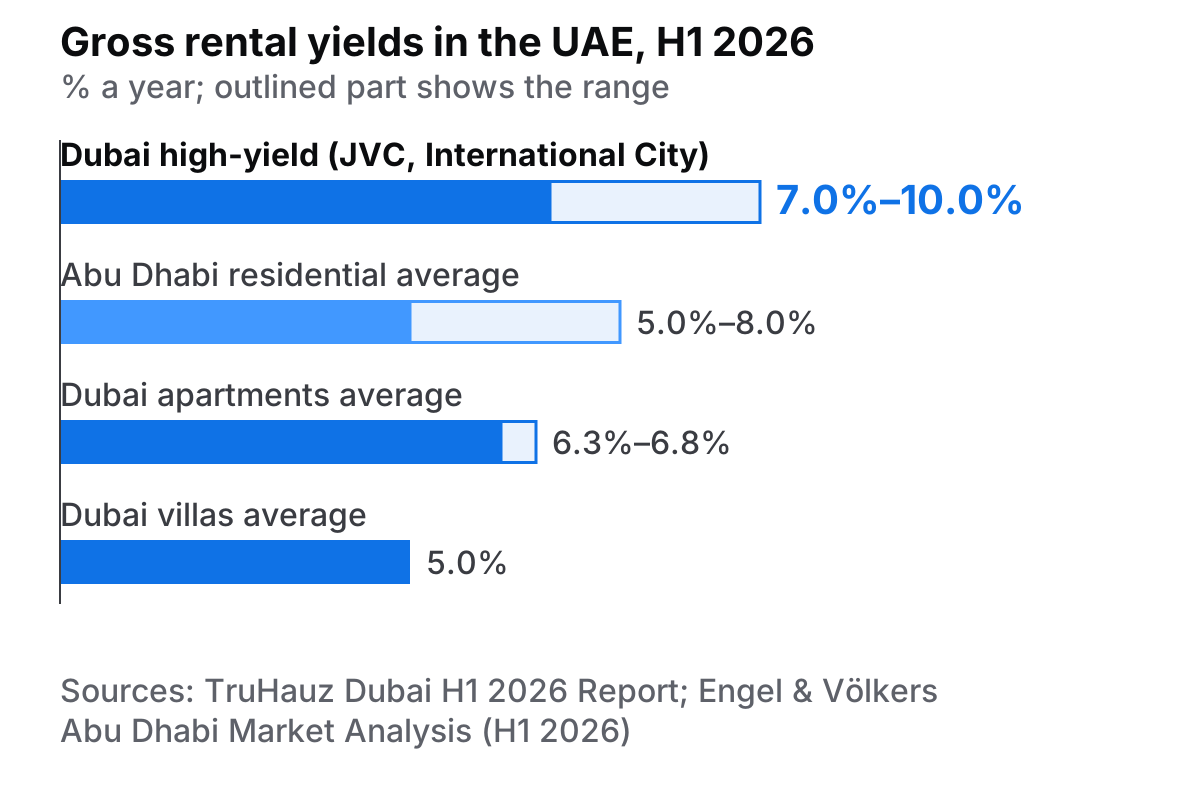
Gross residential rental yields across the UAE remain attractive relative to European standards. TruHauz H1 2026 data indicates Dubai apartment gross yields average 6.3% to 6.8%, with high-yield apartment districts such as Jumeirah Village Circle (JVC) and International City achieving 7.0% to 10.0%, while villa yields average approximately 5.0%. In Abu Dhabi, Engel & Völkers reports residential yields ranging from 5.0% to 8.0%. Institutional investors and asset managers use CASAFARI Area Insights and comparables and property valuation reports to benchmark these yield distributions, while developers can integrate market data via the Area Insights API documentation.
Where can foreign nationals buy freehold property in Dubai, Abu Dhabi and Ras Al Khaimah?
Land ownership in the UAE is governed at the individual emirate level, granting non-GCC foreign nationals 100% freehold title within designated investment zones.
In Dubai, foreign buyers can purchase established freehold properties in key business and waterfront districts including Downtown Dubai, Dubai Marina, Palm Jumeirah, Business Bay, Dubai Hills Estate, Jumeirah Village Circle, and Dubai South.
In Abu Dhabi, Law No. 13 of 2019 codified foreign freehold ownership across primary investment corridors. As detailed in the Impala Real Estate 2026 guide, designated freehold zones include Yas Island, Saadiyat Island, Al Reem Island, Al Maryah Island, Al Raha Beach, Masdar City, Al Reef, Lulu Island, Sayh Al Sedairah, Hudayriyat, Fahid Island, Al Jurf, and Ramhan Island.
In Ras Al Khaimah, international ownership is centred on master-planned coastal projects, notably Al Marjan Island, Mina Al Arab, and Al Hamra Village. Portfolio managers reviewing multi-region allocations can evaluate tailor-made real estate solutions for property investors or explore broader strategies on identifying the most profitable locations for real estate investment.
What are the property transfer fees, taxes and ongoing costs in the UAE?
Transaction costs and holding fees differ between Dubai and Abu Dhabi, though both emirates maintain a highly favourable tax environment for individual investors.
| Cost Category | Dubai (DLD Rules) | Abu Dhabi (DMT Rules) |
|---|---|---|
| Transfer / Registration Fee | 4% (split 2% buyer / 2% seller in law; paid in full by buyer by custom) | 2% standard (statutory range 1%–4%; split 1% buyer / 1% seller) |
| Title Deed Issuance Fee | AED 250 | AED 1,000 |
| Trustee / Registration Fee | AED 4,200 (AED 4,000 + 5% VAT) for properties ≥ AED 500k | Included in municipal processing |
| Real Estate Agency Commission | Standard 2% (+ 5% VAT) | Standard 2% (+ 5% VAT) |
| Annual Residential Property Tax | 0% | 0% |
| Personal Income Tax on Rent | 0% | 0% |
According to Aurantius Real Estate tax research, individual property owners pay 0% personal income tax on residential rental earnings and 0% capital gains tax. However, corporate entity owners face a 9% UAE Corporate Tax on net taxable profits exceeding AED 375,000, although qualifying Real Estate Investment Trusts (REITs) remain exempt under Ministerial Decision No. 96 of 2025. In Dubai, an annual municipality housing fee of 5% of the property’s annual rental value is billed directly through monthly DEWA utility invoices.
How do UAE mortgages, Golden Visas and short-let permits work for investors?
Mortgage terms in the UAE are regulated by the Central Bank of the UAE (CBUAE). Commercial bank lending parameters for resident expatriates and non-residents dictate required down payments.
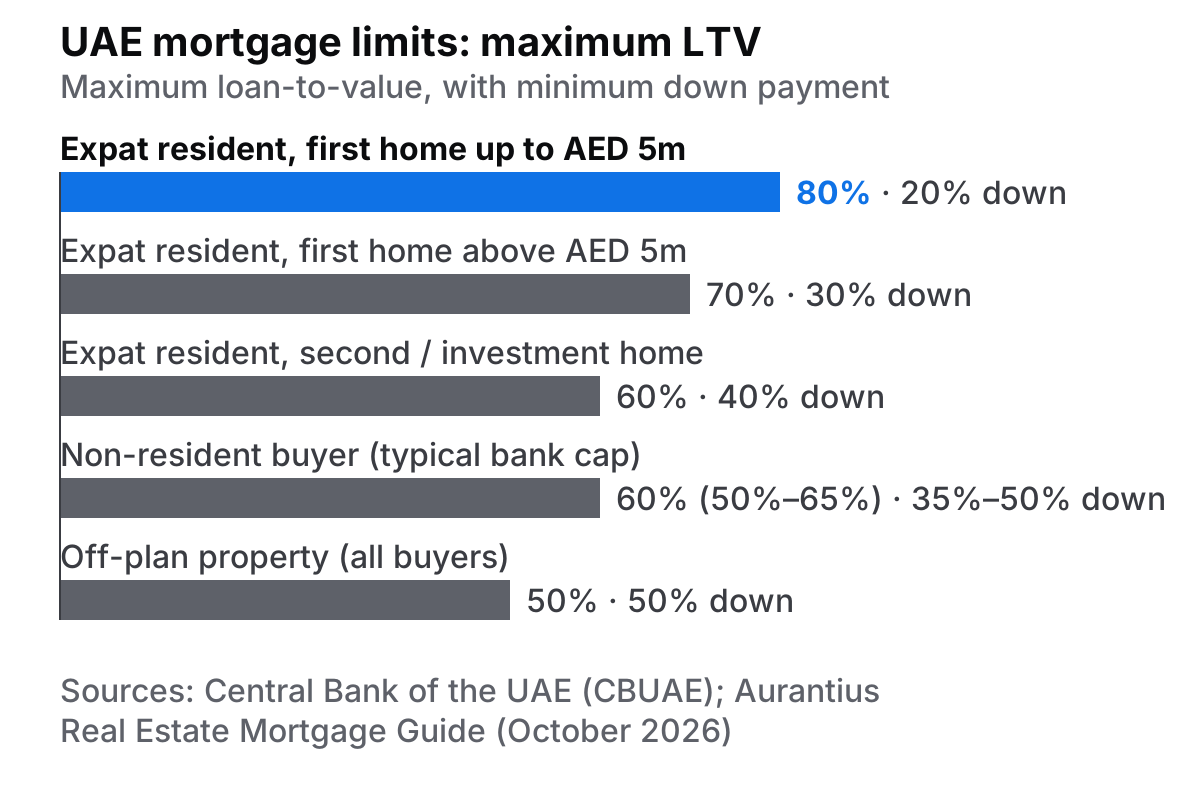
CBUAE guidelines cap borrowing for resident expatriates purchasing a first home at 80% Loan-to-Value (LTV) for properties valued up to AED 5 million, and 70% LTV above AED 5 million. Second or investment properties are capped at 60% LTV, and off-plan properties are restricted to 50% LTV across all categories. Debt-Burden Ratio (DBR) regulations limit total monthly debt repayments to 50% of gross monthly income, with maximum borrowing capped at 7 times annual income over a 25-year maximum tenure. Non-resident international buyers are typically restricted by commercial banks to between 50% and 65% LTV.
Residency pathways remain a central driver of property demand. Official UAE Government platform rules state that purchasing property worth AED 2 million or more (single or combined, off-plan or mortgaged) qualifies investors for a renewable 10-year Golden Visa in Dubai and Abu Dhabi. In April 2026, Dubai removed the previous requirement for a 50% minimum down payment on mortgaged properties for Golden Visa applications. Furthermore, Dubai eliminated the AED 750,000 floor for sole owners seeking a 2-year investor visa, establishing a minimum share requirement of AED 400,000 for joint owners.
For investors focused on short-term rentals, Dubai Department of Economy and Tourism (DET) regulations require a unit-specific Holiday Home permit prior to listing. Individual owners may hold permits for up to eight units simultaneously and must rent properties in their entirety. DET is waiving initial registration and permit renewal fees from 1 May 2026 until 30 April 2027. Operators remain responsible for remitting the Tourism Dirham fee, set at AED 10 per night for Standard units and AED 15 per night for Deluxe units per occupied bedroom for the first 30 consecutive nights.
How is new transport infrastructure reshaping UAE property hotspots between 2026 and 2032?
Major transport infrastructure commitments are altering capital growth profiles across the emirates by extending commuter catchments.
Etihad Rail marked a significant milestone on 30 September 2026 with the commencement of scheduled passenger services from Dubai Station, physically integrating residential markets across the seven emirates. In urban Dubai, tunnelling began in May 2025 on the AED 20.5 billion Dubai Metro Blue Line. Spanning 30 kilometres and 14 stations, the line is scheduled to open in 2029, connecting Dubai Creek Harbour, International City, and Dubai Silicon Oasis.
In Dubai South, the AED 128 billion expansion of Al Maktoum International Airport (DWC) is underway. Scheduled to complete its first phase and absorb all passenger operations from DXB by 2032, the project is supported by RTA plans for a 55-kilometre Airport Express rail link. Real estate professionals seeking to analyse catchment areas and live regional metrics can sign in to the CASAFARI platform to access current market intelligence.
Frequently asked questions
Can foreigners buy freehold property in the UAE?
Yes, non-resident foreign nationals can purchase 100% freehold property within designated investment zones across Dubai, Abu Dhabi, and Ras Al Khaimah. Under Abu Dhabi Law No. 13 of 2019, key freehold zones include Yas Island, Saadiyat Island, and Al Reem Island, while Dubai covers prime areas like Downtown and Palm Jumeirah. Buyers do not require UAE residency to complete a purchase, and non-resident mortgages are widely available at 50% to 65% LTV.
What are the property buying costs and taxes in Dubai and Abu Dhabi?
In Dubai, buyers pay a 4% Dubai Land Department (DLD) transfer fee, an AED 4,200 Registration Trustee fee (for properties over AED 500,000), AED 250 for the title deed, and a 2% plus VAT agency commission. In Abu Dhabi, the Department of Municipalities and Transport (DMT) charges a standard 2% registration fee plus AED 1,000 for title deed issuance. Individual property owners pay 0% personal income tax on rental yields, 0% capital gains tax, and 0% annual residential property tax.
How do you qualify for the UAE Golden Visa through real estate in 2026?
Foreign investors qualify for a renewable 10-year Golden Visa in Dubai and Abu Dhabi by acquiring real estate worth at least AED 2 million. This requirement can be satisfied through a single asset or a combined portfolio, including off-plan and mortgaged properties. In April 2026, Dubai removed the former 50% down-payment threshold on mortgaged properties, making it easier for leveraged buyers to apply.
What are the rules for short-term holiday lets in Dubai?
All short-term rental units in Dubai require a unit-specific Holiday Home permit from the Department of Economy and Tourism (DET) prior to marketing. Individual private owners can hold permits for a maximum of eight units at one time and must let complete properties rather than individual rooms. DET is waiving permit and registration fees from May 2026 to April 2027, though operators must still collect and remit the per-bedroom Tourism Dirham fee.