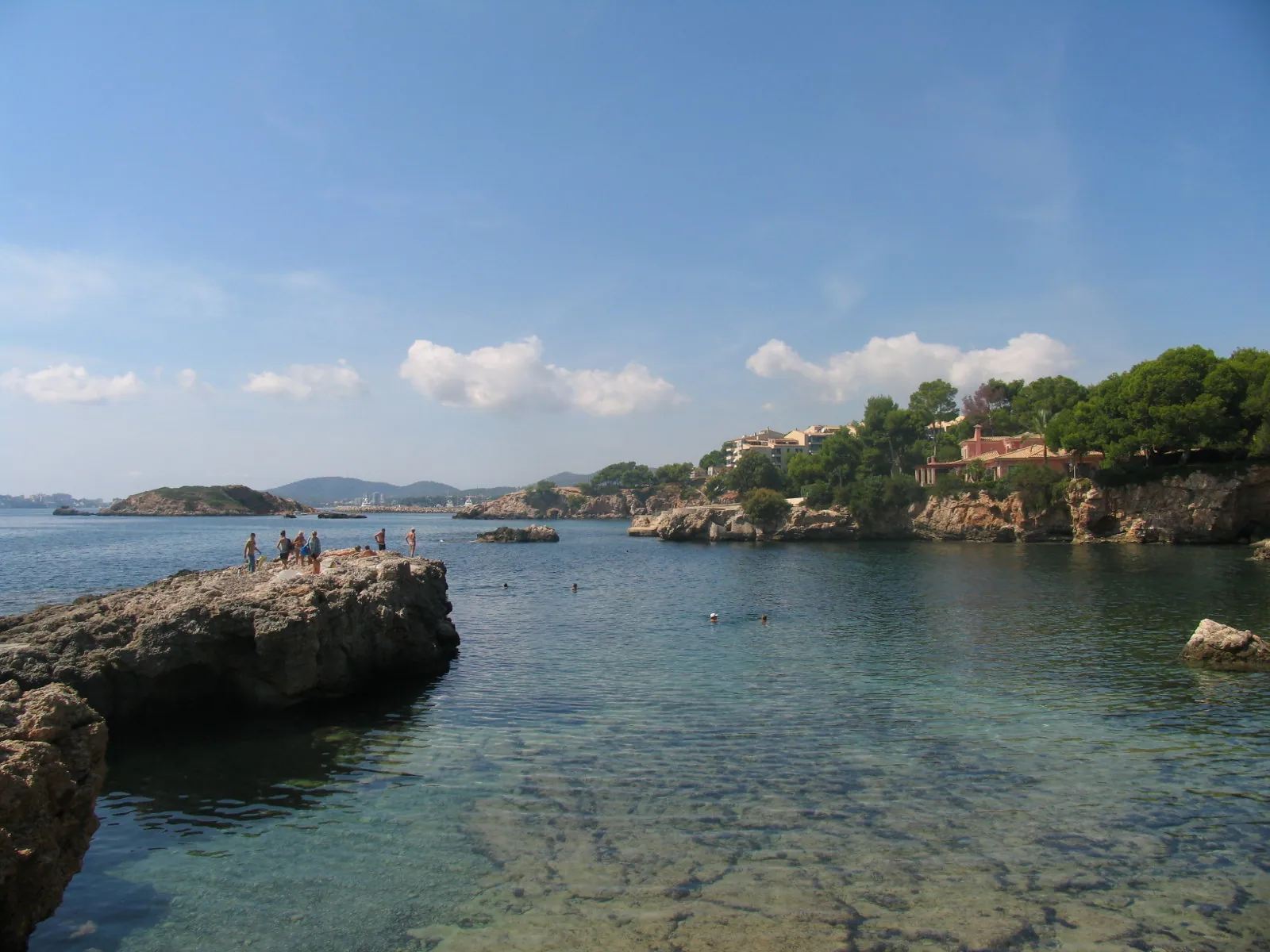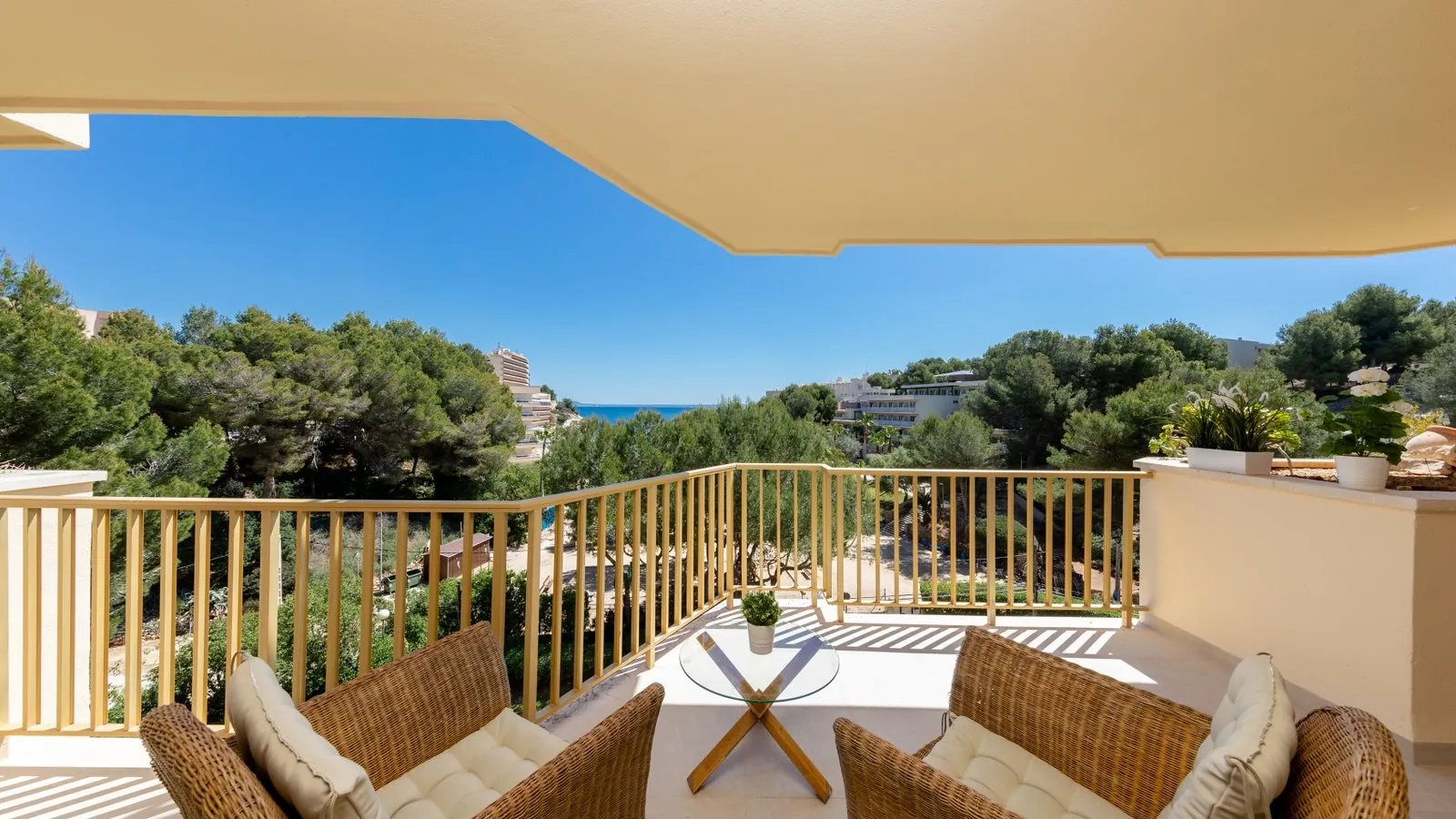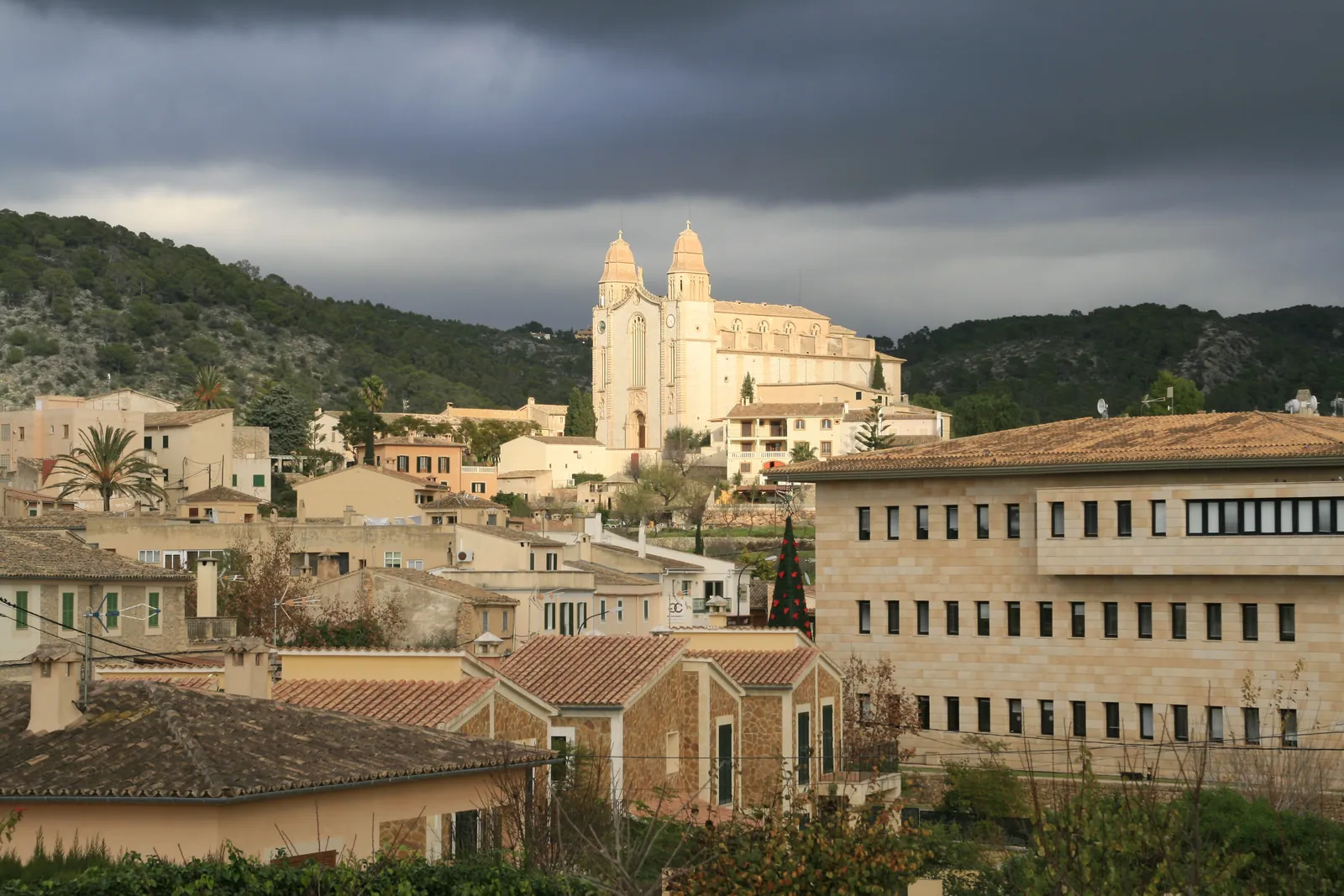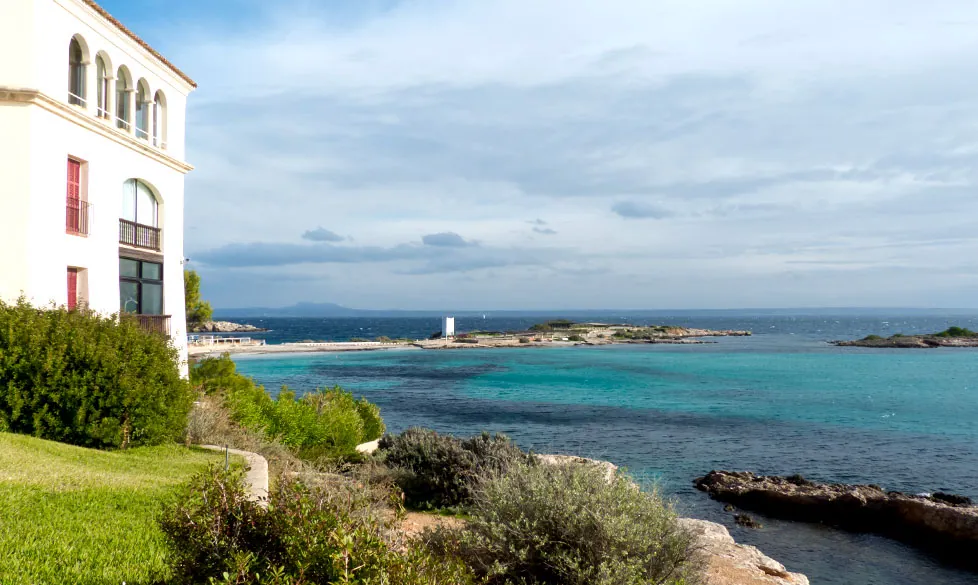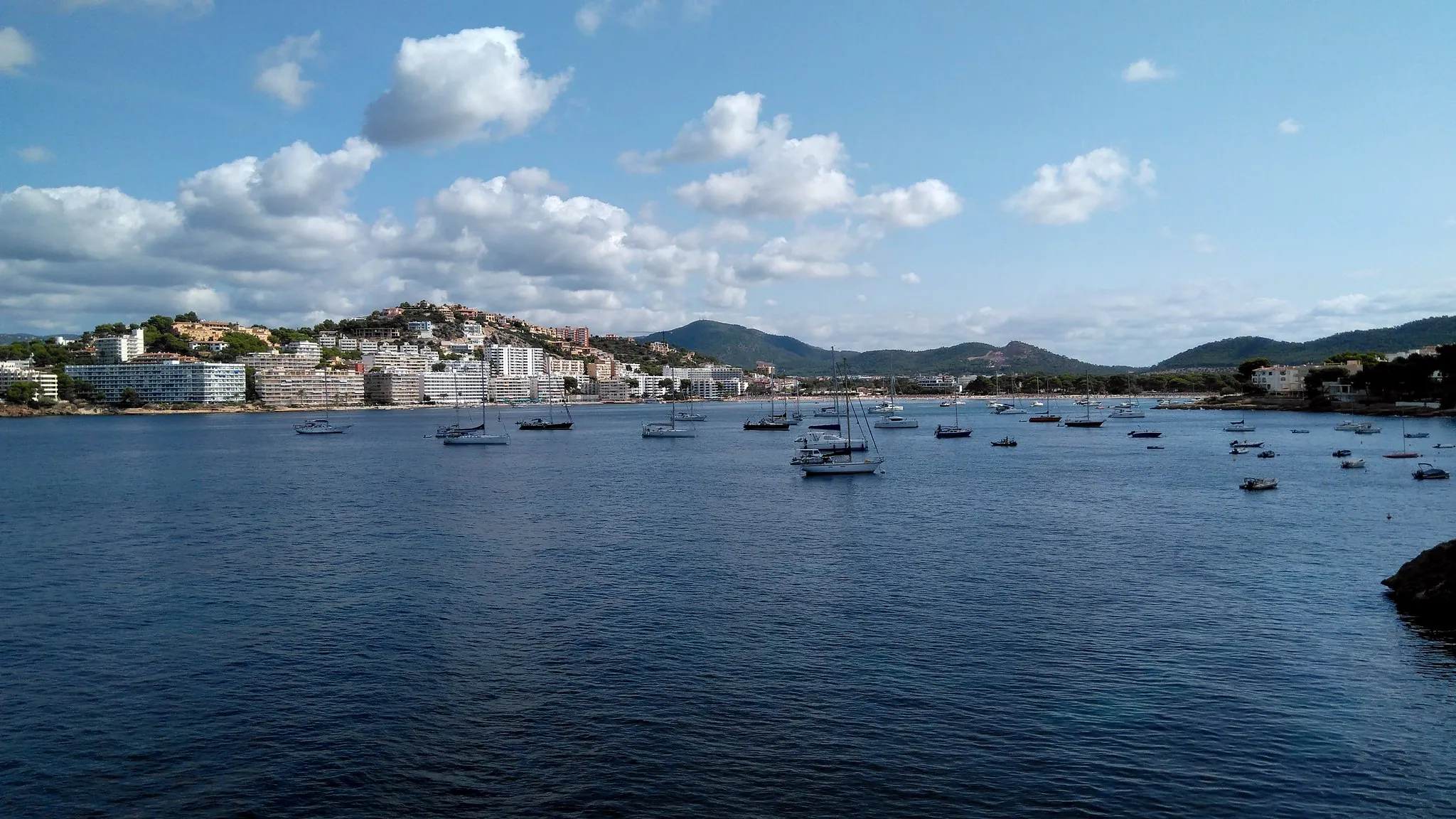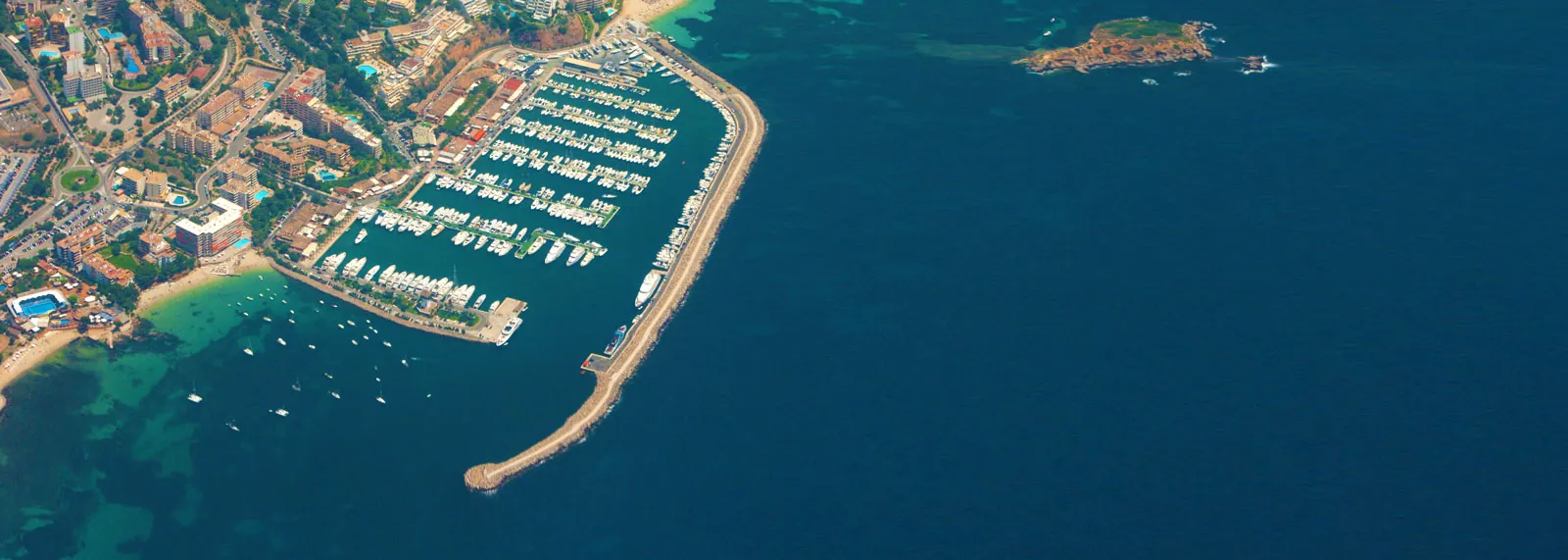
Calvià, stretching from the western border of Palma to the Serra de Tramuntana foothills, is home to 53,793 registered residents according to the Instituto Nacional de Estadística (INE) municipal register as of January 2025. Anchored by four marinas, five golf courses and three international schools, the municipality encompasses 18 distinct towns and coastal enclaves, establishing itself as south-west Mallorca’s premier year-round residential hub for international buyers and investors.
Why does Calvià anchor south-west Mallorca’s prime property market?
Over the past decade, Calvià has undergone a structural transformation. Once perceived by overseas buyers primarily as a summer holiday coastline, the municipality now functions as greater Palma’s principal international residential enclave. Its proximity to the capital, combined with established year-round infrastructure, attracts relocators, double-income families and international investors seeking primary or secondary residences in the Balearic Islands.
Because Calvià spans nearly 145 square kilometres of varied terrain—ranging from cliffside coastal plots to rustic mountain valleys—property characteristics and buyer profiles vary sharply between adjacent bays. Buyers and estate agents can review real-time municipal pricing trends on the live ticker on this page, or utilise CASAFARI Area Insights to evaluate hyper-local supply, pricing distribution and listing velocity across individual neighbourhoods.
Towns and villages of the Calvià region: how the 18 enclaves compare
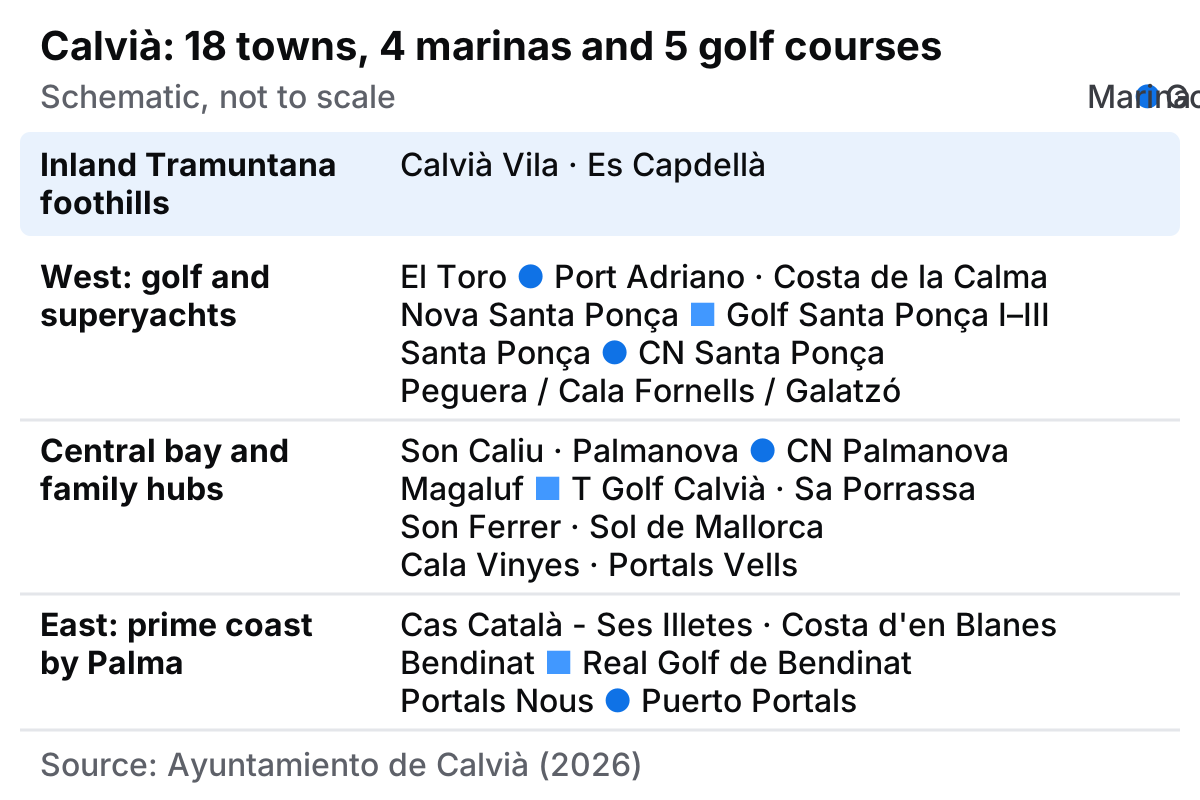
According to the official Ayuntamiento de Calvià directory of population centres, the municipality comprises 18 distinct population nuclei. For real estate professionals and buyers, these enclaves fall into four primary residential categories:
The eastern prime coast
Bordering the municipality of Palma, the eastern coastal strip represents some of the most established prime real estate in Mallorca:
- Cas Català - Ses Illetes: Situated closest to Palma, favoured for its seaside villas, quiet coves and rapid access to the capital.
- Bendinat: Home to the prestigious Real Golf de Bendinat, featuring luxury apartments in gated communities and high-end detached villas set along quiet hillside streets.
- Portals Nous & Puerto Portals: Centred around the world-renowned Puerto Portals marina, offering upscale penthouses, frontline coastal apartments and walking access to designer boutiques and restaurants.
- Costa d’en Blanes: A gated hillside residential district directly above Portals Nous, known for contemporary detached villas offering expansive south-facing sea views.
The superyacht and south-west golf corridor
Further west, the coastline broadens into master-planned residential domains catering to golf and nautical enthusiasts:
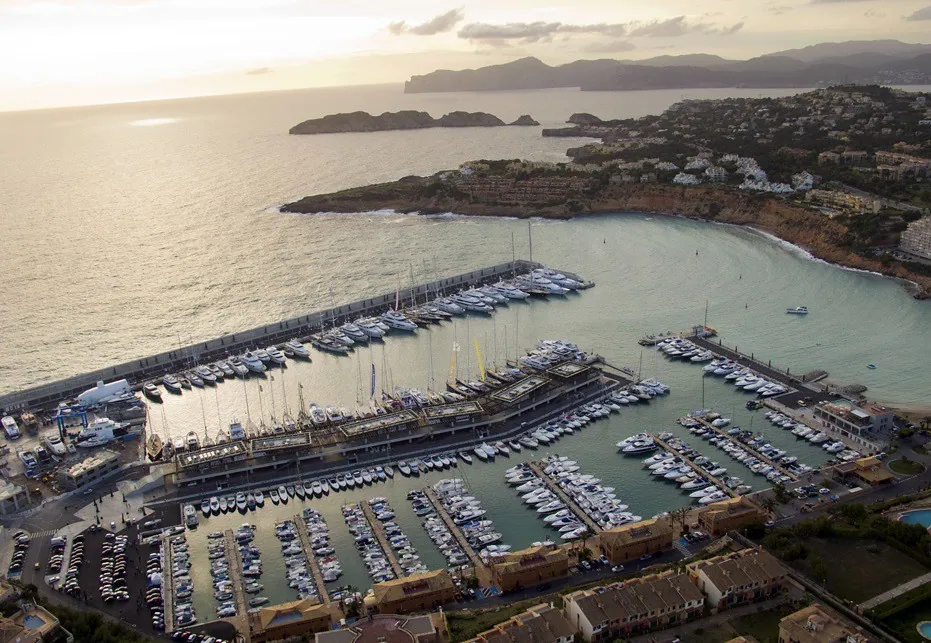
- El Toro: Anchored by the Philippe Starck-designed Port Adriano, featuring contemporary villas and harbour-facing apartments.
- Nova Santa Ponça: A low-density villa residential area built around Golf Santa Ponça I, II and III, popular with international buyers seeking privacy, generous plot sizes and modern architecture.
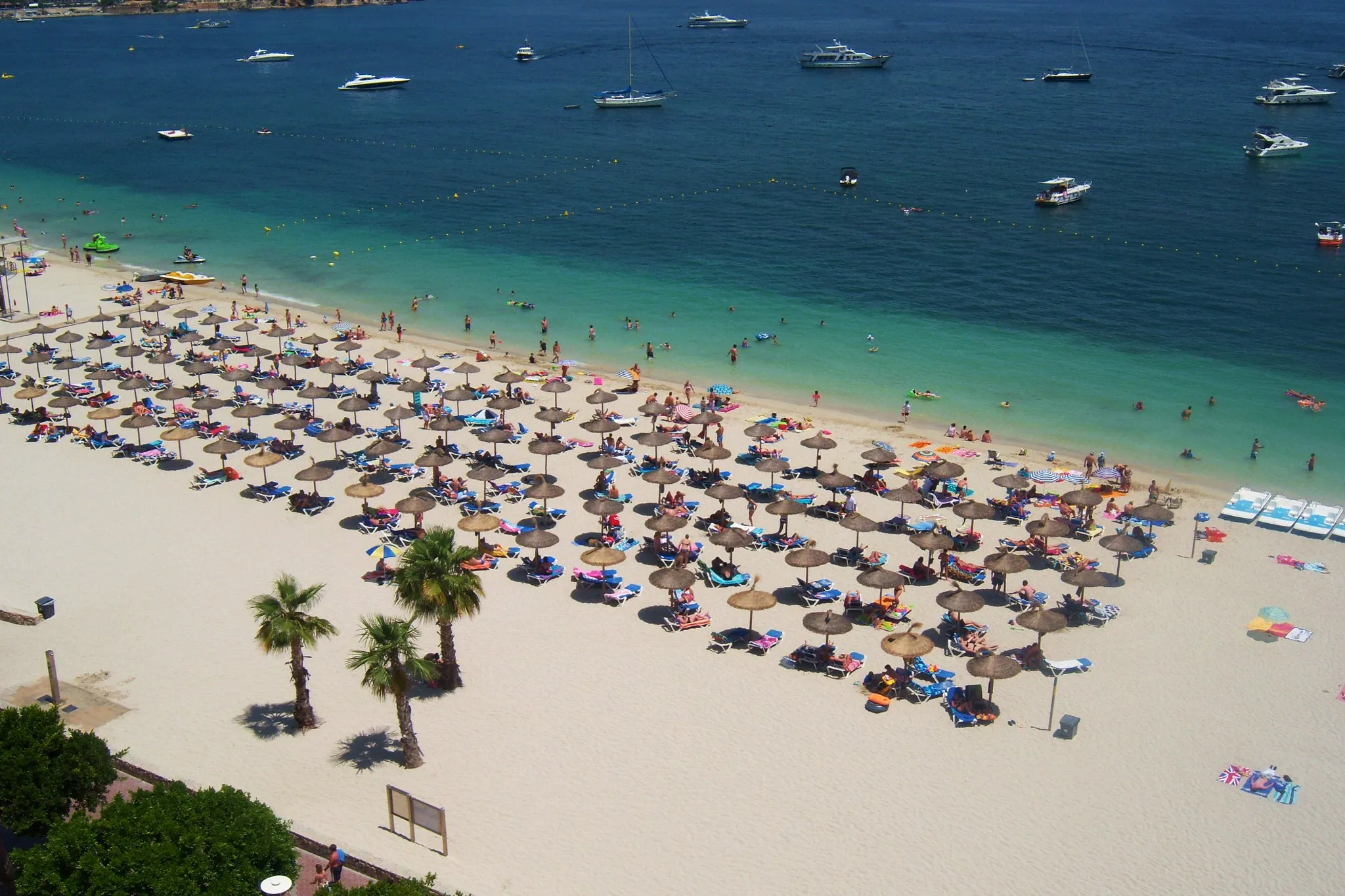
- Santa Ponça: A major year-round coastal town centred on a broad sandy bay and Club Náutico Santa Ponça, offering a mix of residential apartments, townhouses and family villas.
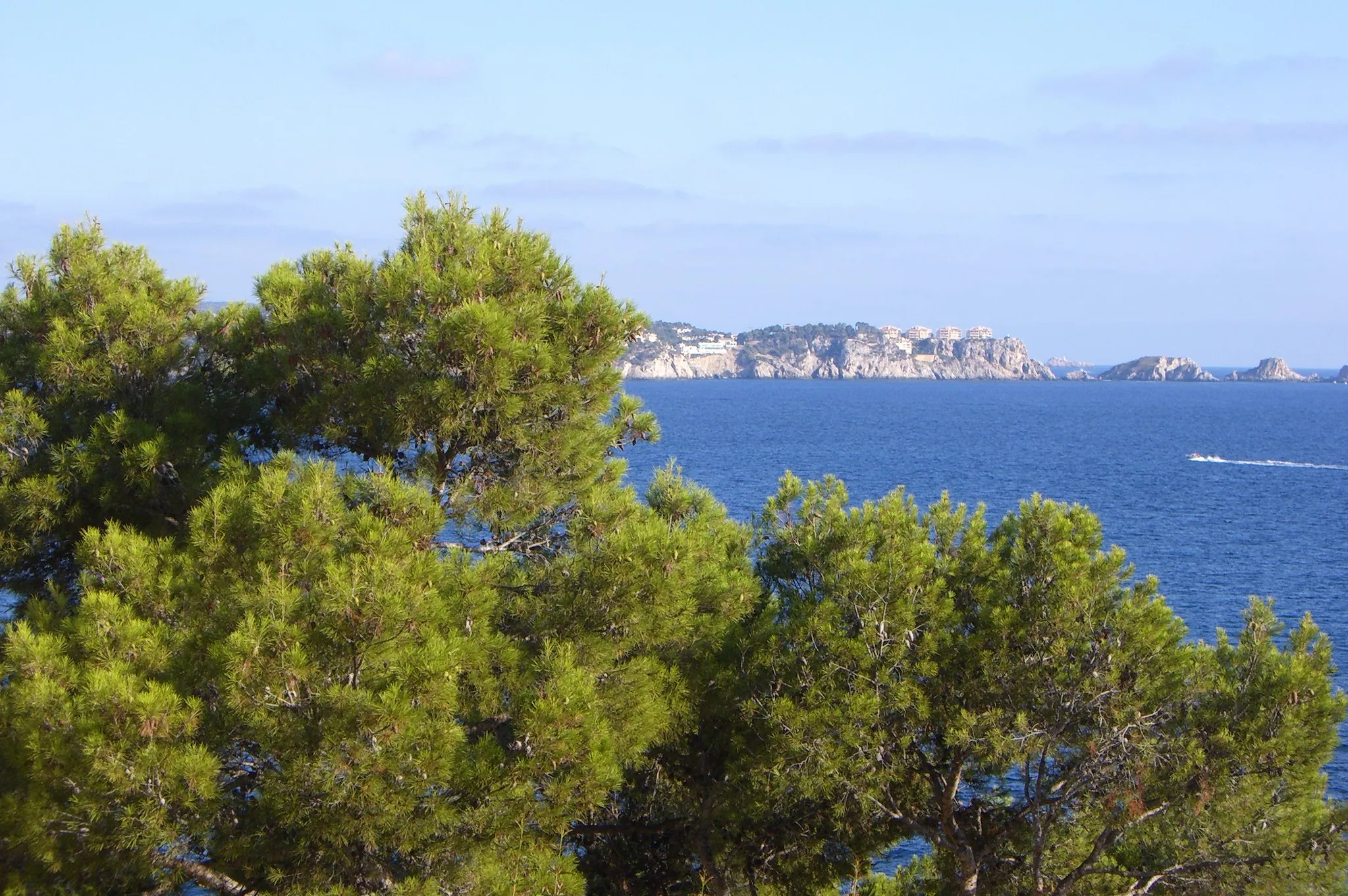
- Sol de Mallorca, Cala Vinyes & Portals Vells: Peaceful pine-forested coastal enclaves located on the Cala Figuera peninsula, characterised by secluded villas and low-rise residential complexes near quiet bays.
Year-round coastal and family hubs
- Palmanova & Son Caliu: Vibrant year-round seaside towns featuring pedestrianised beachfront promenades, Club Náutico Palmanova and a broad selection of residential apartments.
- Magaluf, Sa Porrassa & Son Ferrer: Magaluf continues its multi-year repositioning towards upscale hotel and residential standards, sitting adjacent to Golf de Poniente (T Golf Calvià). Inland, Son Ferrer and Sa Porrassa provide essential year-round services and family housing.
- Peguera, Cala Fornells & Costa de la Calma: Located in Calvià’s far west, offering dramatic cliffside architecture in Cala Fornells and quiet residential streets in Costa de la Calma.
Inland Tramuntana foothills
- Calvià Vila & Es Capdellà: The historic municipal seat of Calvià Vila and the neighbouring village of Es Capdellà sit at the base of the UNESCO-listed Tramuntana mountains. They are highly sought after for traditional stone townhouses, restored fincas and rural privacy within a 15-minute drive of the coast.
International schools, marinas, golf and transport connections to Palma
Calvià’s appeal as a permanent home for international families is reinforced by its concentration of top-tier educational institutions. As of 2026, the municipality hosts three established international schools:
- Agora Portals International School: Located in Portals Nous, offering the International Baccalaureate (IB) Primary Years and Diploma Programmes alongside the Spanish national curriculum.
- King Richard III College: Also in Portals Nous, providing a traditional British curriculum from nursery level through IGCSEs and A-Levels.
- Baleares International College (Sa Porrassa Campus): Delivering the British National Curriculum to students aged 3 to 18 on a dedicated campus near Magaluf.
Transport infrastructure seamlessly links Calvià to the rest of the island. The Ma-1 motorway provides a direct 15-to-20-minute connection to central Palma. Public transit is served by the TIB Ponent bus network (lines 101 to 108), providing frequent connections between Calvià’s coastal towns and Palma’s Intermodal Station. Additionally, the year-round TIB Aerotib A11 airport bus timetable connects Peguera directly to Palma Airport during winter, extending its route through Camp de Mar, Santa Ponça, Palmanova, Portals Nous and Bendinat from spring through autumn.
Property taxes, ETV holiday rental rules and rental yields in Calvià
Acquiring and holding property in Calvià requires a clear understanding of Balearic tax regulations and municipal planning frameworks.
Property purchase taxes and wealth tax allowances
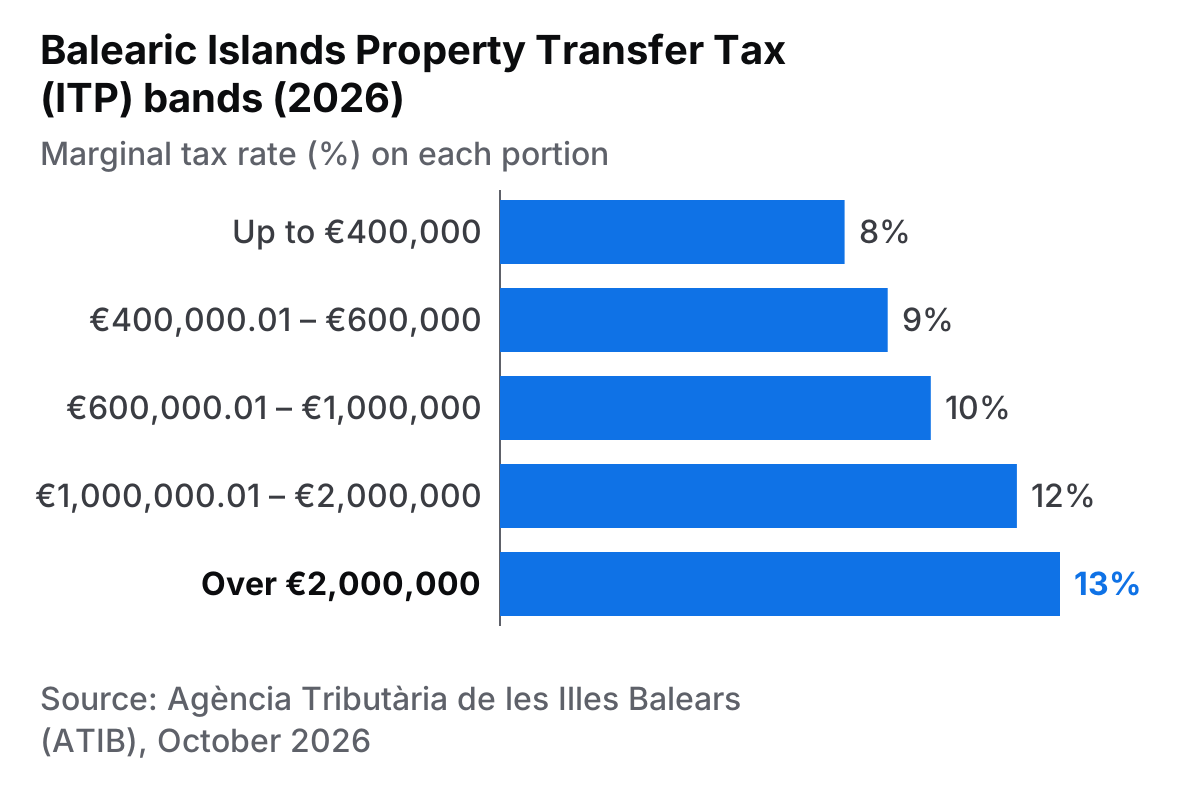
When buying resale residential property in Calvià, purchasers pay the progressive Balearic Property Transfer Tax (ITP). According to the Balearic Tax Agency (ATIB) Property Transfer Tax scale, the 2026 rates apply across marginal bands:
- 8% on the portion up to €400,000
- 9% on the portion between €400,000.01 and €600,000
- 10% on the portion between €600,000.01 and €1,000,000
- 12% on the portion between €1,000,000.01 and €2,000,000
- 13% on any portion exceeding €2,000,000
Documented Legal Acts (AJD) stamp duty stands at a general rate of 1.5%, rising to 2.0% for properties valued at €1,000,000 or more. At the local level, the Calvià municipal tax ordinances (IBI) set the annual real estate tax rate at 0.495% for both urban and rustic properties in 2026.
For high-net-worth investors, the Balearic Islands offer an advantageous regional Wealth Tax structure. Under the ATIB Balearic Wealth Tax bands and €3 million exemption, tax-payers benefit from a regional tax-free threshold of €3,000,000 (applicable to Balearic residents and to non-residents who elect the regional scale), plus an additional €300,000 primary residence exemption for tax residents.
Short-let restrictions (ETV) vs long-term residential rentals
Short-term holiday letting in Mallorca is strictly regulated. Under Balearic Decree-Law 4/2025 and Organic Law 1/2025, administered via the Consell de Mallorca Tourist Accommodation Consortium (CBAT), there is a permanent ban on issuing new ETV holiday rental licences for apartments (multi-family buildings) across Calvià. New licence allocations from the Consell’s limited replacement pool are restricted exclusively to detached villas (€3,500 per bed), semi-detached or terraced houses (€875 per bed), or 60-day primary residence authorisations (€291.67 per bed) in designated eligible zones. Furthermore, any new holiday rental application requires explicit approval from a 3/5 majority of the building’s homeowners’ association and mandatory entry in Spain’s national short-let registry (NRUA).
Conversely, Calvià’s long-term residential rental sector experiences robust demand. The Fotocasa Rental Price Index for Calvià recorded an average residential rent of €22/m² per month in October 2026, representing a 6.6% year-on-year increase. Rental values reached their highest municipal averages in Cas Català - Illetes (€25/m²), Portals Nous (€24/m²) and Palmanova (€24/m²). Investors seeking further details on national purchasing procedures can consult our guide to buying property in Spain.
Abolition of the Golden Visa
Investors should note that Spain’s real estate Golden Visa scheme is no longer active. Following publication of Organic Law 1/2025 in the Boletín Oficial del Estado (BOE), the residency-by-investment provision for real estate purchases above €500,000 was formally repealed on 3 April 2025. Non-EU buyers relocating to Calvià now predominantly utilize standard Non-Lucrative Visas or Digital Nomad Visas.
How estate agents and investors analyse Calvià at micro-market level with CASAFARI
Because valuation dynamics vary dramatically between a frontline villa in Bendinat, a golf apartment in Nova Santa Ponça and a village home in Es Capdellà, relying on broad municipal averages can lead to pricing errors. Real estate professionals operating in south-west Mallorca require granular, real-time data to identify true market values.
By leveraging CASAFARI Area Insights, property sourcing professionals and listing agents can track inventory levels, average time on market, and price changes across all 18 of Calvià’s population centres. Combining this with Property Sourcing across every portal in Mallorca ensures agents capture off-market and active listings without duplicate records, while our tools generate an accurate property valuation and market study based on verified historical comparables. For property owners considering a disposition, review our detailed guide on how to sell a property in Mallorca.
Real estate professionals, fund managers and developers looking to integrate real-time Balearic property data into their systems are invited to sign in to the CASAFARI platform or explore the technical CASAFARI Area Insights API documentation (in English).
Frequently asked questions
Can you get a holiday rental licence (ETV) for a property in Calvià?
Under Balearic Decree-Law 4/2025, new ETV holiday rental licences are permanently banned for apartments in multi-family buildings across Calvià and all of Mallorca. For detached or semi-detached houses in eligible zones, new licences can only be acquired when the Consell de Mallorca opens limited replacement pools from deactivated places, priced at €3,500 per bed for single-family villas. Any new tourist rental also requires explicit approval from a 3/5 majority of the homeowners’ association and mandatory registration in Spain’s national short-let registry (NRUA).
What are the property purchase taxes and wealth tax thresholds in Calvià?
Buyers of resale residential property in Calvià pay Balearic Property Transfer Tax (ITP) on a progressive scale ranging from 8% on the first €400,000 up to 13% for amounts exceeding €2,000,000, plus AJD stamp duty between 1.5% and 2.0%. Annual municipal property tax (IBI) in Calvià is set at 0.495% for urban real estate. For wealth tax purposes, the Balearic Islands provide a regional tax-free allowance of €3,000,000 per person for both residents and non-residents who elect the regional scale.
Has Spain ended the Golden Visa for property buyers in Mallorca?
Yes, Spain has officially ended the Golden Visa scheme for real estate buyers. Under Organic Law 1/2025 published in the BOE, the residency route via real estate investments over €500,000 was repealed effective 3 April 2025. Non-EU nationals acquiring property in Calvià now typically apply for alternative residency visas, such as the Non-Lucrative Visa or Digital Nomad Visa.
Which international schools are located in the municipality of Calvià?
The municipality of Calvià hosts three established international schools serving students up to age 18: Agora Portals International School in Portals Nous (offering the IB programme alongside the Spanish curriculum), King Richard III College in Portals Nous (following the British National Curriculum to IGCSE and A-Level), and Baleares International College on its Sa Porrassa campus near Magaluf (delivering a British curriculum).