
PORTO PI PROPERTY GUIDE
Historical port area and commercial centre
Porto Pi (Portopí) sits at the western gateway of Palma de Mallorca’s newly pedestrianised Paseo Marítimo within the Ponent district. As part of the broader Sta Catalina - Son Armadans - Maritim zone (location id 3688835), CASAFARI Area Insights record Q3 2026 average asking prices of €6,688/m² for apartments and €7,766/m² for houses. This evolving maritime neighbourhood combines medieval fortifications with contemporary waterfront living, offering exceptional connections to the city centre and the wider Palma de Mallorca property guide.
Where is Porto Pi and how is it connected to the rest of Palma?
Statistical zone 16 of Palma’s Distrito Ponent encompasses Portopí, housing approximately 3,067 residents within the broader municipal population of 434,786 inhabitants recorded by the IBESTAT municipal census data in 2025. The neighbourhood is framed by El Terreno to the east, the hillside of La Bonanova above, and Cala Major to the southwest.
Waterfront connectivity was radically enhanced by the November 2025 completion of the €63+ million Paseo Marítimo transformation by the Port Authority of the Balearic Islands (APB), announced by the Ministry of Transport announcement on the Paseo Marítimo transformation. This project converted a 3.5-kilometre traffic artery from Avenida Argentina to Portopí and Torre de Paraires into a landscaped, pedestrian-prioritised boulevard. Public transport is anchored by EMT Palma bus Line L1 (Portopí – Sindicat), which serves the Estacions Marítimes, Rotonda de Portopí, Museu Sant Carles, and Dic de l’Oest, connecting smoothly at Passeig Mallorca with the A1 airport express.
What is everyday life like around the historic harbour of Portopí?
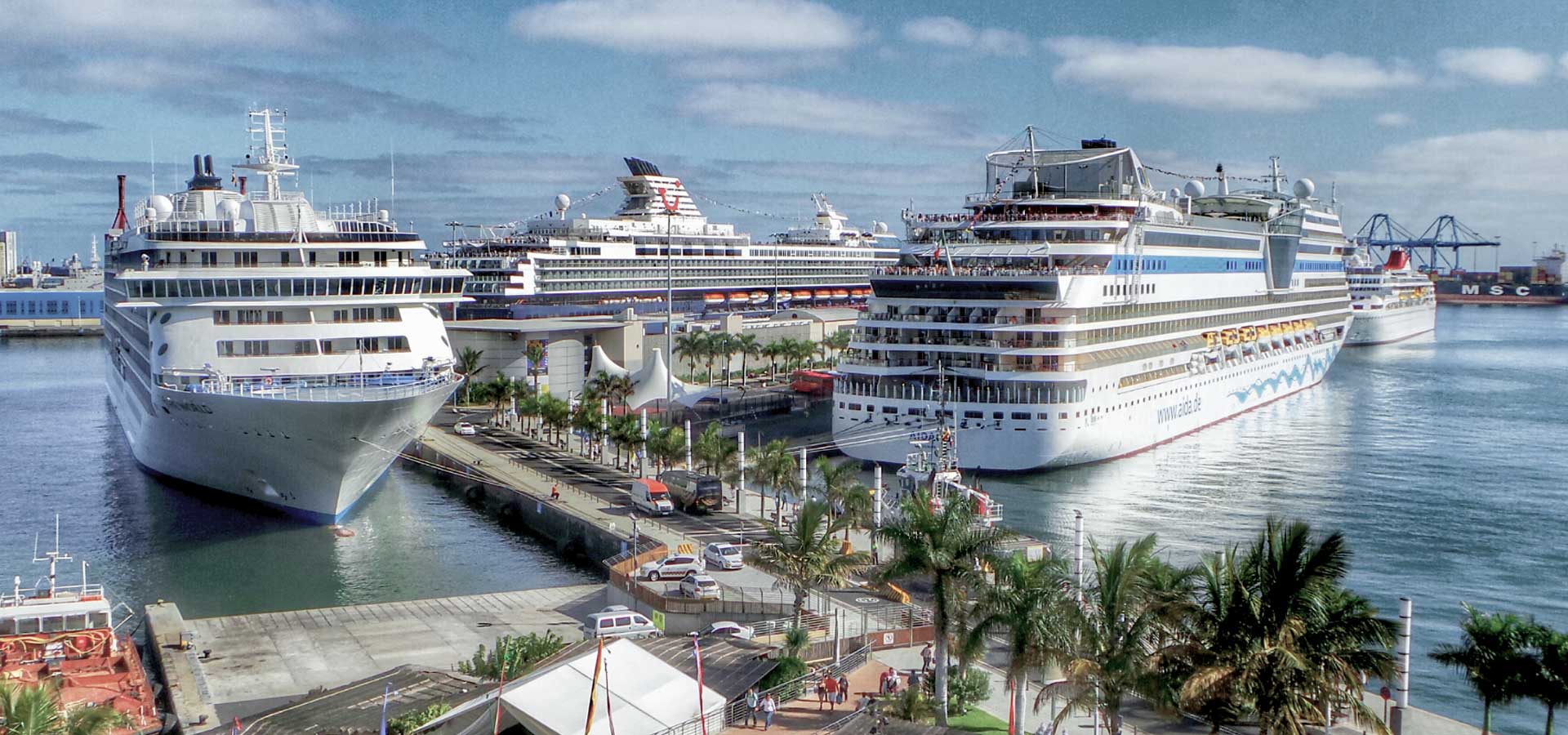
Portopí balances centuries of maritime history with modern urban convenience. The natural harbour is watched over by the medieval Torre de Paraires, the historic Faro de Portopí (Torre de Señales), and the 17th-century Castillo de San Carlos, which houses the Military History Museum. Daily life benefits from the open-air Porto Pi Centro shopping complex situated at the top of Avenida Joan Miró, immediate access to the sandy cove of Cala Major, and proximity to the sailing facilities of the Real Club Náutico de Palma.
The rhythm here is quieter and more residential than central nightlife hubs, attracting year-round residents, maritime professionals, and international families who value direct sea views alongside rapid ring-road (Ma-20) access to international schools and Palma Airport. For broader insights into relocating to the region, read our complete guide to buying property in Spain.
What kind of housing stock defines Porto Pi and who buys here?
Property in Porto Pi ranges from frontline apartment towers and terraced residential complexes stepped into the hillside to low-rise developments climbing towards La Bonanova. Most apartments feature wide sea-facing terraces, communal swimming pools, and secure underground parking. Detached villas and older townhouses also appear along the upper slopes.
The buyer profile comprises Northern European executives, yacht captains, and professionals transitioning from holiday homes to permanent or extended second residences, encouraged by the pedestrianisation of the waterfront. Older 1970s and 1980s frontline flats undergoing deep interior refurbishment command substantial premiums once brought up to modern energy-efficiency and design standards. Property owners planning an eventual exit can also consult our guide on selling a property in Mallorca.
How are property prices performing in Porto Pi and the Maritim corridor?
Tracking market values requires noting that Porto Pi is indexed within the broader Sta Catalina - Son Armadans - Maritim zone (location id 3688835) in CASAFARI Area Insights. According to listings indexed by CASAFARI (outliers excluded) in Q3 2026, apartments for sale recorded an average asking price of €6,688/m², representing a 9.0% increase year on year compared to €6,137/m² in Q3 2025. Meanwhile, houses for sale averaged an asking price of €7,766/m² in Q3 2026, remaining stable (+0.5% year on year) against €7,725/m² in Q3 2025.
Asking prices along the newly regenerated Maritim corridor reflect strong seller confidence for prime waterfront assets. However, these figures represent asking prices from active marketing listings rather than completed transactions. Official closing prices from the Colegio de Registradores, Consejo General del Notariado, and API Baleares recorded an average real closing price of €4,202/m² across Palma municipality and €4,173/m² across the Balearic Islands in Q1 2026, illustrating the distinct coastal premium commanded by frontline properties.
Which taxes, licences and legal rules apply to buyers in Porto Pi in 2026?
Acquiring residential property in the Balearic Islands involves specific regional taxes and regulatory frameworks managed by the Balearic Tax Agency (ATIB) ITP tax brackets. Resale residential purchases incur a progressive Property Transfer Tax (ITP) ranging from 8% up to €400,000; 9% from €400,000.01 to €600,000; 10% from €600,000.01 to €1,000,000; 12% from €1,000,000.01 to €2,000,000; and 13% for amounts exceeding €2,000,000. New-build properties attract 10% VAT plus 1.5% Stamp Duty (AJD).
For wealth taxation, Law 12/2023 establishes a €3,000,000 minimum exempt threshold in the Balearic Islands, which non-resident buyers may also elect to apply if they meet regional asset criteria. On the rental front, Palma maintains a total freeze on new short-term tourist rental licences (ETV) in multi-family apartment buildings, capping citywide licences at 639 with no replacements, a measure reinforced by Balearic Decree-Law 4/2025. Furthermore, Spain’s real estate Golden Visa scheme was officially repealed under Organic Law 1/2025 ending the real estate Golden Visa on 3 April 2025.
How do buyers, investors and agents analyse Porto Pi with CASAFARI?
Real estate professionals evaluating opportunities in Porto Pi rely on granular data to cut through market noise. Using CASAFARI Area Insights, agents track supply volumes, historical asking-price shifts, and average days on market across Palma’s western waterfront. Developers and portfolio managers build precise comparative market analyses using property valuation and market study tools, benchmarking active listings against historical closing data.
Buyers’ agents aggregate fragmented inventory across multiple local agencies in a single interface with CASAFARI Property Sourcing. To explore these tools, sign in to the CASAFARI platform or review technical integration guides in the Area Insights API and MCP documentation.
Frequently asked questions
Do non-EU buyers need a military permit to buy property in Porto Pi?
Non-EU citizens, including British and US buyers, do not require military authorisation from the Spanish Ministry of Defence to purchase residential apartments, penthouses, or townhouses in Porto Pi. Although the area hosts naval installations and the historic Castillo de San Carlos, Law 8/1975 exempts properties situated on designated urban land (suelo urbano). Military permits remain mandatory only for acquisitions on rural or non-developable land (suelo rústico).
Can you get a tourist rental licence for an apartment in Porto Pi?
New short-term tourist rental licences (ETV) are completely prohibited for multi-family apartments in Palma de Mallorca. Palma maintains its existing cap at 639 licences citywide with no replacement slots, and Balearic Decree-Law 4/2025 bans the creation of new tourist rental places in apartment buildings across the islands. Consequently, investors in Porto Pi apartments must concentrate on long-term residential leasing or compliant seasonal lets under the Urban Leases Act (LAU).
What is the property transfer tax (ITP) when buying a home in Mallorca?
Resale residential acquisitions in the Balearic Islands are subject to a progressive Property Transfer Tax (ITP) overseen by the ATIB. The general marginal tariff is 8% on the first €400,000, 9% between €400,000.01 and €600,000, 10% between €600,000.01 and €1,000,000, 12% between €1,000,000.01 and €2,000,000, and 13% on any portion exceeding €2,000,000. Newly constructed properties incur 10% VAT plus 1.5% Stamp Duty (AJD).
Does buying a property in Mallorca still grant a Spanish Golden Visa?
Spain officially abolished the residency-by-investment programme for real estate purchases on 3 April 2025 following the enactment of Organic Law 1/2025. Non-EU buyers purchasing residential property in Porto Pi valued above €500,000 can no longer obtain residency through real estate acquisition and must instead pursue standard immigration pathways, such as the non-lucrative visa or the digital nomad visa.
Is Porto Pi suitable for families and year-round living?
Porto Pi attracts a steady mix of international families, maritime professionals, and year-round residents who prefer a quieter environment than the city’s main nightlife hubs. Families benefit from convenient access to international schools via the Ma-20 ring-road and the proximity to the sandy cove of Cala Major.
What type of property offers the best potential in Porto Pi?
Frontline apartments from the 1970s and 1980s, particularly those undergoing deep interior refurbishment to modern energy-efficiency and design standards, are highly sought after. These properties often feature wide sea-facing terraces and benefit from the recent pedestrianisation of the Maritim corridor, which has significantly enhanced the appeal of the waterfront.