
DEIA PROPERTY GUIDE
A Mecca for artists and a bohemian chic celebrity retreat
Buying property in Deià, Mallorca, means navigating a tightly controlled luxury micro-market under the 1,064-metre peak of Puig des Teix. With just 753 residents and 36.39% foreign nationals according to the Instituto Nacional de Estadística (INE) municipal register, strict UNESCO heritage rules cap new residential construction, while Balearic transfer tax (ITP) reaches 13% on purchases over €2 million.
Why do international buyers choose property in Deià, Mallorca?
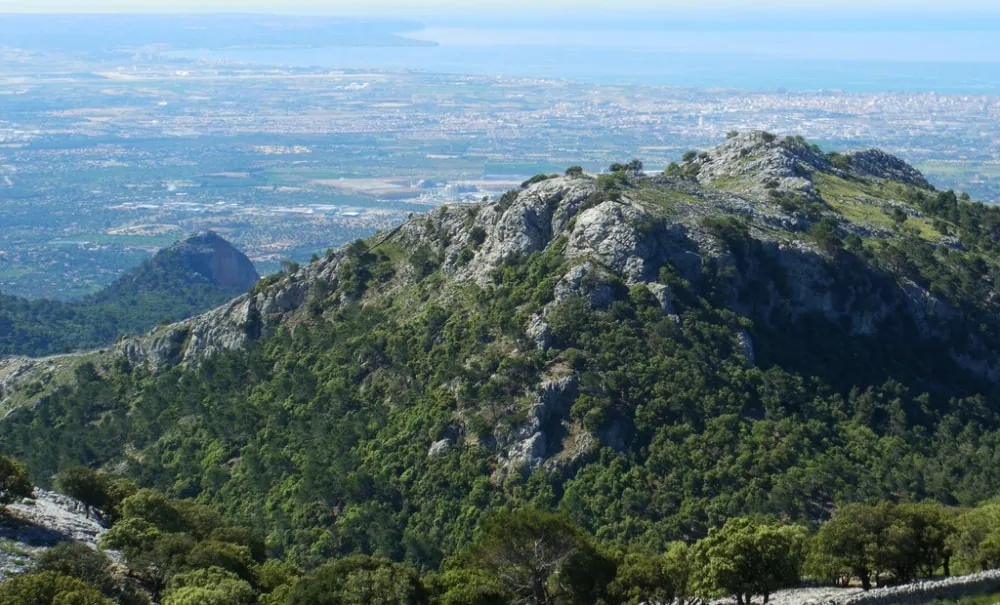
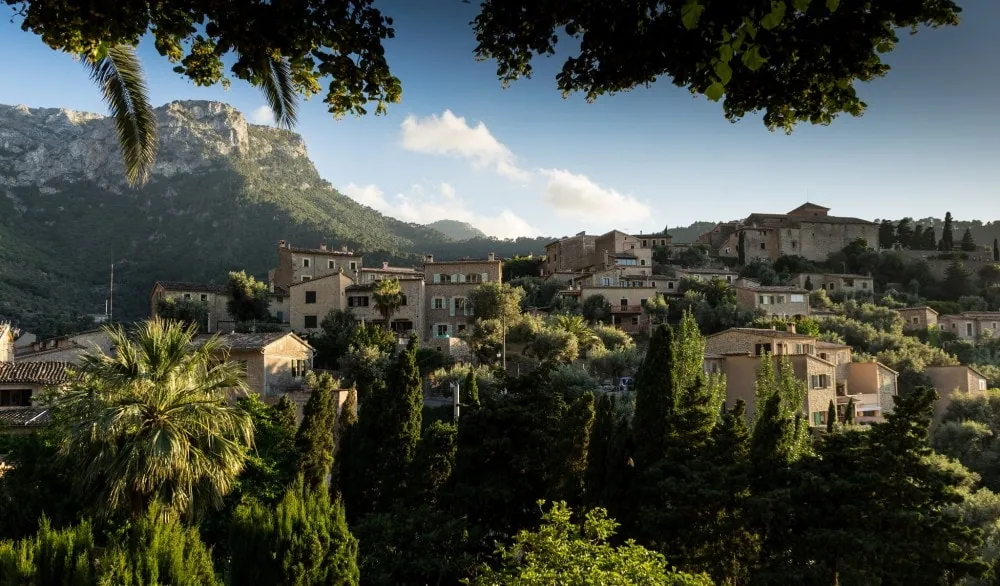
Deià represents a rare intersection of coastal landscape, architectural heritage, and inventory scarcity. Nestled in the Serra de Tramuntana mountain range below Puig des Teix, the village has long attracted international buyers seeking privacy and historic character. Official figures from INE and IBESTAT show that Deià has a registered population of 753 inhabitants, with foreign nationals comprising 36.39% (approximately 274 residents). This official census data provides a clear picture of the municipal demographic, offering a balanced contrast to claims that foreign residents make up half the permanent population.
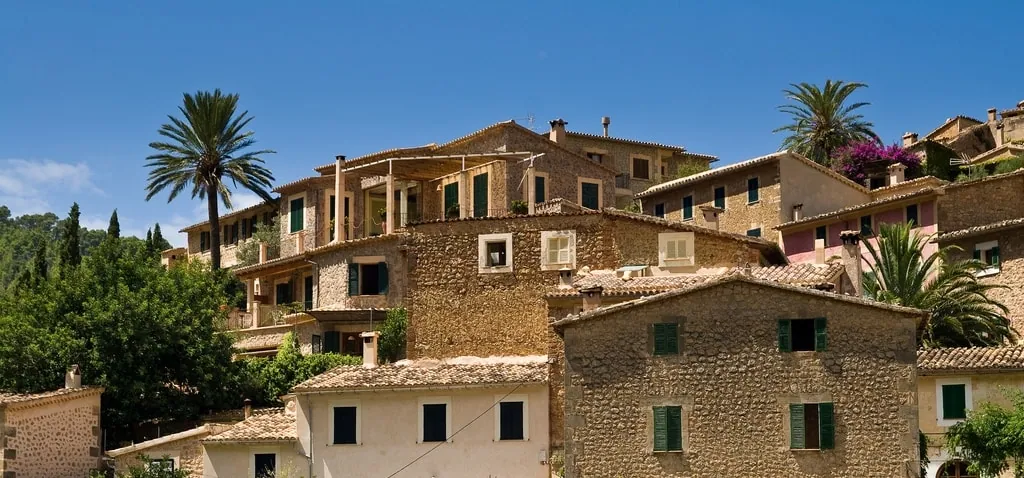
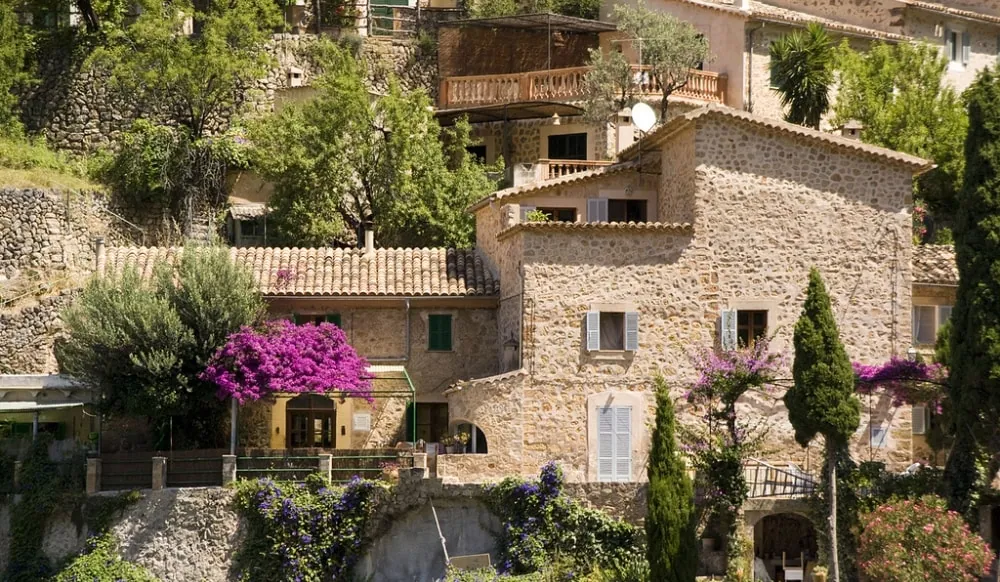
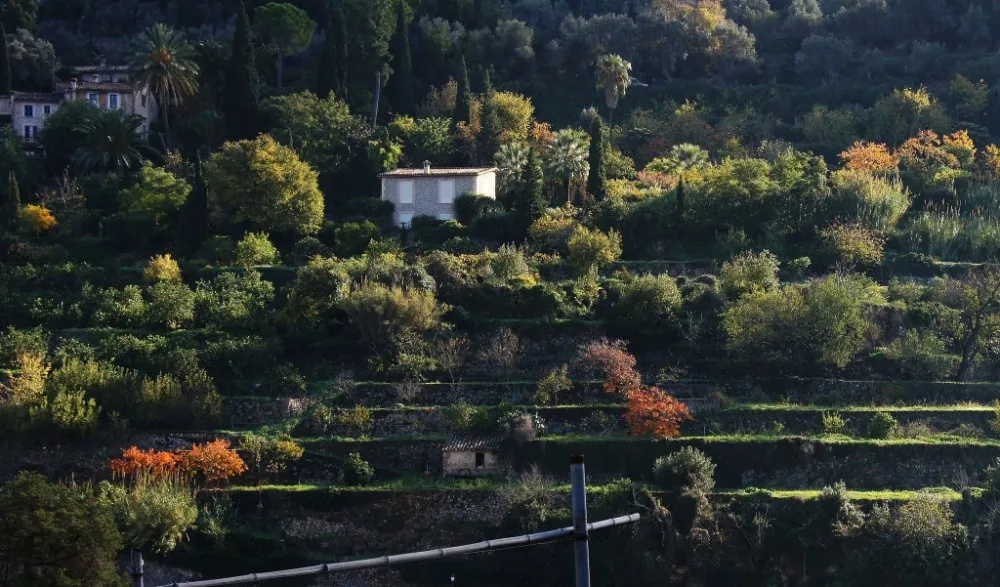
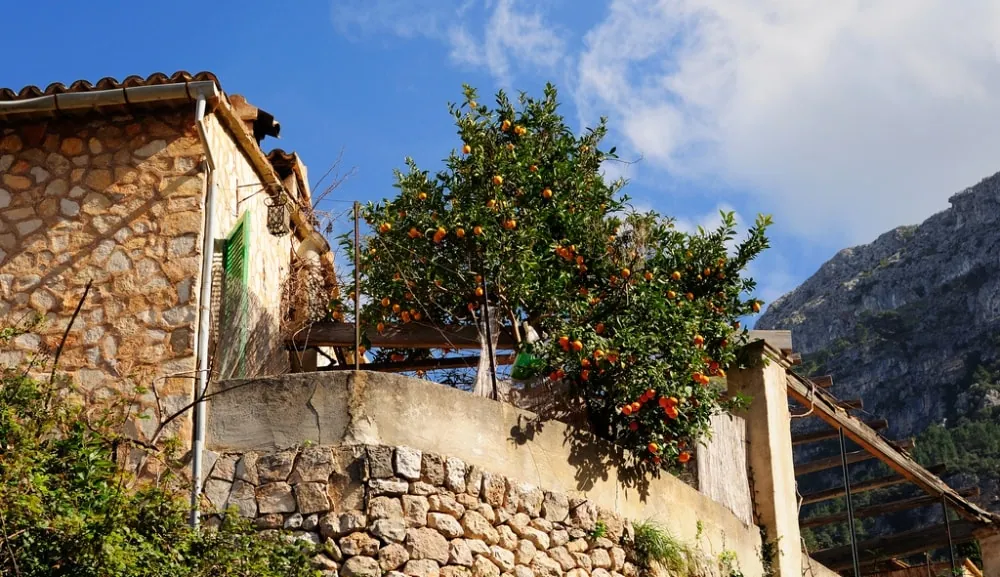
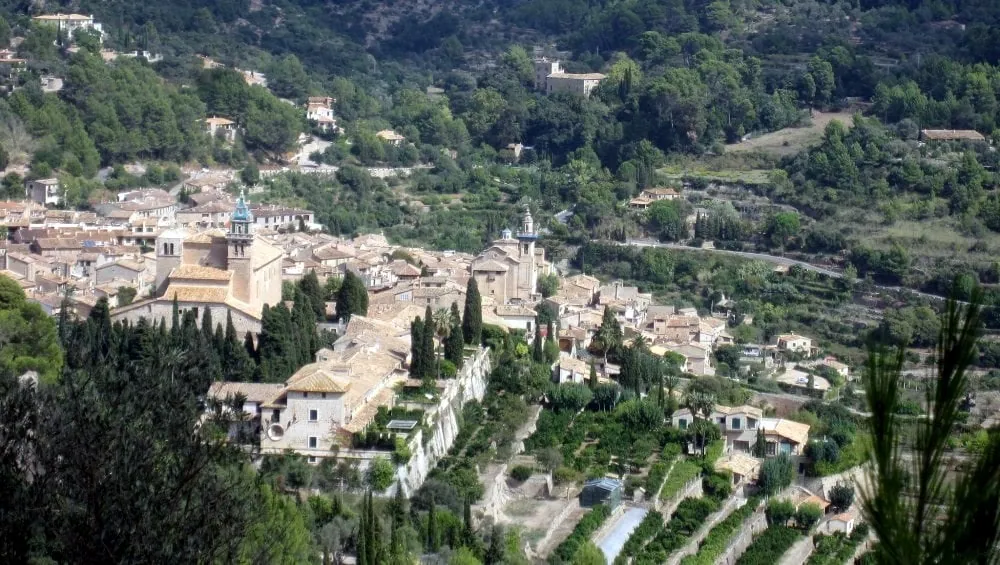
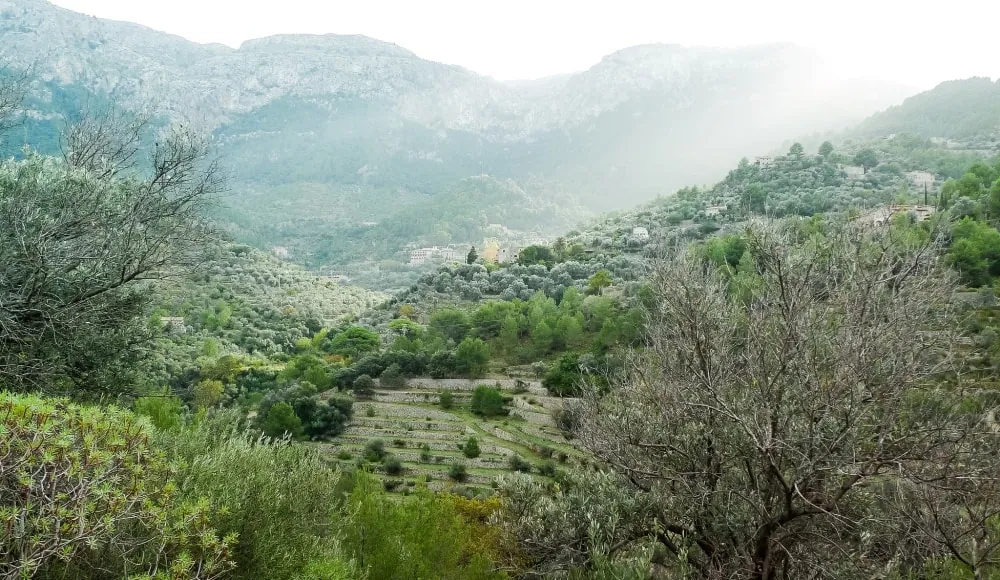
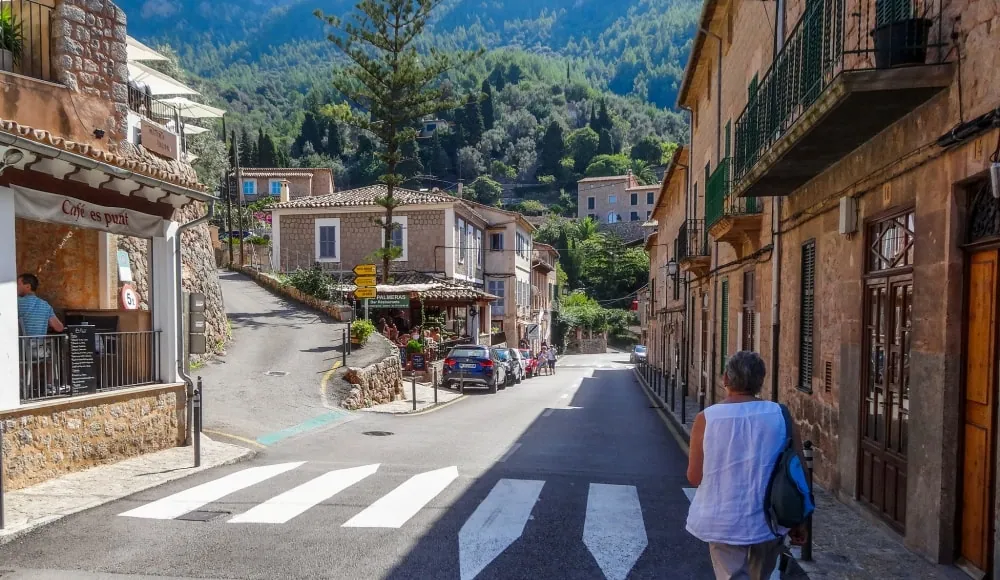
The residential housing stock consists predominantly of traditional ochre-toned stone village houses (cases de poble) featuring green timber shutters along narrow cobbled streets, terraced olive groves retained by dry-stone walls (marges), and historic country estates (fincas and possessions). Building activity in the municipality is strictly regulated. Following the inscription of the UNESCO Cultural Landscape of the Serra de Tramuntana in June 2011, regional and municipal planning authorities enforced tight restrictions on new construction on rural land (suelo rústico). These planning constraints maintain the village’s architectural boundaries while protecting long-term real estate values for existing property owners.
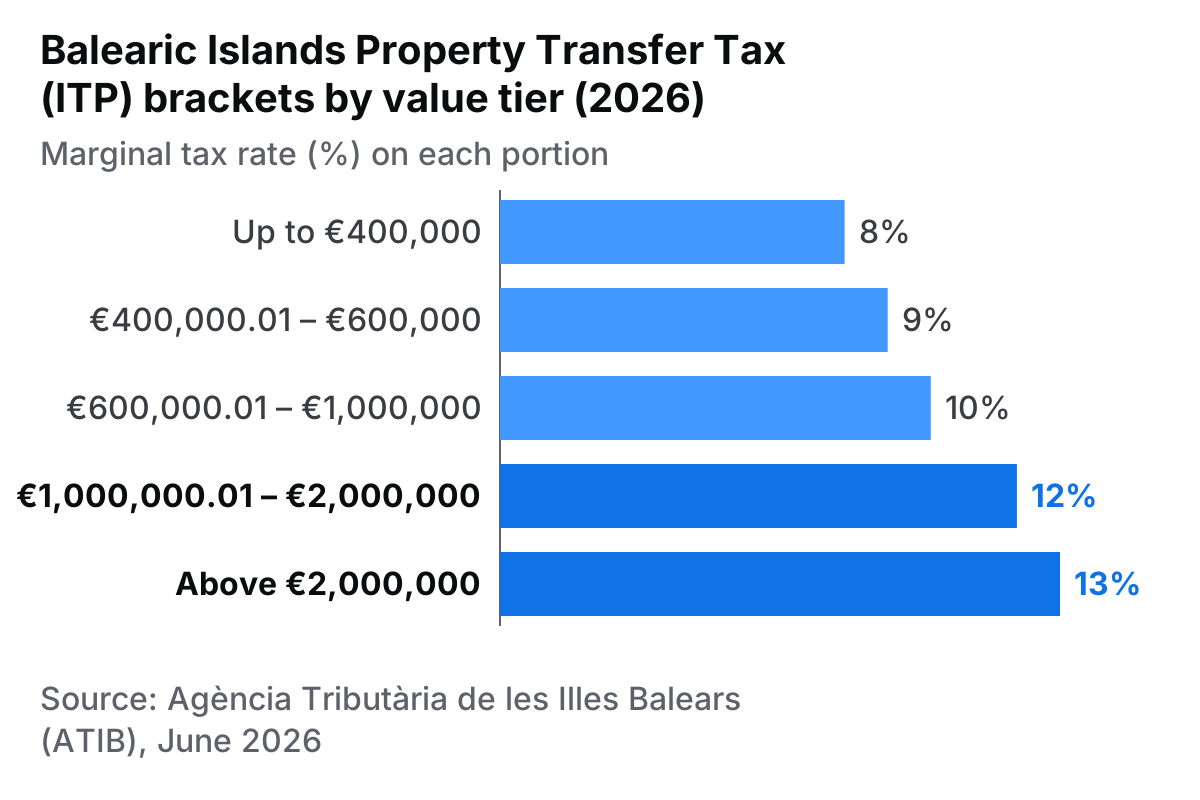
Buyers acquiring resale property in Deià are subject to the progressive Balearic Property Transfer Tax (ITP), calculated according to brackets published by the Agència Tributària de les Illes Balears (ATIB) ITP tax brackets. The tax starts at 8% for the first €400,000 of property value, stepping up to 9% for values between €400,000.01 and €600,000, 10% between €600,000.01 and €1,000,000, 12% between €1,000,000.01 and €2,000,000, and 13% on any portion exceeding €2,000,000. Understanding these purchase costs is essential when assessing investment targets in the upper luxury tier.
From Robert Graves to Son Marroig: cultural heritage and village life
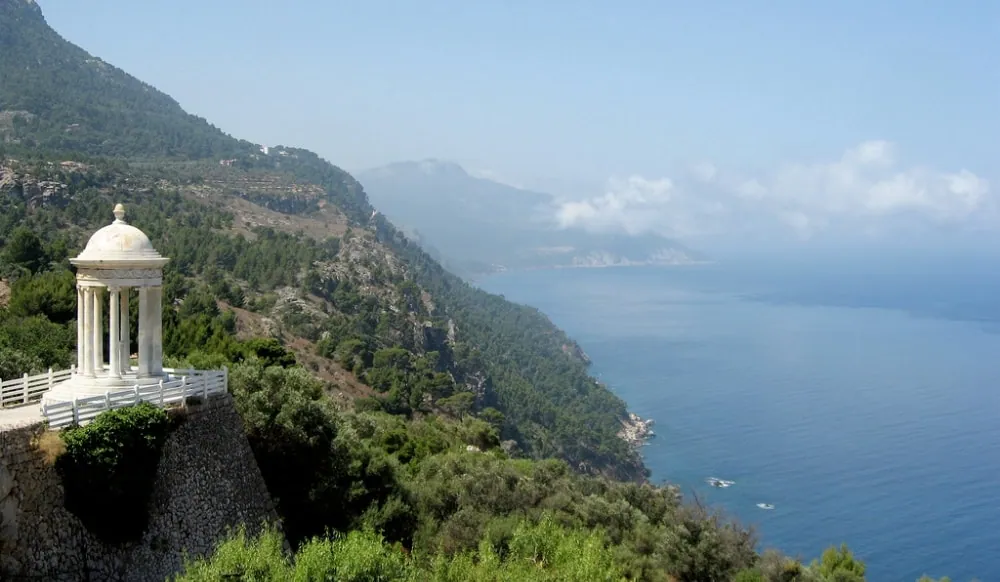
Deià’s reputation as a cultural haven took root in the 19th century when Archduke Ludwig Salvator of Austria acquired the vast coastal estates of Son Marroig and Miramar. In 1929, British poet and novelist Robert Graves moved to the village with Laura Riding and constructed Ca n’Alluny. The property was restored and opened to the public in July 2006 as La Casa de Robert Graves museum in Deià, preserving the literary history that established the village on the international map.
According to the Ajuntament de Deià heritage directory, the village contains several key cultural sites. These include the Parish Church of Sant Joan Baptista and its hilltop cemetery, the adjacent Museu Parroquial (Parish Museum), the Museu Arqueològic de Deià (founded in 1962 by American archaeologist William Waldren in a restored mill at Es Clot), and the Museu Norman Yanikun on Carrer Sa Font Fresca. Annual cultural events include the Deià International Music Festival, hosted at the Son Marroig estate since 1978, and the traditional patron saint festival of Sant Joan Baptista celebrated each June.
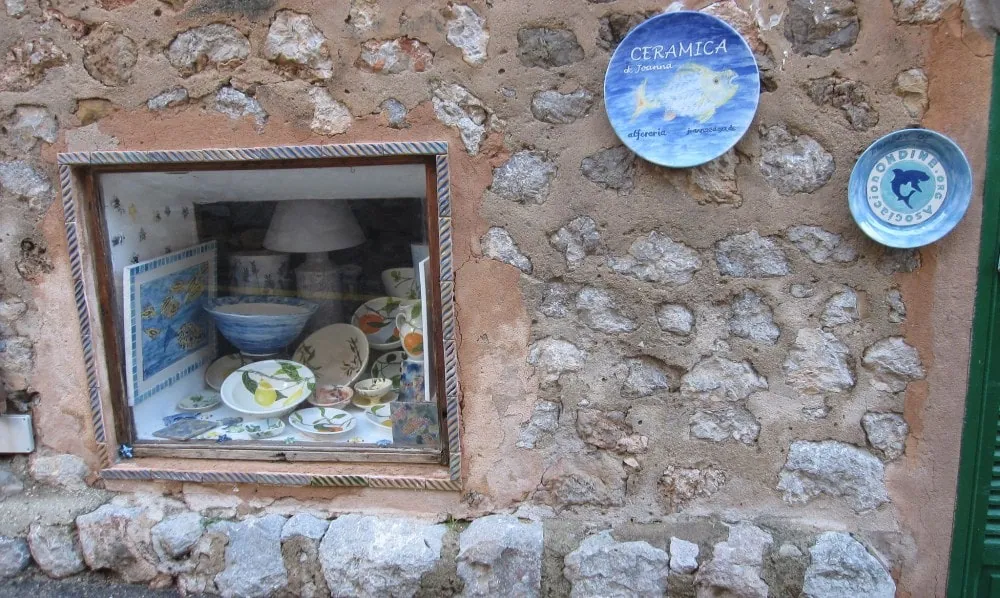
Cala Deià, hiking trails and coastal lifestyle in the Serra de Tramuntana
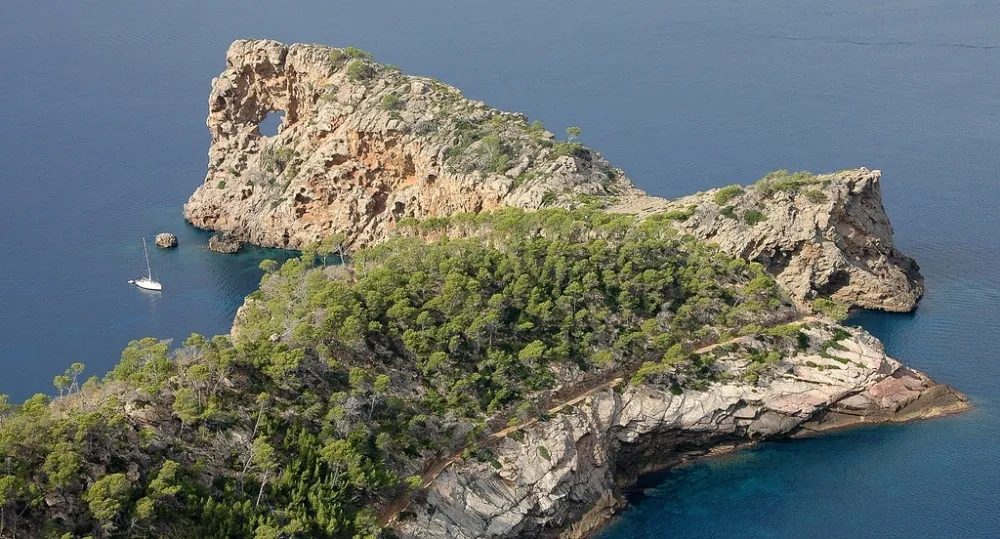
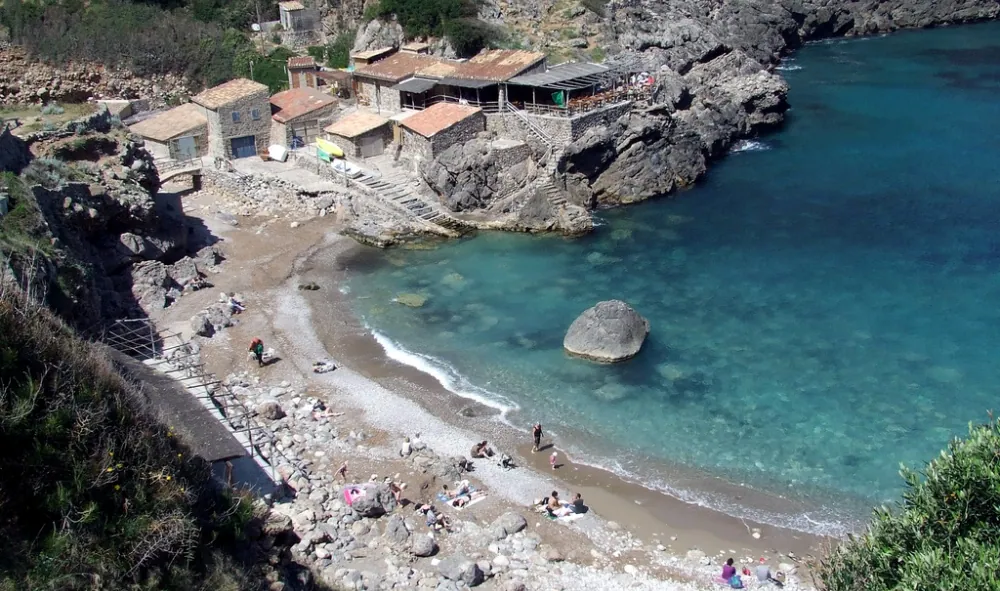
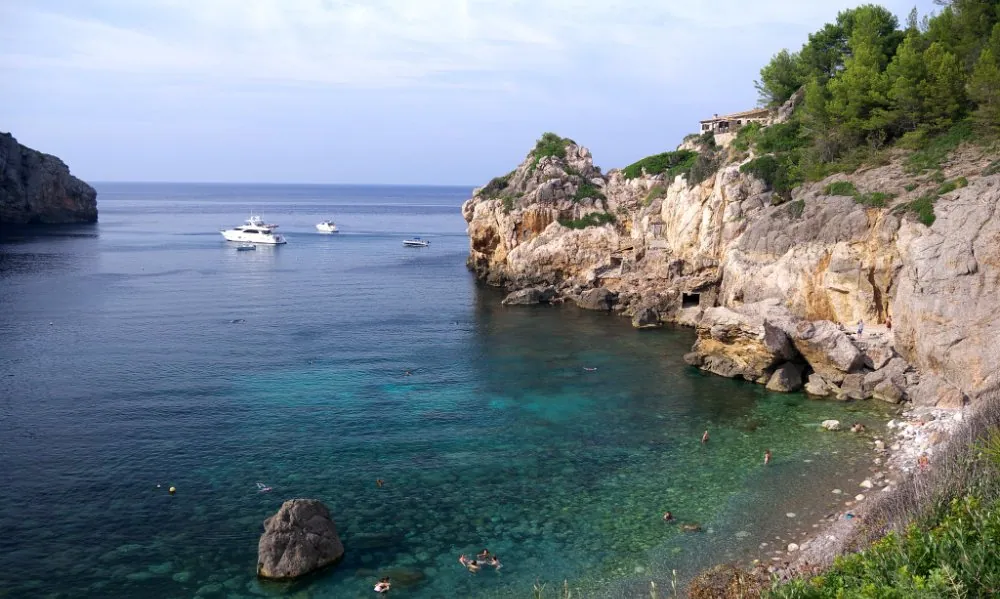
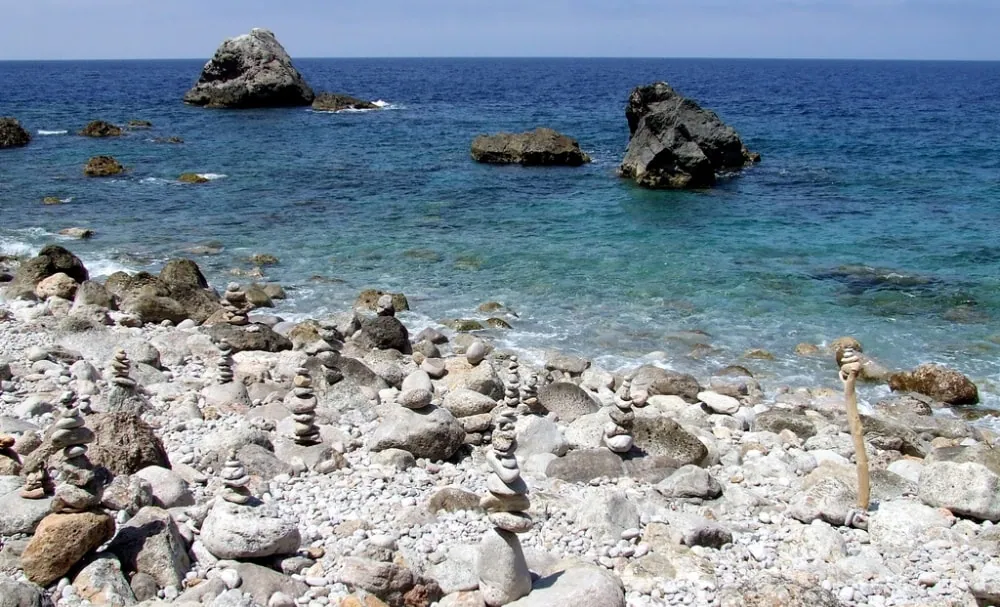
Residents in Deià have direct access to outdoor recreation across the Serra de Tramuntana. The GR-221 dry-stone route connects the village on foot to Valldemossa, Llucalcari, Miramar, and Port de Sóller, while the coastal trail to the natural rock arch of Sa Foradada provides dramatic sea views. Coastal access centres on two main coves: Cala Deià, a shingle cove situated a 30-minute walk from the village centre through olive groves, and Platja de Llucalcari (Es Canyeret), located less than 3 kilometres away and known for its natural freshwater spring.
Dining at Cala Deià features two established coastal venues: Ca’s Patró March, positioned on the cliffside rocks above the water, and Can Lluc, located near the beach. Within the village, hospitality choices range from five-star accommodations to local establishments. Belmond La Residencia features fine dining at El Olivo—set within a 16th-century olive press—a spa, and two GreenSet Cushion tennis courts offering LUX Tennis coaching. Following the closure of the long-standing Michelin-starred restaurant Es Racó d’es Teix in July 2023, the space reopened as Ca ses Sauerschell’s, operated by the daughters of chef Josef Sauerschell. Everyday amenities include local grocers such as Es Forn, pharmacy services, Café Sa Fonda, and the intercity TIB bus line 203 timetable, which links Deià directly to Palma’s Estació Intermodal, Valldemossa, and Sóller. By car, Palma city centre and Palma de Mallorca Airport (PMI) are approximately 36 kilometres away, a drive of 35 to 45 minutes.
For investors evaluating property ownership in the region, reviewing our broader guide to buying property in Spain and legal considerations regarding owning a rental property in Mallorca and Ibiza offers valuable context.
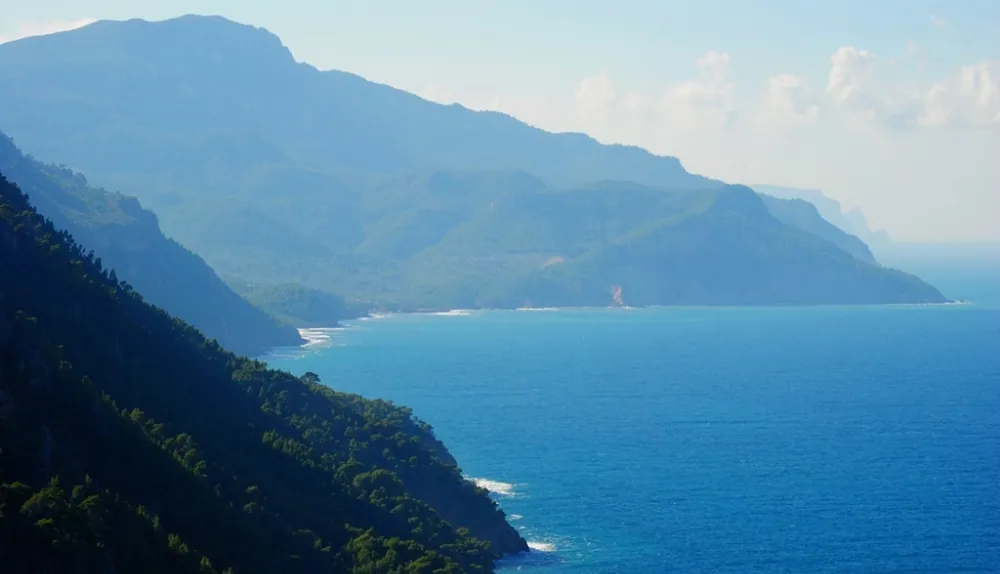
How to analyse the Deià property market with CASAFARI
Evaluating real estate in a micro-market of 753 residents presents distinct operational challenges. High-value transactions in Deià often occur discreetly off-market, and asking prices vary considerably based on sea orientation, vehicle access, and architectural condition. Professional buyers, advisors, and estate agencies require structured market intelligence to establish fair market value and identify genuine opportunities.
Using CASAFARI Area Insights, property professionals can track real-time listing movements, historical asking price adjustments, and stock availability across Deià and neighbouring Tramuntana municipalities. Combined with our property valuation and market study tool and CASAFARI Property Sourcing, investors can aggregate scattered market data into accurate comparative analyses.
To examine current inventory and live pricing trends across Mallorca’s luxury markets, sign in to the CASAFARI platform to access our property database.
Frequently asked questions
Can you get a tourist rental licence (ETV) for a property in Deià?
Under Decree-Law 4/2025 and regional regulations managed by the Consell de Mallorca tourist accommodation board (CBAT), new holiday rental licences (ETV) are prohibited for multi-family apartment buildings. For single-family detached or semi-detached homes, CBAT operates a strict 1:1 zero-growth exchange pool, which reopened in March 2026 and allocated 1,069 places in June 2026. As a result, buyers seeking short-term rental capability generally focus on acquiring properties that already hold a valid, existing ETV licence.
What is the property transfer tax (ITP) when buying a home in Deià?
When purchasing a resale residential property in Deià, buyers pay the progressive Balearic Property Transfer Tax (ITP) administered by ATIB. The tax rate is 8% on the first €400,000, 9% for the portion between €400,000.01 and €600,000, 10% between €600,000.01 and €1,000,000, 12% between €1,000,000.01 and €2,000,000, and 13% on any value exceeding €2,000,000. New-build properties are instead subject to 10% VAT (IVA) plus 1.5% Stamp Duty (AJD).
How does UNESCO World Heritage status affect renovating a house in Deià?
Because Deià sits within the UNESCO World Heritage Cultural Landscape of the Serra de Tramuntana, municipal planning codes and Consell de Mallorca heritage rules strictly protect the rural landscape. New builds on rural land (suelo rústico) are severely limited, while renovations of existing fincas and village houses must preserve traditional architectural features such as stone façades, Majorcan green shutters, Arabic roof tiles, and dry-stone terrace walls (marges). All major structural work requires prior heritage and municipal permits.
How far is Deià from Palma de Mallorca and the airport?
Deià is located approximately 36 kilometres from Palma de Mallorca Airport (PMI) and historic central Palma. The drive takes between 35 and 45 minutes via the Ma-1110 and Ma-10 mountain roads. For public transportation, TIB intercity bus line 203 provides direct service connecting Deià with Palma’s Estació Intermodal, Valldemossa, Sóller, and Port de Sóller.